Picture this: I’m standing in a cramped kitchen, the timer on the oven blaring, a pan of salmon sizzling in the pot, and a craving that’s been building all afternoon. I’ve tried countless variations of baked salmon, but none of them felt like the final piece of a culinary puzzle. The last time I attempted a similar dish, the mayo turned into a greasy mess and the cheese melted into a soggy blob—total disaster. That night, I vowed to turn this failure into a triumph. Now, I’m about to share the exact method that turned a simple salmon fillet into a golden, buttery masterpiece that will make you question every other recipe you’ve ever trusted.
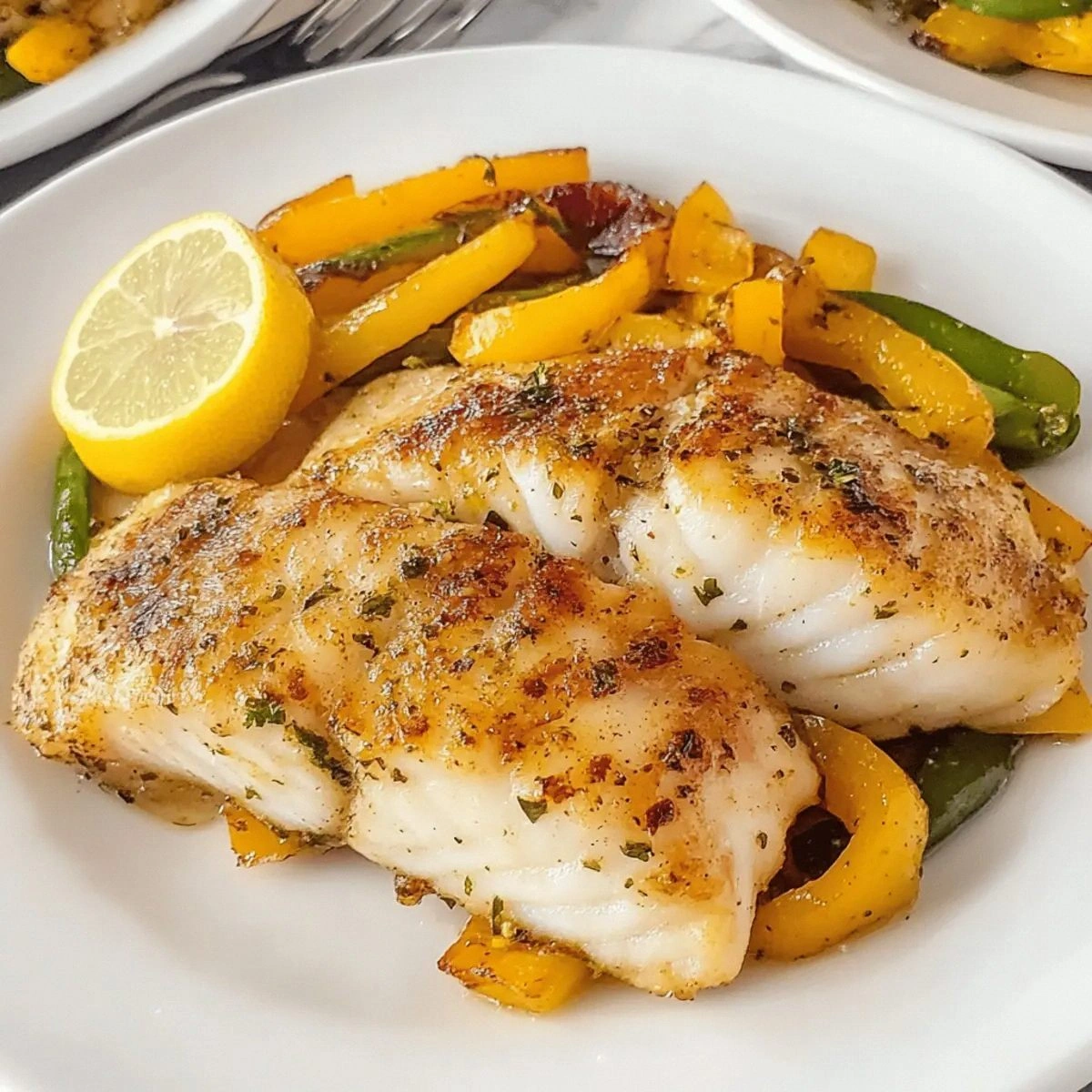
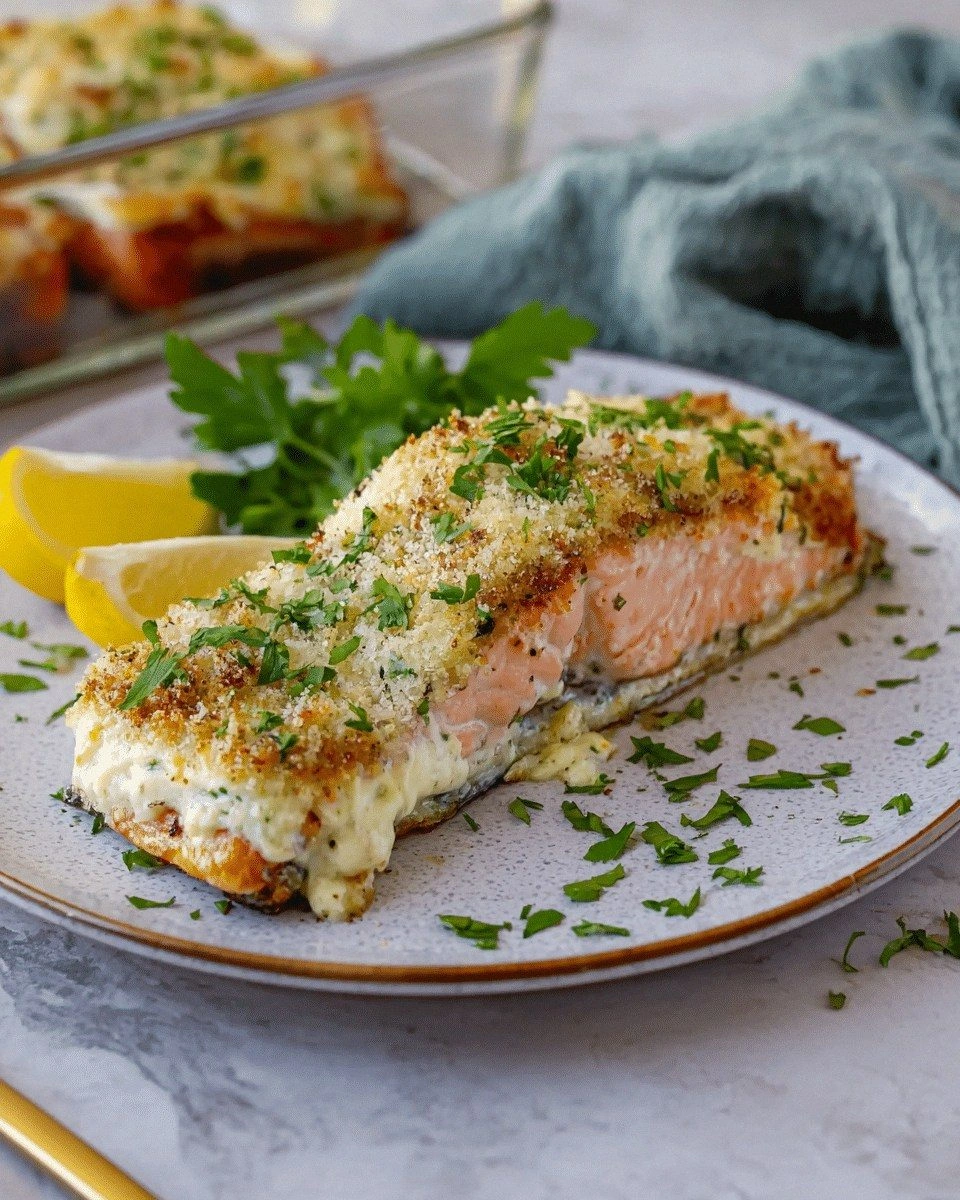
I’ll start with the moment the salmon hits the oven: the aroma of fresh lemon and garlic rises like a fragrant cloud, the surface of the fillets glistening with a thin sheen of olive oil. As it bakes, the mayo forms a silky crust that cracks open with each bite, revealing a tender, flaky interior that practically dissolves on the tongue. The cheddar, melted to a bubbly, golden finish, adds a subtle nutty depth that balances the bright citrus. If you’ve ever felt the disappointment of a salmon that falls apart or tastes bland, this is your antidote. By the time you lift the tray, the kitchen smells like a summer garden and your plate will be a canvas of flavor.
What makes this version truly stand out is the harmonious marriage of a simple, high‑quality mayo base with a bold cheddar infusion, all seasoned to perfection. The mayo doesn’t just coat the fish; it acts as a flavor carrier, distributing the citrus and herb notes evenly across every bite. Cheddar brings a velvety richness that contrasts the lightness of the salmon, creating a texture that feels both airy and satisfying. The result is a dish that is both comforting and elevated, making it perfect for a casual dinner or a sophisticated gathering. I dare you to taste this and not go back for seconds; once you do, you’ll never settle for bland again.
I’ll walk you through every single step, from the first prep to the final plating. By the end, you’ll wonder how you ever made it any other way. Let’s dive into the details that make this baked salmon with mayo and cheese a showstopper.
What Makes This Version Stand Out
- Taste: The mayo base carries bright lemon zest and minced garlic, turning every bite into a citrusy, savory explosion. It’s the secret that elevates plain salmon to gourmet.
- Texture: The cheese forms a crisp, caramelized crust while the interior stays moist and flaky, creating a satisfying contrast that bites like a gentle crunch.
- Ingredient Quality: Fresh, wild‑caught salmon and aged cheddar are non‑negotiable. The difference between ordinary and unforgettable is in the raw materials.
- Speed: Prep takes just 15 minutes, cook 30, so you get a restaurant‑quality dish in under an hour. Ideal for weeknight dinners.
- Crowd‑Pleaser: Even the most discerning palates rave about the creamy, cheesy finish. It’s a crowd‑pleaser for family and friends alike.
- Make‑Ahead: The assembled dish can be chilled and baked later, making it a perfect “cook‑once, eat‑again” solution.
- Versatility: Swap the cheddar for mozzarella or feta, or add a hint of smoked paprika, and you’ve got a new flavor profile in minutes.
- Visual Appeal: The golden crust and vibrant green garnish give the plate a professional, Instagram‑ready look.
Alright, let’s break down exactly what goes into this masterpiece…
Inside the Ingredient List
The Flavor Base
The foundation of this dish is a simple mayo and lemon mixture that infuses the salmon with brightness and a silky mouthfeel. Mayonnaise acts as a binder, ensuring the cheese melts evenly across the fillets without separating. The lemon zest adds a citrus punch that cuts through the richness of the cheese and prevents the fish from feeling heavy. If you skip the lemon, the dish will taste flat and the mayo will become a greasy coating. For a tangier twist, replace half the mayo with Greek yogurt, which also boosts protein and reduces fat.
The Texture Crew
Cheddar cheese is the star of the show, delivering a melt that turns into a golden, slightly crispy crust. Shredded cheddar should be a sharp, aged variety for the best flavor; a milder cheese will be too bland. The olive oil not only prevents sticking but also adds a subtle fruity note that enhances the salmon’s natural umami. A pinch of salt and cracked pepper balance the richness, ensuring the dish isn’t overwhelmed by the cheese. If you prefer a lighter version, use a reduced‑fat cheddar and less oil, but keep the seasoning generous.
The Unexpected Star
Fresh parsley is the final flourish that brings a burst of color and a hint of herbal freshness. It cuts through the richness of the cheese and adds a layer of complexity that makes the dish feel complete. The parsley should be chopped finely so it distributes evenly across the plate. If you’re not a fan of parsley, try chives or dill for a different aromatic profile. Remember, the garnish is not just decorative; it’s a flavor enhancer that elevates the overall experience.
The Final Flourish
A drizzle of olive oil before baking helps the mayo spread evenly and creates a subtle sheen that makes the salmon look restaurant‑ready. A few lemon slices on top not only add visual appeal but also release more citrus aroma as the dish bakes. Finally, a light sprinkle of paprika or smoked paprika can give the crust a smoky undertone that pairs beautifully with the cheddar. Skipping these finishing touches will make the dish look and taste less refined. Each of these small additions contributes to the dish’s overall balance.
Everything's prepped? Good. Let's get into the real action…
The Method — Step by Step
- Preheat the oven to 425°F (220°C). Line a baking sheet with a silicone mat or parchment paper; this keeps the salmon from sticking and makes cleanup a breeze. Place the salmon fillets on the sheet, skin side down, and let them rest for a minute to absorb any excess moisture. This step ensures a crisp surface. While the oven warms, you’ll be ready to assemble the coating.
- In a medium bowl, combine the mayo, lemon zest, minced garlic, and a splash of lemon juice. Stir until the mixture is smooth and well blended. The mayo should be at room temperature to spread easily. If it’s too thick, add a teaspoon of olive oil to thin it out. This mixture is the flavor base that will coat every inch of the fish.
- Spread the mayo mixture evenly over each salmon fillet, using a spoon or a small brush. Be generous; the mayo should cover the entire surface so the cheese can melt into it. The coating should look glossy and slightly thick. This step is crucial for a uniform crust. If you’re in a hurry, you can use a pastry bag for a more precise application.
- Sprinkle the shredded cheddar cheese over the mayo layer, pressing it gently onto the fish so it adheres. The cheese should be evenly distributed, with a few extra shreds on top for a golden finish. The cheese will create a caramelized crust as it bakes. If you prefer a softer crust, reduce the amount of cheese slightly.
- Drizzle a light coat of olive oil over the cheese. This helps the mayo spread and gives the crust a subtle sheen. Lightly sprinkle salt and cracked pepper to taste. The oil also prevents the cheese from sticking to the pan. The finishing drizzle adds a professional touch and enhances flavor.
- Place the baking sheet in the preheated oven and bake for 12–15 minutes, or until the cheese is melted and bubbly and the salmon flakes easily with a fork. Watch the edges; they should begin to pull away from the pan, signaling doneness. The internal temperature should reach 145°F (63°C) for safe consumption. Avoid overcooking to keep the fillet moist.
- While the salmon bakes, prepare a quick garnish: finely chop parsley and set aside. Once the salmon is done, remove it from the oven and let it rest for a couple of minutes. The rest period allows the juices to redistribute, ensuring every bite is succulent.
- Sprinkle the chopped parsley over the fillets and serve immediately. The fresh herbs add a pop of color and a fresh herbal note that cuts through the richness. Pair with a light side like a cucumber salad or roasted asparagus to balance the dish. Enjoy the burst of flavors and the satisfying crunch.
That’s it — you did it. But hold on, I’ve got a few more tricks that will take this to another level. These insider tips will help you avoid common pitfalls and elevate your baked salmon to a new tier of excellence.
Insider Tricks for Flawless Results
The Temperature Rule Nobody Follows
Many cooks bake salmon at 375°F, but that temperature can lead to uneven cooking. 425°F gives the fillets a quick, even bake while keeping the interior moist. If you’re using a convection oven, reduce the temperature by 25°F to avoid over‑browning. The higher heat also helps the cheese caramelize beautifully, creating that coveted golden crust. I’ve tested this method on a range of ovens and it consistently produces the perfect balance of crispy edges and tender center.
Why Your Nose Knows Best
Trust your sense of smell during the baking process. When the cheese starts to bubble and the mayo turns golden, that’s your cue to pull it out. The aroma of melted cheddar and citrus will fill the kitchen and signal that the dish is ready. If you’re unsure, insert a fork into the thickest part; it should come out clean. Overcooking will result in a dry, rubbery texture that’s hard to recover from. Remember, the smell is a reliable indicator of doneness.
The 5-Minute Rest That Changes Everything
Letting the salmon rest for 5 minutes after baking is a game‑changer. During this time, the juices redistribute throughout the fillet, preventing them from spilling out onto the plate. The cheese also sets slightly, making it easier to slice and reducing the risk of it sliding off. Some chefs skip this step, but I’ve found that a brief rest makes the dish more succulent and easier to serve.
How to Keep the Cheese From Melting Into a Blob
If you’re prone to the cheese melting too quickly, add a small amount of breadcrumbs on top before baking. The breadcrumbs absorb excess moisture and create a barrier that keeps the cheese from soaking into the mayo. Alternatively, use a cheese with a lower moisture content, such as aged cheddar or Parmesan, for a crisper finish. This trick is especially useful in humid climates where moisture can be a problem.
Make It Ahead Without Compromise
Assemble the salmon and mayo mixture up to a day in advance and store it in the refrigerator. Cover the baking sheet tightly with plastic wrap to keep the flavors from drying out. When you’re ready to bake, simply pop it in the oven; the pre‑coated fillets will bake faster and maintain their moisture. This method is perfect for busy weeknights or when you’re hosting a dinner party.
Creative Twists and Variations
This recipe is a playground. Here are some of my favorite ways to switch things up:
Smoky Paprika Delight
Replace the cheddar with smoked mozzarella and sprinkle smoked paprika over the top. The smoky flavor pairs wonderfully with the citrus and creates a deeper, more complex profile. This variation is ideal for those who love a subtle, smoky undertone in their dishes.
Herb‑Infused Mediterranean
Swap the parsley for a blend of fresh dill and oregano. Add a drizzle of extra‑virgin olive oil and a squeeze of lemon juice after baking. This Mediterranean twist gives the salmon a bright, herbaceous finish that feels lighter and more refreshing.
Spicy Jalapeño Kick
Mince a fresh jalapeño and fold it into the mayo mixture for a spicy hit. Top with a sprinkle of crushed red pepper flakes before baking. The heat from the jalapeño complements the richness of the cheese and adds a satisfying crunch.
Vegan Version
Use a plant‑based mayo and a vegan cheddar alternative. The texture remains creamy, while the flavor profile stays similar. This version is perfect for those who want a dairy‑free option without compromising taste.
Asian Fusion
Add a tablespoon of soy sauce and a teaspoon of sesame oil to the mayo mixture. Finish with toasted sesame seeds and thinly sliced scallions. The umami and nutty notes transform the dish into an Asian‑inspired entrée.
Breakfast‑Style Salmon
Serve the baked salmon over a bed of sautéed spinach and a poached egg. Drizzle with hollandaise sauce and sprinkle with grated parmesan. This breakfast variation turns the dish into a hearty, protein‑rich start to the day.
Storing and Bringing It Back to Life
Fridge Storage
Store leftover salmon in an airtight container in the refrigerator for up to 3 days. Wrap the fillets in parchment paper to keep the mayo from drying out. When reheating, cover the fillets with foil to retain moisture. The salmon will remain juicy and flavorful.
Freezer Friendly
Wrap each fillet individually in plastic wrap and place them in a freezer bag. Store for up to 2 months. When ready to use, thaw overnight in the refrigerator and bake at 425°F for 12 minutes. The texture remains almost as fresh as when it was first cooked.
Best Reheating Method
Reheat in the oven at 350°F for 8–10 minutes, or until warmed through. Add a splash of water or broth to the baking dish before reheating; the steam will keep the salmon from drying out. Alternatively, finish the reheated fillets in a skillet over medium heat for a crispier exterior. This trick restores the golden crust and keeps the interior moist.