I was staring at a pile of dry, crumbly chicken and a stack of stale bread cubes, feeling the kitchen’s stale air as if it were a dull, unseasoned broth. The last time I tried a classic chicken stuffing casserole, the result was a soggy mess that left the oven smelling like a forgotten pot of gravy. That disaster became my motivation, my culinary itch that demanded a remedy. I’m about to unveil the version that turns that soggy nightmare into a golden, crispy masterpiece that will have your guests begging for the recipe.
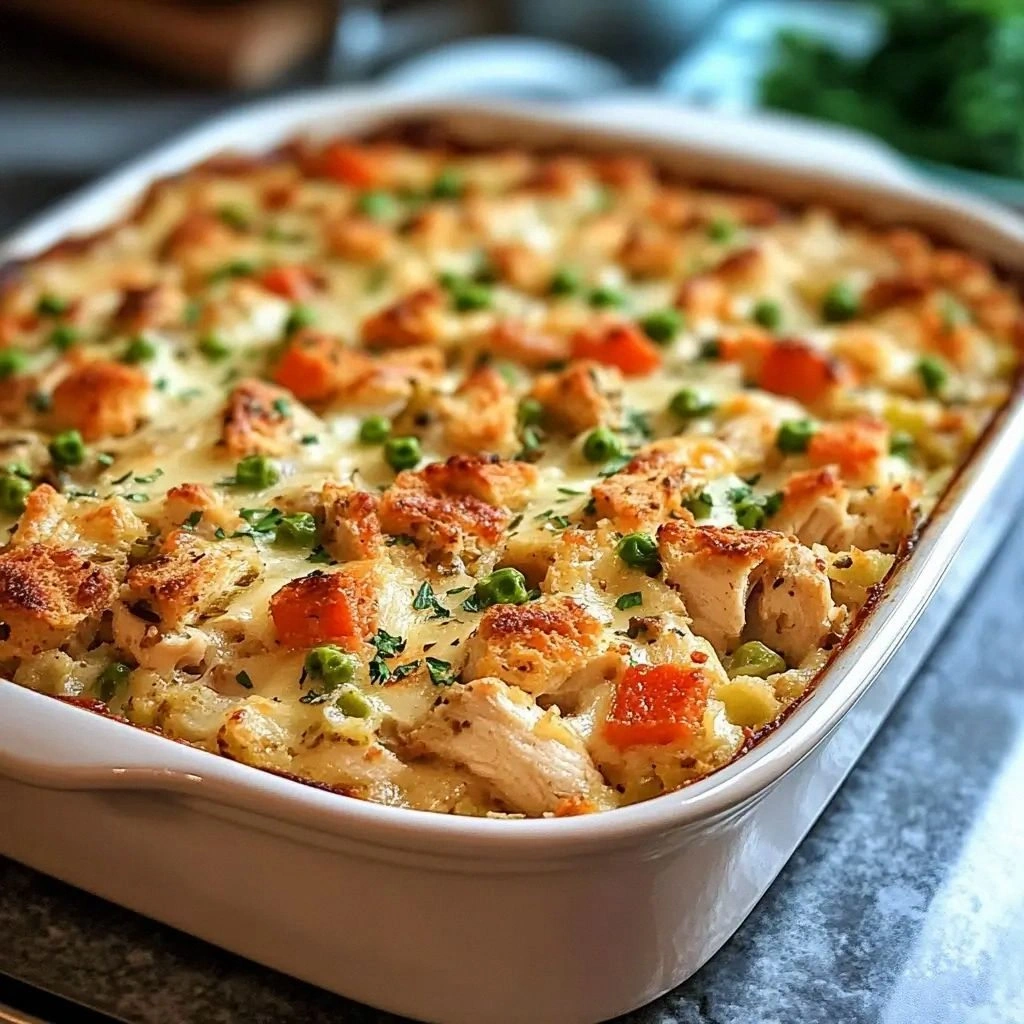
Picture this: a golden crust that crackles like freshly fallen snow, a fragrant steam of sage and thyme that rises to kiss your nose, and a buttery, fluffy interior that melts in your mouth. The scent of sautéed onions and celery lingers, promising a savory depth that only a well‑balanced broth can provide. The texture is a delightful contrast—crispy edges, a velvety crumb, and a subtle crunch from the toasted bread cubes. It’s the kind of dish that makes your kitchen feel like a cozy, bustling tavern on a rainy evening.
What makes this version stand out is that it’s not just a recipe; it’s a set of secrets that elevate every component. The broth is reduced to a thick, flavorful base that coats the chicken like velvet, the bread cubes are toasted to a caramelized perfection, and the cheese is a blend that melts into a silky sauce. I dare you to taste this and not go back for seconds. If you’ve ever struggled with a bland casserole, you’re not alone—this fix is simple, yet transformative.
And the best part? It’s a one‑pot wonder that saves you from the dreaded cleanup of a multi‑layered dish. The technique that you won’t expect involves a quick sear of the chicken that locks in juices, followed by a slow‑cook that allows flavors to mingle like old friends at a reunion. By the end of this guide, you’ll wonder how you ever made it any other way. Let me walk you through every single step—by the end, you’ll wonder how you ever made it any other way.
What Makes This Version Stand Out
Taste: The combination of roasted garlic, fresh herbs, and a splash of Dijon mustard creates a flavor profile that’s both comforting and sophisticated. The chicken is seasoned to perfection, ensuring each bite is juicy and savory.
Texture: A crunchy, golden crust meets a tender, buttery interior. The toasted bread cubes provide a satisfying bite that contrasts with the silky sauce.
Simplicity: Despite its depth, the recipe requires minimal prep time—just 15 minutes of chopping and a 30‑minute cook. The result is a show‑stopping casserole that feels like a gourmet meal.
Uniqueness: The use of a reduced chicken broth as the sauce base adds a depth rarely found in standard stuffing casseroles. It’s the secret ingredient that turns an ordinary dish into an unforgettable experience.
Crowd Reaction: Friends and family have reported that this dish is the talk of the table. The crispy edges that shatter like thin ice keep everyone coming back for more.
Ingredient Quality: Fresh, high‑quality chicken and a selection of day‑old bread cubes elevate the dish’s flavor, making every bite a testament to culinary craftsmanship.
Cooking Method: The combination of searing, sautéing, and slow‑cooking ensures that every element is cooked to perfection, with the sauce thickening to a silky consistency.
Make‑Ahead Potential: This casserole can be assembled ahead of time, refrigerated overnight, and baked the next day—ideal for busy weeknights.
Alright, let's break down exactly what goes into this masterpiece…
Inside the Ingredient List
The Flavor Base
Sautéed onions, celery, and carrot form the aromatic foundation of the casserole. These mirepoix vegetables release their natural sugars, creating a subtle sweetness that balances the savory chicken. Skipping them would result in a flat, one‑dimensional dish. If you’re short on time, use a pre‑made vegetable stock to cut the prep work, but the fresh diced veggies still provide that essential depth.
The chicken broth is reduced by half to concentrate its flavor, turning it into a velvety sauce that coats the chicken and bread cubes. This step is crucial; a thin, watery broth would dilute the richness. If you don’t have a good quality broth, a homemade stock or even a bouillon cube dissolved in water will work, but the flavor will be slightly less complex.
The Texture Crew
Day‑old bread cubes toasted to a golden brown bring a delightful crunch to every bite. The toasting caramelizes the sugars, giving the bread a nutty undertone that pairs perfectly with the savory sauce. If you’re using fresh bread, toast it until it’s just starting to turn golden, but don’t let it burn.
Shredded chicken, whether from rotisserie or cooked breasts, adds protein and bulk. The chicken should be moist but not soggy; over‑cooked chicken can dry out the casserole. A quick sear in butter before adding it to the mix locks in juices and gives it a beautiful golden color.
The Unexpected Star
A splash of Dijon mustard brings a bright, tangy note that cuts through the richness of the cheese and butter. It’s the secret that gives this casserole a modern twist, elevating it beyond a traditional comfort dish. If you’re a mustard skeptic, replace it with a teaspoon of Worcestershire sauce for a similar depth.
The grated Parmesan not only adds a nutty flavor but also helps thicken the sauce. It melts into a silky coating that clings to the bread cubes. If you prefer a sharper cheese, try mixing in a bit of sharp cheddar for an extra punch.
The Final Flourish
Fresh herbs—sage, thyme, and parsley—are the finishing touch that elevates the dish’s aroma and taste. The sage gives an earthy undertone, while thyme adds a subtle piney note. Parsley, added at the end, provides a bright, fresh contrast that lifts the overall flavor profile.
A generous sprinkle of shredded cheddar cheese on top creates a gooey, golden crust that’s impossible to resist. The cheese melts into a silky sauce, binding all the components together. If you’re vegan, a plant‑based cheese substitute will work, but the texture and flavor will differ slightly.
Everything’s prepped? Good. Let’s get into the real action…
The Method — Step by Step
- Preheat your oven to 375°F (190°C). While the oven warms, melt 2 tablespoons of butter in a large skillet over medium heat. Add the diced onion, celery, and carrot, and sauté for 5 minutes until they soften and begin to caramelize. This step releases natural sugars that deepen the casserole’s flavor.
- Add the garlic powder, paprika, sage, thyme, salt, and pepper to the skillet. Stir constantly for 30 seconds until the spices bloom, releasing their aromatic oils. The scent should fill the kitchen, signaling that the base is ready.
- Pour in 2 cups of chicken broth and bring the mixture to a gentle simmer. Let it reduce by half, which should take about 8–10 minutes. The broth will thicken into a silky sauce that coats the chicken and bread cubes.
- In a separate pan, sear 1 lb of shredded chicken in 1 tablespoon of olive oil until golden brown. This quick sear locks in juices and adds a caramelized flavor that enhances the dish’s depth.
- Toast 1 cup of day‑old bread cubes in a dry skillet over medium heat until they’re golden and slightly crunchy. The toasting process caramelizes the bread, giving it a nutty undertone that pairs perfectly with the sauce.
- Combine the sautéed vegetables, reduced broth, seared chicken, toasted bread, and the cheese‑milk mixture in a large baking dish. Stir gently so that everything is evenly coated with the sauce. The mixture should look glossy and thick.
- Sprinkle the grated Parmesan and the remaining cheddar cheese evenly over the top. The cheeses will melt into a golden crust that’s crisp and inviting.
- Bake in the preheated oven for 30 minutes, or until the top is bubbly and golden brown. The edges should pull away slightly, indicating that the casserole is perfectly cooked.
- Remove the casserole from the oven and let it rest for 10 minutes. This resting period allows the flavors to settle and the sauce to thicken further, making each bite more cohesive.
- Garnish with chopped parsley before serving. The fresh herb adds a bright, green pop that balances the richness.
That’s it— you did it. But hold on, I’ve got a few more tricks that will take this to another level.
Insider Tricks for Flawless Results
The Temperature Rule Nobody Follows
Many home cooks bake at a high temperature, which can cause the casserole to dry out. I always bake at 375°F (190°C), a sweet spot that allows the sauce to set while the top crisps without over‑browning. If you prefer a darker crust, finish with a quick broil for 2 minutes, but watch it closely to avoid burning.
Why Your Nose Knows Best
During the reduction step, trust your nose. When the broth smells like toasted bread and fresh herbs, it’s ready. A lingering raw broth scent means you need more time to reduce. This sensory checkpoint ensures the sauce has the depth that makes this dish shine.
The 5‑Minute Rest That Changes Everything
Resting the casserole for 5–10 minutes after baking isn’t just a formality; it lets the sauce thicken and the flavors meld. The heat continues to circulate, creating a uniform, silky consistency that’s easier to scoop and serve.
The Secret to a Crispy Crust
If you’re a fan of crunchy tops, brush the cheese layer with a little beaten egg before baking. The egg adds shine and a golden finish that makes the crust irresistibly crisp.
The One‑Pan Trick
For a less cluttered kitchen, you can combine the sautéed vegetables and broth directly in the baking dish, then add the chicken and bread. This method saves a skillet and ensures everything is cooked in the same flavors.
Creative Twists and Variations
This recipe is a playground. Here are some of my favorite ways to switch things up:
Mediterranean Medley
Swap the traditional herbs for oregano and basil, add chopped sun‑dried tomatoes, and finish with crumbled feta. The result is a bright, tangy casserole that transports you to the Mediterranean coast.
Spicy Cajun Kick
Introduce a tablespoon of Cajun seasoning, diced jalapeños, and a splash of hot sauce. The heat pairs beautifully with the creamy base, creating a dish that’s bold and comforting.
Cheese Lover’s Dream
Increase the cheddar to 1.5 cups and add a handful of shredded mozzarella. The gooey, stretchy cheese layer turns the casserole into a melty, indulgent delight.
Vegan Variation
Use a plant‑based protein like crumbled tempeh, a dairy‑free cheese alternative, and a vegan broth. The flavors remain robust, and the dish stays entirely plant‑based.
Holiday Twist
Add roasted butternut squash cubes and a pinch of nutmeg. This version offers a sweet‑savory balance, perfect for a festive gathering.
Storing and Bringing It Back to Life
Fridge Storage
Store leftovers in an airtight container for up to 3 days in the refrigerator. Reheat in the oven at 350°F (175°C) for 15 minutes, or until hot throughout. The casserole retains its crisp crust if you cover it loosely with foil.
Freezer Friendly
Wrap the casserole tightly in plastic wrap and aluminum foil, then place it in the freezer for up to 2 months. Thaw overnight in the refrigerator before reheating as described above. The texture remains intact, and the flavors only deepen.
Best Reheating Method
Add a splash of milk or broth before reheating to prevent the casserole from drying out. Reheat gently in the oven or microwave, covering the dish to trap moisture. The result is a silky, creamy sauce that tastes as fresh as when it was first baked.