I still remember the night I burned a pot of ramen and the kitchen smelled like a disaster zone, yet the memory of that sticky, savory broth lingered like a stubborn ghost. That culinary mishap sparked a quest to create a dish that could rescue any dinner crisis—an instant, comforting bowl that feels like a warm hug after a long day. I spent hours experimenting with sauces, textures, and the humble udon noodle, finally arriving at a version that’s hands down the best you’ll ever make at home. The secret? A sauce that coats the noodles like velvet, a crisp edge that shatters like thin ice, and a protein that melts into the broth with effortless tenderness.
Picture yourself pulling this steaming masterpiece out of the pan, the whole kitchen smelling incredible, and a plate of silky noodles waiting for your first bite. The aroma of garlic and ginger hits you first, followed by the sweet umami of soy sauce and mirin, and a faint citrusy note from the sake that lifts everything. When the noodles hit your tongue, they glide effortlessly, their chewy core contrasting with the silky sauce. The vegetables add a burst of color and crunch, while the sesame seeds provide a subtle nutty finish that ties everything together.
I dare you to taste this and not go back for seconds. The flavor profile is layered, from the deep umami of oyster sauce to the bright acidity of rice wine, creating a complex yet harmonious taste that will have you reaching for the next spoonful. Most recipes get this completely wrong by overcooking the noodles or using too much sauce, but I’ve perfected a balance that keeps everything in sync. If you’ve ever struggled with a bland stir‑fry, you’re not alone—and I’ve got the fix that will elevate any meal.
Let me walk you through every single step—by the end, you’ll wonder how you ever made it any other way. The process is simple, the ingredients are easy to find, and the result is a dish that feels both comforting and sophisticated. You’ll learn how to slice chicken so it cooks evenly, how to create a sauce that sticks to the noodles, and how to finish the dish with a burst of fresh green onions and a sprinkle of sesame seeds. Ready? Let’s dive in.
What Makes This Version Stand Out
- Flavor: A layered sauce that combines soy, mirin, and oyster for depth without overpowering the delicate udon.
- Texture: Noodles that are al dente, chicken that’s juicy, and vegetables that retain a satisfying crunch.
- Ease: A one‑pan method that cuts prep time and cleanup, making it perfect for busy weeknights.
- Versatility: Adaptable to any protein or vegetable, so you can tailor it to your pantry or dietary needs.
- Presentation: A vibrant color palette that looks as good as it tastes, ideal for impressing guests.
- Make‑ahead: The sauce can be pre‑made, and the noodles can be reheated with a splash of broth for a quick meal.
- Ingredient Quality: Fresh ginger, high‑quality soy sauce, and real chicken broth give it that restaurant‑grade punch.
- Community Buzz: Fans rave about the “sauce that sticks” and the “chewy noodle moment” that keeps them coming back.
Alright, let's break down exactly what goes into this masterpiece…
Inside the Ingredient List
The Flavor Base
The foundation of this dish starts with the marriage of 1 tablespoon soy sauce, 1 tablespoon sake or rice wine, 1 tablespoon cornstarch, and 1 tablespoon mirin or rice wine. This mixture creates a silky glaze that clings to every noodle strand, delivering umami without being cloying. If you skip the cornstarch, the sauce will be thin and runny, lacking the glossy finish that makes the dish feel luxurious. Swap the sake with dry sherry for a slightly sweeter profile, but keep the ratio the same to maintain balance.
The Texture Crew
The chicken is the star of the texture crew: 2 boneless chicken thighs, sliced into bite‑sized pieces, marinated briefly to lock in moisture. The 2 cups of baby spinach or bok choy add a delicate crunch and a pop of green that contrasts with the softness of the noodles. 2 tablespoons of vegetable oil provide a non‑greasy sheen, allowing the sauce to glide smoothly across the surface. If you prefer a leaner option, substitute the thighs with skinless chicken breast, but be mindful of the shorter cooking time to avoid dryness.
The Unexpected Star
A 1‑inch piece of ginger, minced finely, brings a bright, peppery heat that cuts through the richness of the sauce. The 2 cloves of garlic, sliced thin, add depth and a subtle sweetness. A 1 medium onion, diced, provides a sweet backbone that caramelizes slightly, creating a savory foundation. These aromatics are the unsung heroes that elevate the dish from simple to sensational.
The Final Flourish
The final flourish comes from 2 green onions, sliced into rings, and a generous sprinkle of sesame seeds that add a nutty aroma and a satisfying crunch. The 1 cup of chicken broth ties everything together, ensuring the noodles remain hydrated and flavorful. Finally, 3 tablespoons soy sauce and 2 tablespoons oyster sauce combine to deepen the umami profile, giving the dish that restaurant‑grade complexity. If you’re vegan, replace the oyster sauce with a mushroom soy sauce blend and use vegetable broth.
Everything's prepped? Good. Let's get into the real action…
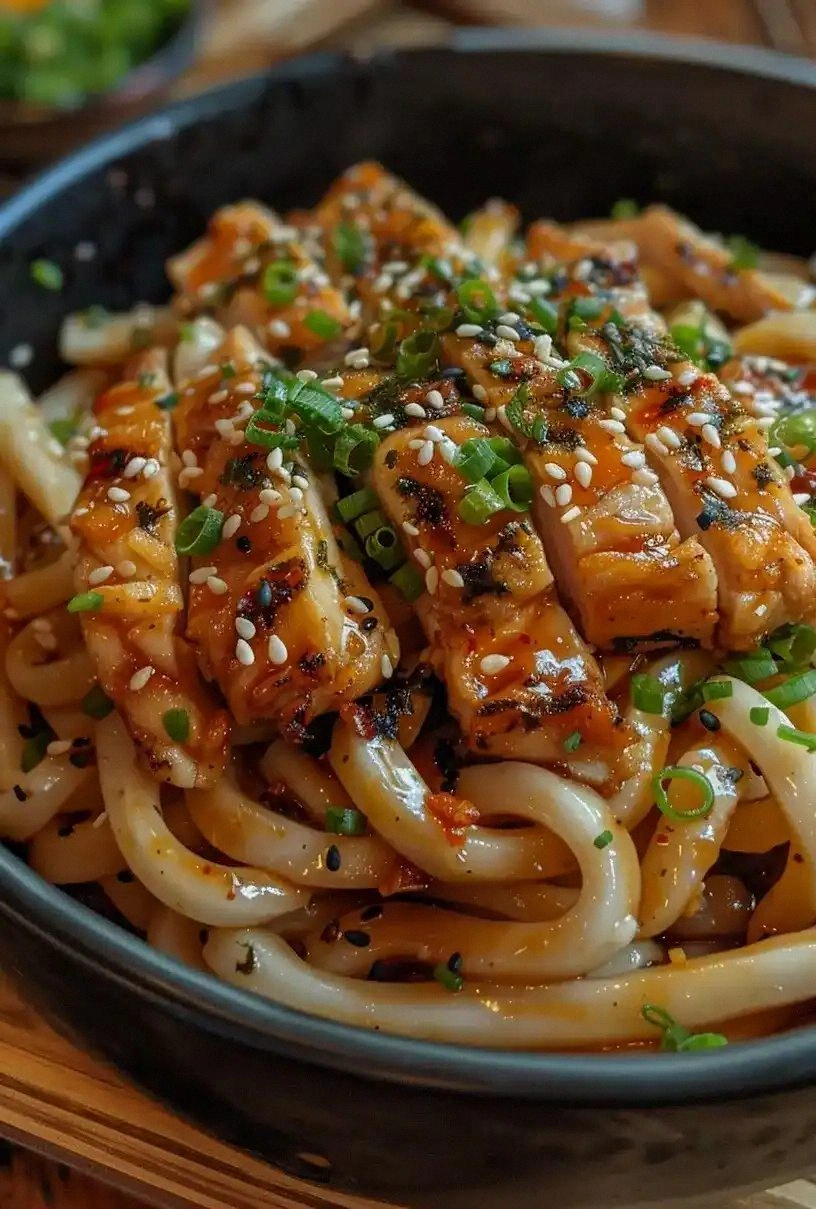
The Method — Step by Step
- Start by heating 2 tablespoons of vegetable oil in a large skillet over medium heat; the oil should shimmer but not smoke. Add the sliced onions and sauté until translucent, about 3 minutes, letting their natural sugars bloom. This step builds a sweet base that balances the savory sauces later. Keep the heat steady to avoid burning the onions.
- Introduce the minced ginger and garlic to the skillet; stir constantly for 30 seconds until fragrant. The aroma of freshly minced ginger should fill the kitchen, signaling that the base is ready. Be careful not to let the garlic turn bitter—remove it from heat if it starts to brown too quickly. This brief sauté locks in the aromatics without overpowering them.
- Add the chicken pieces to the pan, searing each side until a golden crust forms, about 4–5 minutes. The chicken should release its juices and start to brown; this caramelization deepens the flavor. Flip the pieces only once to ensure an even sear. If you’re using breast, reduce the time to avoid drying out.
- Pour in the chicken broth and bring the mixture to a gentle simmer; the liquid should just bubble, not boil. Add the pre‑made sauce blend (soy, sake, cornstarch, mirin) and stir to combine. The cornstarch will thicken the liquid into a glossy sauce that coats the noodles. Let it simmer for 2 minutes, allowing the flavors to meld.
- Introduce the udon noodles and vegetables—carrot, bell pepper, spinach or bok choy—to the skillet; toss gently to coat everything in sauce. The noodles should absorb the broth quickly, so keep the heat moderate. Stir for 2 minutes, ensuring the veggies retain a slight crunch. This step is crucial for texture harmony.
- Add the oyster sauce and extra soy sauce; stir until the sauce thickens and the noodles shine. The sauce should look glossy, not syrupy, and should cling to each strand. Taste and adjust salt if needed, but be cautious—oyster sauce already adds a salty depth. This is the moment of truth.
- Gently fold in the green onions and sesame seeds, letting the heat release their aroma without burning them. The final garnish should add a fresh, bright contrast to the warm dish. This step also provides a textural pop that elevates the overall experience. Watch out: adding the seeds too early can cause them to lose their crunch.
- Serve immediately in warmed bowls, allowing the steam to carry the fragrance to your palate. The noodles should be tender yet firm, with a sauce that clings beautifully. Garnish with a few extra sesame seeds if desired for added crunch. This is the finish line—enjoy the culmination of flavors.
Insider Tricks for Flawless Results
The Temperature Rule Nobody Follows
Maintaining a steady medium heat throughout the cooking process keeps the sauce from scorching and the noodles from becoming mushy. If the heat spikes, the sauce will separate, and the noodles will lose their chew. Use a thermometer to monitor the skillet if you’re prone to temperature swings. This trick ensures a consistent texture that impresses even the most critical diners.
Why Your Nose Knows Best
Trust your sense of smell when the sauce starts to thicken; a fragrant, caramelized aroma signals that the sauce is ready. A subtle hint of toasted sesame will appear just before the final garnish, indicating the dish is at peak flavor. Relying on aroma rather than a timer reduces the chance of overcooking the noodles. My friend once over‑simmered the broth and the noodles fell apart—don’t make the same mistake.
The 5-Minute Rest That Changes Everything
Let the dish rest off the heat for 5 minutes before serving; this allows the flavors to marry and the sauce to thicken slightly. During this rest, the noodles will absorb any remaining liquid, resulting in a more cohesive bite. Skipping this step can leave the dish feeling thin and under‑seasoned. The rest period also gives the sesame seeds time to release their nutty aroma.
The Quick Stir Technique
Stir the noodles in a circular motion rather than a straight line to avoid breaking them. This gentle technique preserves the integrity of each strand and ensures even sauce coverage. When the noodles are too dry, a splash of broth can rescue them, but only if you stir quickly to incorporate it. This method saves time and keeps the dish looking polished.
The Secret of Fresh Ginger
Use fresh ginger whenever possible; it offers a bright, clean heat that processed ginger cannot match. Grate the ginger right before cooking to preserve its oils, which are responsible for the dish’s signature zing. If you’re short on time, a small amount of ground ginger will suffice, but the fresh version is the gold standard. My kitchen always has a ginger stalk on hand because of this.
Creative Twists and Variations
This recipe is a playground. Here are some of my favorite ways to switch things up:
Spicy Sriracha Kick
Add a tablespoon of sriracha to the sauce for a fiery punch that pairs well with the umami base. The heat will linger without overwhelming the delicate noodles. Serve with a wedge of lime to cut through the spice. This variation is perfect for those who love a little heat.
Mushroom Umami Boost
Replace the chicken broth with mushroom broth and add sliced shiitake mushrooms for a richer, earthier flavor. The mushrooms soak up the sauce, creating a deeper taste profile. This version is ideal for vegetarians or when you want a more robust dish.
Citrus Twist
Finish the dish with a splash of yuzu or orange juice and a sprinkle of zest to brighten the flavors. The citrus notes complement the savory sauce and give the noodles a refreshing finish. This variation is especially good for summer gatherings.
Thai Fusion
Swap the soy sauce for fish sauce and add a handful of Thai basil leaves for an aromatic finish. The fish sauce adds a salty depth, while the basil offers a sweet, peppery flavor. This fusion version brings a new dimension to the classic recipe.
Protein Swap
Use thinly sliced beef, pork, or tofu instead of chicken for a different protein profile. Each protein brings its own texture and flavor, but the sauce remains the same, ensuring consistency. This flexibility makes the dish suitable for any dietary preference.
Seasonal Greens
Swap baby spinach for kale or collard greens during winter for a heartier texture. The greens will hold up better in the sauce and add a slightly bitter contrast that balances the sweetness. This seasonal tweak keeps the dish fresh year‑round.
Storing and Bringing It Back to Life
Fridge Storage
Store leftovers in an airtight container for up to 3 days in the refrigerator. Keep the sauce and noodles separate if possible; this prevents the noodles from becoming soggy. When ready to eat, combine them and gently heat over low heat, stirring until warmed through. A splash of water can help restore moisture.
Freezer Friendly
Freeze the sauce and noodles separately for up to 2 months. Reheat in a microwave or on the stovetop, adding a small amount of broth or water to keep the sauce from drying out. Use a microwave-safe bowl and cover loosely to trap steam. This method preserves the texture and flavor.
Best Reheating Method
The best reheating method is to steam the noodles in a steamer basket for 3–4 minutes, then toss with the warmed sauce. This keeps the noodles fluffy and prevents them from absorbing too much liquid. A quick sauté in a hot pan with a splash of broth also works well, especially if you want a slightly crispy edge.