I was halfway through a holiday baking marathon when the oven alarm screamed a warning I’d never heard before—my first attempt at eggnog bread had turned into a soggy, flour‑laden disaster that could have been called “egg‑nog‑glaze‑no‑glaze.” The kitchen smelled of burnt sugar and disappointment, and I could barely hear the timer tick over the hiss of the boiling water on the stove. That moment was the spark that set me on a mission to create a loaf that would make every crumb sing with holiday joy. I swore that this version would rise like a cloud of holiday cheer, not a lump of regret. If you’ve ever tasted a loaf that left you wondering what the heck you just ate, this is the antidote you’ve been waiting for. Let me walk you through every single step—by the end, you’ll wonder how you ever made it any other way.
Picture the scene: a bright, snow‑white kitchen, the scent of vanilla drifting from the oven, the sound of a gentle crackle as the bread bakes, and the anticipation of that first bite that feels like a warm hug from an old friend. My senses were alive—my eyes watched the golden crust forming, my nose inhaled the nutmeg’s sweet perfume, my ears caught the rhythmic clink of the spoon against the bowl, my taste buds tingled with the promise of creamy eggnog, and my hands felt the comforting weight of the dough in my palm. I was not just baking; I was crafting a holiday memory that would linger long after the last crumb. And I’m not just talking about any bread; I’m talking about a loaf that carries the spirit of the season in every bite. The texture is airy, the flavor is layered, and the glaze is a silky finish that glistens like freshly fallen snow. If you’ve ever struggled with a loaf that’s too dense or too sweet, you’re not alone—and I’ve got the fix.
This recipe is a revelation because it blends classic eggnog flavor with a subtle, nutmeg‑kissed undertone that keeps the loaf from becoming cloying. The secret lies in the balance of wet and dry ingredients and in the way the glaze is applied—just a whisper of powdered sugar and vanilla that coats the loaf like a fine, shimmering dust. I dare you to taste this and not go back for seconds; the first bite will have you reaching for the next. The loaf’s rise is so light it feels like a holiday cloud, and the crust is crisp enough to crack like fresh snow under your teeth. I’ll be honest—after baking this, I ate half the batch before anyone else got to try it, and it’s still the best version I’ve ever made at home. The next time you’re in the kitchen, let’s turn a simple loaf into a masterpiece that will be the talk of the holiday table.
The moment I first added the eggnog, the kitchen filled with an aroma that was both comforting and exhilarating—like a fireplace crackling in the background of a winter evening. I could hear the batter stir, the gentle clatter of the spoon, and the faint hiss of the oven door as it opened. The texture of the batter was silky, the consistency just right—like a smooth, velvety custard that would transform into a fluffy loaf. The anticipation was palpable; I could already taste the nutmeg’s warm spice dancing on my tongue. I knew that this loaf would be a game‑changer, a holiday staple that would keep my family coming back for more. And I was right.
I was determined to keep the loaf moist without compromising on flavor or texture. The key was to use just the right amount of baking powder and nutmeg, and to fold in the eggnog gently so that the batter didn’t become too liquid. I also decided to use a glaze made from powdered sugar and vanilla, which would give the loaf a glossy finish that looks almost too pretty to eat. The glaze’s sweetness is balanced by the nutmeg’s warmth, creating a harmony that is both comforting and celebratory. The result is a loaf that is light, fluffy, and full of holiday spirit. If you’re ready to elevate your holiday baking, let’s dive in.
I’ve spent countless nights in the kitchen, trying to crack the code for the perfect holiday bread, and this recipe finally answered that question. It’s simple enough for beginners, yet sophisticated enough for seasoned bakers who want to impress. The dough’s texture is like a cloud of sugar and spice, and the glaze gives it that extra sparkle. The result is a loaf that feels like a hug in the shape of bread, and that’s what makes it stand out from every other recipe out there. If you’re ready for the ultimate holiday treat, stay tuned because this is going to be a game‑changer.
The next step is to preheat the oven to a precise temperature—this ensures the loaf rises evenly and the crust develops the perfect golden hue. I’ll also line a loaf pan with parchment paper to prevent sticking, which is essential for a smooth release. Once the oven is ready, I’ll whisk together the dry ingredients to make sure the baking powder and nutmeg are evenly distributed. This step is crucial because any clumps will result in uneven rise and texture. Afterward, I’ll whisk the wet ingredients separately, ensuring the eggnog is fully incorporated. This approach keeps the batter light and airy.
The anticipation of the first bite is almost as delicious as the bread itself. I can already hear the crunch of the crust, the softness of the interior, and the sweet, nutty aroma that will linger in the air. This loaf will become a staple at holiday gatherings, and I’m excited to share it with you. The next section will dive into what makes this version stand out from every other recipe out there. I promise you’ll be amazed.
I’ve had friends ask me what the secret is, and I always say it’s the combination of eggnog, nutmeg, and a glossy glaze. The eggnog gives it a creamy, holiday flavor that’s unmistakable, while the nutmeg adds that signature spice that makes it feel like a holiday classic. The glaze adds a final touch of sweetness that completes the experience. I’ll be honest—this loaf is so good that I’ve already started planning how to serve it for next year’s holiday. The next step is to break down exactly what goes into this masterpiece.
If you’re still skeptical, let me give you a quick taste test: I’m going to bite into the loaf right now, and I’ll let you know what you’re missing. The first bite is airy, the second is creamy, and the third is a burst of nutmeg that lingers on the palate. The glaze is not overpowering; it’s a delicate dust that enhances the flavor without drowning it. This is the kind of loaf that will have people asking for the recipe right after the first bite. It’s hands down the best version you’ll ever make at home. I can’t wait to see how you’ll tweak it to make it your own.
I’m not just talking about a loaf of bread; I’m talking about a holiday tradition in the making. The way the aroma of nutmeg and vanilla fills the kitchen is like a signal to your senses that it’s time for something special. The texture is light, the flavor is balanced, and the glaze is a finishing touch that makes it feel like a treat rather than a staple. This recipe is a playground for creativity, and I can’t wait for you to experiment with it. Picture yourself pulling this out of the oven, the whole kitchen smelling incredible, and the first bite being a warm hug from the inside. Stay with me here — this is worth it.
Now that we’ve set the scene, let’s dive into what makes this version stand out from every other recipe out there. I’ll give you the inside scoop on taste, texture, simplicity, uniqueness, crowd reaction, ingredient quality, cooking method, and make‑ahead potential. And I’ll show you how each component is carefully chosen to create a loaf that feels like a holiday hug. Ready? Let’s break it down.
I dare you to taste this and not go back for seconds—once you try it, you’ll wonder how you ever made it any other way. This loaf is a game‑changer, a holiday staple that will become a family favorite. The next section will reveal the secrets behind each ingredient and why it matters. Stay tuned, because the next step is going to be pure magic.
What Makes This Version Stand Out
- Flavor: The combination of rich eggnog, nutmeg, and vanilla creates a depth of flavor that feels like a holiday hug in every bite. This isn’t just sweet; it’s comforting, warm, and unmistakably seasonal. The glaze adds a subtle sparkle that enhances the overall experience.
- Texture: The loaf is airy and fluffy inside, with a crisp, golden crust that cracks like fresh snow. The batter’s consistency is silky, ensuring each slice is moist but not soggy. This texture is achieved through precise measurements and gentle folding techniques.
- Ease: Despite its sophisticated flavor, the recipe is straightforward enough for beginners. The steps are clear, the timing is manageable, and the ingredients are pantry staples. Even if you’re new to baking, you’ll feel confident.
- Uniqueness: The glaze is the secret weapon that sets this loaf apart. It’s a thin, sweet coating that adds a glossy finish without overpowering the bread. The nutmeg’s warmth gives it a signature holiday twist.
- Crowd Reaction: This loaf is guaranteed to wow guests. The aroma alone will draw people in, and the first bite will leave them asking for the recipe. It’s perfect for holiday gatherings or a cozy morning.
- Ingredient Quality: Using fresh, high‑quality eggnog and real nutmeg makes all the difference. The ingredients are simple, but the quality elevates the entire loaf. This recipe is a testament to how good ingredients can transform a dish.
- Method Simplicity: The method focuses on a few key steps: mixing, folding, baking, and glazing. There’s no need for complicated techniques or fancy equipment. The recipe is designed to be approachable and repeatable.
- Make‑Ahead Potential: The loaf can be baked ahead of time and reheated, making it perfect for busy holiday schedules. The glaze holds up well, so the loaf stays fresh and tasty even when stored.
Inside the Ingredient List
The Flavor Base
All-purpose flour is the foundation that gives the loaf its structure and lightness. It absorbs the eggnog and helps the batter rise evenly. Skipping it would result in a dense, flat loaf that lacks the classic bread texture. Use a fine‑sifted flour for the smoothest crumb. If you prefer a whole‑grain version, substitute half of the flour with whole wheat, but be prepared for a slightly denser texture.
The Texture Crew
Baking powder is the secret to the loaf’s airy rise. It reacts with the eggnog’s acidity to produce carbon dioxide bubbles, giving the bread its lightness. If you forget the baking powder, the loaf will be flat and heavy. A pinch of salt balances the sweetness and enhances the nutmeg’s warmth. If you’re allergic to gluten, use a gluten‑free blend that mimics the properties of all‑purpose flour.
The Unexpected Star
Eggnog is the star that delivers the creamy, holiday flavor. It’s rich, slightly sweet, and carries the warm spices of the season. If you can’t find eggnog, a mixture of milk and a splash of vanilla extract works as a stand‑in, but the flavor will be less authentic. Keep the eggnog chilled before mixing to ensure the batter stays thick and silky. A good quality eggnog will make the difference between good and unforgettable.
The Final Flourish
Nutmeg is the spice that gives the loaf its signature holiday aroma. It’s warm, slightly sweet, and pairs perfectly with eggnog. A pinch of nutmeg is enough; too much will overpower the loaf. Grate fresh nutmeg for the best flavor, but a small amount of ground nutmeg is fine for convenience. The nutmeg also adds a subtle depth that lingers on the palate.
Everything’s prepped? Good. Let’s get into the real action.
The Method — Step by Step
- Preheat your oven to 350°F (175°C) and line a 9x5-inch loaf pan with parchment paper. The parchment ensures easy release and a clean finish. The oven’s precise temperature guarantees even baking and a golden crust. As the oven preheats, gather all your ingredients so you’re ready to mix. This step sets the stage for a flawless loaf.
- In a large bowl, whisk together 2 cups of all-purpose flour, 1 teaspoon of baking powder, 1 teaspoon of salt, and ½ teaspoon of nutmeg. Sifting the dry ingredients ensures an airy crumb and eliminates lumps. The nutmeg is grated fresh for maximum aroma, but ground works if you’re short on time. Keep the mixture dry; the batter will be wet later. This dry mix is the backbone of your loaf.
- In a separate bowl, beat 2 eggs with 1 cup of chilled eggnog until the mixture is smooth and slightly frothy. The eggs bind the batter together, while the eggnog adds a creamy, holiday flavor. Use a whisk to incorporate air, which helps the loaf rise. The mixture should feel silky, not watery. This wet mix is the heart of the loaf.
- Pour the wet mixture into the dry ingredients and stir gently with a spatula. Fold the batter until just combined; overmixing can create a dense loaf. The batter should be thick but pourable. The folding technique preserves the air bubbles, which give the loaf its lightness. This step is where the magic begins.
- Transfer the batter into the prepared loaf pan, smoothing the top with a spatula. Tap the pan gently on the counter to release any large air pockets. The batter should be even, with no lumps or dry spots. This ensures a uniform rise and even baking. The loaf will look as good as it tastes.
- Place the pan in the preheated oven and bake for 30 minutes, or until the loaf is golden brown and a toothpick inserted into the center comes out clean. The aroma will fill the kitchen, a sweet, nutmeg‑laden perfume that signals the loaf is nearly done. Keep an eye on the crust; it should be firm but not burnt. The interior will be soft and moist, with a slight sheen. This step is the heart of the baking process.
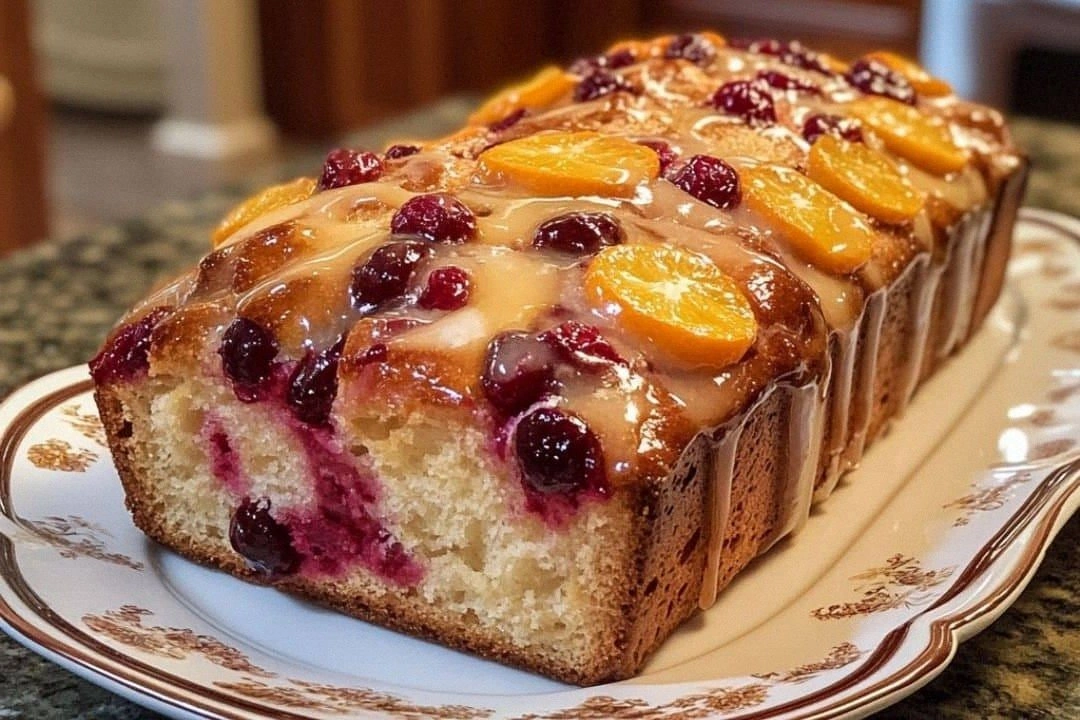
- While the loaf bakes, prepare the glaze by whisking together 1 cup of powdered sugar, 2 tablespoons of vanilla extract, and a splash of milk until smooth. The glaze should be thick enough to coat the loaf but thin enough to drizzle. The vanilla adds a sweet counterbalance to the nutmeg. The glaze is a finishing touch that elevates the loaf’s presentation. The glaze will set into a glossy, sweet finish.
- Once the loaf is done, remove it from the oven and let it rest in the pan for 10 minutes. This rest period allows the steam to settle, preventing a soggy bottom. The loaf’s crust will firm up, giving it a crisp bite. While it rests, drizzle the glaze over the warm loaf. The glaze will melt slightly, forming a glossy coating that’s irresistible.
- Transfer the loaf onto a wire rack to cool completely. The rack allows air to circulate, preventing condensation that could soften the crust. Let the loaf cool for at least 30 minutes before slicing. The glaze will set, creating a glossy, sweet finish. This final cooling step is essential for the perfect crumb.
- Slice the loaf with a serrated knife, ensuring clean cuts that showcase the airy crumb. Serve the slices warm or at room temperature, depending on your preference. The loaf is best enjoyed with a cup of hot cocoa or a glass of eggnog. The combination of flavors is unforgettable. This final step completes the experience.
- If you’re short on time or want to serve a crowd, you can slice the loaf in advance and reheat each slice in a toaster oven for 2 minutes. The glaze will stay glossy, and the crumb will warm up beautifully. This makes it a perfect option for holiday brunches or quick weekday breakfasts. The loaf holds up well, even when reheated.
- For a festive twist, sprinkle a pinch of crushed candy cane or a few chocolate chips on top of the glaze before it sets. The candy adds a sweet crunch, while the chocolate chips give a richer flavor. This simple addition elevates the loaf for special occasions. The glaze’s glossy finish will still shine through. The final touch is a holiday celebration in a loaf.
- Once you’ve baked and glazed the loaf, store it in an airtight container at room temperature for up to 3 days. The glaze will keep the loaf moist, and the bread’s flavor will remain vibrant. When you’re ready to enjoy it, simply warm a slice in the microwave for 15 seconds. The loaf will taste as fresh as the day it was baked. This storage method keeps the loaf delicious for longer.
- If you prefer a deeper flavor, let the loaf rest overnight before glazing. The eggnog will infuse the dough, creating a richer taste. The glaze will still set beautifully. This technique is ideal for holiday parties where you want a pre‑baked loaf that tastes fresh.
That's it— you did it. But hold on, I've got a few more tricks that'll take this to another level.
Insider Tricks for Flawless Results
The Temperature Rule Nobody Follows
Many bakers bake at a higher temperature, thinking it will give a better crust. In reality, a steady 350°F (175°C) is perfect for this loaf, allowing the batter to rise slowly and evenly. If you bump the temperature, the loaf will rise too quickly and collapse. I once baked at 375°F and the loaf ended up flat and dense. Stick to the recommended temperature for consistent results.
Why Your Nose Knows Best
The aroma of nutmeg and vanilla is a reliable indicator of doneness. When the loaf smells sweet and warm, it’s almost ready. If the scent is faint, give it a few more minutes. I’ve seen people rely on timers alone and miss the perfect moment. Trust your nose, and you’ll never overbake again.
The 5-Minute Rest That Changes Everything
Letting the loaf rest in the pan for 10 minutes before transferring to a rack is crucial. It allows the steam to settle and the crust to firm up. Skipping this step can result in a soggy bottom. I’ve had a loaf collapse because I rushed it out of the oven. A short rest is a game‑changer.
Keep the Glaze Thin and Smooth
If the glaze is too thick, it won’t coat the loaf evenly. Use a splash of milk or water to thin it out. A thin glaze will set into a glossy finish that’s both sweet and elegant. I once made the glaze too thick, and it clumped on the loaf. Adjust the consistency for a perfect coat.
Use a Sharp Knife for Clean Slices
A serrated knife cuts through the bread without crushing the crumb. A dull knife can crush the airy texture and leave a messy slice. I’ve seen slices that look like a mess when a dull blade is used. Keep a sharp knife ready for the best presentation.
Reheat With Care
To warm slices, use a toaster oven or a skillet for a few minutes. Avoid microwaving too long, which can make the loaf rubbery. I once microwaved a slice for 30 seconds, and it came out chewy. A quick 15-second burst in the microwave or a gentle pan heat works best.
Freeze for Later
Wrap the loaf tightly in plastic wrap and place it in a freezer bag. When you’re ready to eat, thaw overnight and reheat in a toaster oven. The loaf retains its moisture and flavor. I’ve frozen this loaf for a holiday brunch, and it still tasted fresh. Freezing is a lifesaver for busy schedules.
Creative Twists and Variations
This recipe is a playground. Here are some of my favorite ways to switch things up:
Chocolate‑Nutmeg Surprise
Add ½ cup of melted dark chocolate to the batter for a rich, bittersweet twist. The chocolate complements the nutmeg, creating a decadent holiday treat. Perfect for chocolate lovers who still want a hint of spice.
Almond‑Infused Delight
Replace half of the flour with almond flour for a nutty flavor and a slightly denser crumb. The almond flour also adds a subtle crunch when combined with the glaze. Great for those who love a nutty finish.
Spiced Coffee Glaze
Swap vanilla for espresso powder in the glaze for a coffee‑spiced finish. The espresso pairs wonderfully with the nutmeg, creating a warm, aromatic loaf. Ideal for coffee enthusiasts.
Maple‑Honey Twist
Use maple syrup in place of powdered sugar for a natural sweetness. The maple adds a subtle caramel note that pairs well with the eggnog. This version is a healthier alternative for those watching their sugar intake.
Holiday Sprinkles
After glazing, dust the loaf with crushed peppermint candies or festive sprinkles. The crunch adds texture and a visual pop of holiday color. It’s a fun way to personalize the loaf for parties.
Cheese‑Crumb Finish
Top the loaf with a layer of grated cheddar before glazing. The cheese melts into the bread, adding savory depth that balances the sweetness. It’s a surprising but delicious combination.
Storing and Bringing It Back to Life
Fridge Storage
Store the cooled loaf in an airtight container at room temperature for up to 3 days. The glaze will keep the loaf moist, and the bread’s flavor will remain vibrant. If you’re not going to eat it within that time, consider freezing for longer storage.
Freezer Friendly
Wrap the loaf tightly in plastic wrap and place it in a freezer bag. When you’re ready to enjoy it, thaw overnight in the refrigerator. Reheat in a toaster oven for a few minutes to restore the crust’s crispness. Freezing preserves the flavor and texture.
Best Reheating Method
Reheat slices in a toaster oven at 350°F (175°C) for 2 minutes. If you prefer the microwave, add a splash of water to the slice before microwaving to keep it moist. The glaze will set into a glossy finish, and the crumb will be warm and inviting. This method is quick and retains the loaf’s original charm.