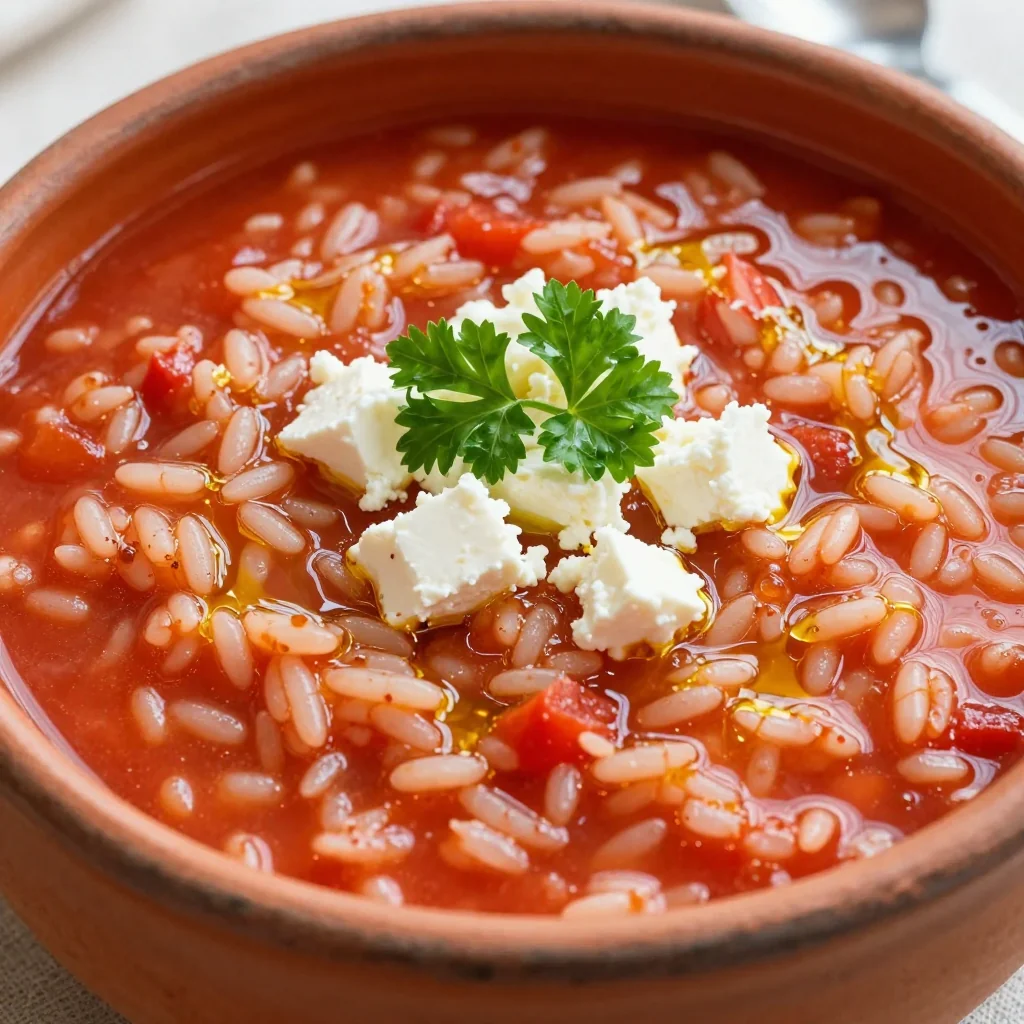
This cozy tomato rice soup has been my go-to comfort recipe for over a decade now. Whether you're nursing a cold, soothing a broken heart, or simply craving something that feels like a warm hug from the inside out, this soup delivers. The beauty lies in its simplicity: ripe tomatoes, aromatic vegetables, tender rice, and a handful of pantry staples that somehow come together to create something far greater than the sum of their parts. Unlike heavy cream-based soups that can feel overwhelming, this version remains light yet satisfying, making it perfect for any season.
What makes this recipe truly special is its adaptability. I've served it at elegant dinner parties (garnished with a drizzle of basil oil and homemade croutons) and packed it in thermoses for snowy sledding adventures. It's equally at home in a delicate china bowl or a sturdy camping mug. The soup's gentle acidity from the tomatoes pairs beautifully with the earthy rice, while subtle herbs add complexity without overwhelming the delicate balance. Best of all, it comes together in under an hour, making it realistic for weeknight dinners yet impressive enough for weekend guests.
Why This Recipe Works
- One-Pot Wonder: Everything cooks in a single pot, minimizing dishes while maximizing flavor as the ingredients meld together beautifully.
- Nutrient-Dense Healing Properties: Tomatoes provide lycopene and vitamin C, while the warm broth helps clear congestion and soothes sore throats.
- Perfect Texture Balance: The rice adds satisfying substance without making the soup heavy, creating that perfect middle ground between broth and stew.
- Pantry-Friendly Ingredients: Uses common ingredients you likely already have, eliminating emergency grocery runs when you're not feeling well.
- Customizable Base: Easily adapted for vegan, gluten-free, or protein-boosted versions without compromising the essential character of the soup.
- Make-Ahead Magic: Tastes even better the next day as flavors deepen, making it perfect for meal prep or bringing to sick friends.
Ingredients You'll Need
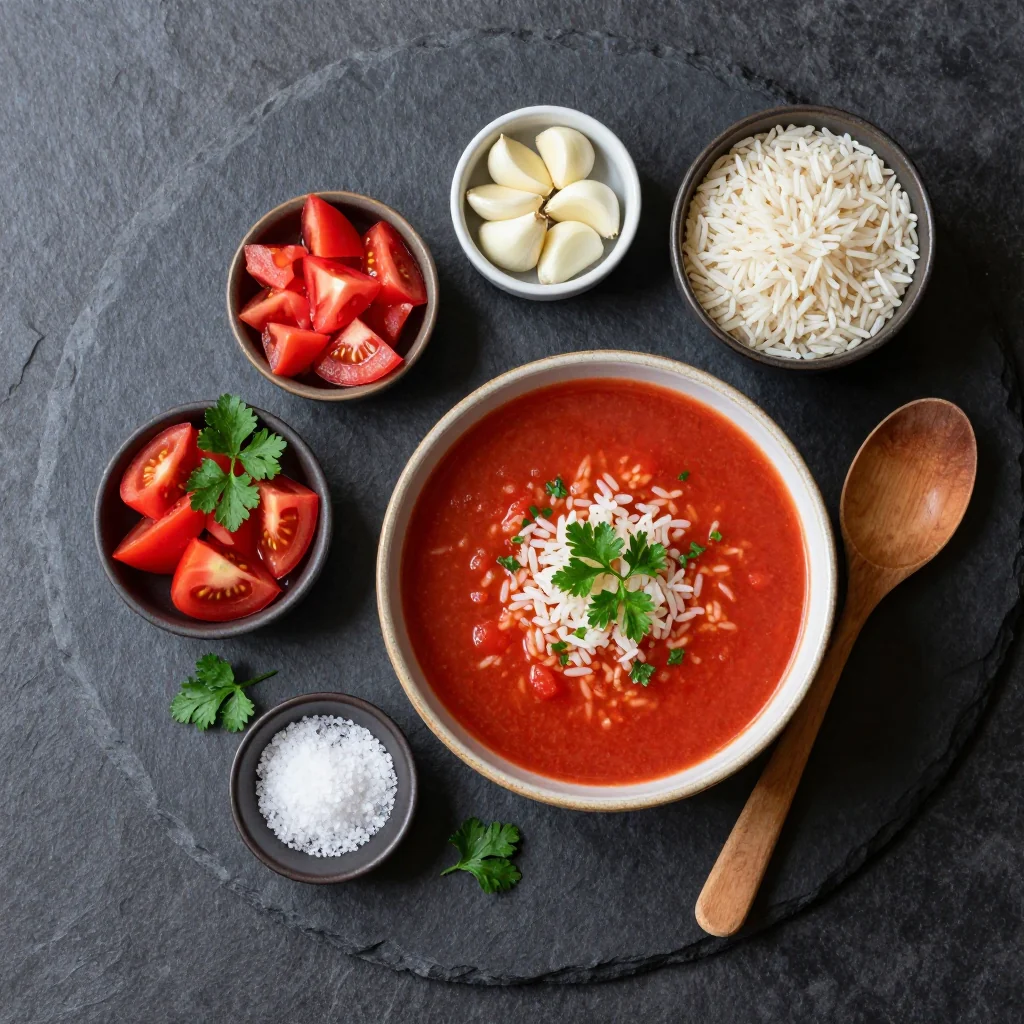
The beauty of this soup lies in how humble ingredients transform into something extraordinary. Let's explore each component and understand why it matters:
Ripe Tomatoes (2 pounds or 900g): The heart and soul of this soup. In summer, I use vine-ripened tomatoes still warm from the sun, but year-round, I rely on good quality canned San Marzano tomatoes. If using fresh, look for deeply colored, slightly soft tomatoes with a sweet aroma. Avoid pale, hard tomatoes—they'll never develop the rich flavor you need. In winter months, I actually prefer canned tomatoes as they're picked and preserved at peak ripeness.
Arborio or Short-Grain Rice (¾ cup): This Italian rice variety traditionally used for risotto is my secret weapon. Its high starch content creates a naturally creamy texture as it cooks, eliminating the need for heavy cream. The grains stay pleasantly chewy while releasing starch that thickens the soup perfectly. If you can't find Arborio, any short-grain rice works, but avoid long-grain varieties like basmati—they'll turn mushy and won't provide the same creamy texture.
Yellow Onion (1 large): The foundation of flavor. I prefer yellow onions for their balance of sweetness and sharpness. Dice them finely so they melt into the soup, creating a subtle sweetness that balances the tomatoes' acidity. If you're sensitive to onions, shallots make an excellent milder substitute.
Carrots (2 medium): These add natural sweetness and beautiful color. I peel and dice them small so they cook quickly and blend seamlessly into the soup. Organic carrots really do taste better here—conventional ones can be woody and bland. If you have rainbow carrots, they create gorgeous color variations.
Celery (2 stalks): Often overlooked, celery provides essential aromatic depth. The leaves are particularly flavorful—don't discard them! Chop the celery small, including leaves, for maximum flavor distribution. If you're out of celery, a small fennel bulb adds an interesting twist.
Garlic (4 cloves): Fresh garlic gives the soup backbone and warmth. I mince it finely and add it after the vegetables have softened to prevent burning. For a mellower flavor, roast the garlic first. In a pinch, ½ teaspoon garlic powder per clove works, but fresh is always superior.
Vegetable or Chicken Broth (6 cups): The liquid gold that ties everything together. Homemade broth elevates this soup to restaurant quality, but good store-bought works beautifully. Look for low-sodium versions so you can control the seasoning. For an extra healing boost when sick, I make a simple bone broth with chicken bones, ginger, and turmeric.
Extra Virgin Olive Oil (3 tablespoons): More than just for sautéing, good olive oil adds fruity, peppery notes that complement the tomatoes. I use a generous amount for both cooking and finishing. A drizzle of your best oil just before serving makes a remarkable difference.
Fresh Basil (½ cup leaves): Tomatoes' best friend. Fresh basil adds brightness and that unmistakable Italian character. Add half during cooking and save the rest for garnish. In winter, I use a combination of dried basil (1 teaspoon) during cooking and fresh parsley for garnish.
Bay Leaf (1 large): This humble herb adds subtle complexity and depth. Remove it before serving—biting into a bay leaf is unpleasant. If you have fresh bay leaves, use them; they're more aromatic than dried.
Sea Salt and Black Pepper: Proper seasoning transforms good soup into great soup. I use kosher salt for cooking and finish with flaky sea salt. Freshly cracked black pepper provides the best flavor—pre-ground pepper tastes flat and dusty.
Optional Healing Boosters: When someone is sick, I add a 1-inch piece of fresh ginger (minced) and ½ teaspoon turmeric. A splash of apple cider vinegar at the end brightens all the flavors and adds extra healing properties.
How to Make Cozy Tomato Rice Soup That's Simple and Healing
Prepare Your Mise en Place
Start by washing and prepping all your vegetables. Dice the onion into ¼-inch pieces, aiming for uniform size so they cook evenly. Peel the carrots and cut into ¼-inch dice. Slice the celery thinly, including the leaves. Mince the garlic finely. If using fresh tomatoes, score an X on the bottom of each, blanch in boiling water for 60 seconds, then shock in ice water—the skins will slip off easily. Roughly chop the tomatoes, reserving any juices. Measure out your rice and have your broth ready. This preparation ensures smooth cooking and prevents any frantic searching for ingredients mid-process.
Build Your Flavor Foundation
Heat a heavy-bottomed soup pot or Dutch oven over medium heat. Add 2 tablespoons olive oil and heat until shimmering but not smoking. Add the diced onions with a pinch of salt—this helps draw out moisture and prevents browning. Sauté for 5-6 minutes, stirring occasionally, until the onions become translucent and begin to soften. Add the carrots and celery, season with another pinch of salt and several grinds of black pepper. Cook for 8-10 minutes, stirring every couple of minutes, until the vegetables are softened and the onions are starting to turn golden. This slow sauté creates the flavor base that will permeate your entire soup.
Add Aromatics and Rice
Clear a small space in the center of the pot by pushing the vegetables to the sides. Add the remaining tablespoon of olive oil and the minced garlic. Cook for just 30-45 seconds, stirring constantly, until fragrant but not browned. Burnt garlic will turn bitter and ruin your soup. Add the rice directly to the pot and stir to coat each grain with the oil and vegetable mixture. Toast the rice for 2-3 minutes, stirring frequently. This toasting process enhances the rice's nutty flavor and helps it maintain its structure during cooking. The rice should look slightly translucent around the edges.
Introduce the Tomatoes
Add your prepared tomatoes and any accumulated juices to the pot. If using canned tomatoes, crush them gently with your hands as you add them, or use kitchen scissors to cut them into chunks directly in the pot. The tomato acidity will immediately start to deglaze the bottom of the pot—use your spoon to scrape up any flavorful browned bits. Add half of your fresh basil (or dried basil if using) and the bay leaf. Let the tomatoes cook for 5-6 minutes, stirring occasionally, until they start to break down and create a thick, chunky sauce. This step concentrates the tomato flavor and creates a rich base for your soup.
Add the Broth and Simmer
Pour in your warm broth—warm broth helps maintain the cooking temperature and prevents the rice from becoming gummy. Add 1 teaspoon of salt (you can adjust later) and several grinds of black pepper. Increase heat to high and bring to a rolling boil. Once boiling, immediately reduce heat to maintain a gentle simmer. Cover partially with the lid slightly ajar—this allows some steam to escape while preventing too much liquid from evaporating. Cook for 15-18 minutes, stirring every 5 minutes to prevent the rice from sticking to the bottom. The soup will gradually thicken as the rice releases its starch.
Check Doneness and Adjust Seasoning
Test the rice by tasting a few grains—they should be tender but still have a slight firmness (al dente). If the soup seems too thick, add hot water or more broth, ½ cup at a time, until it reaches your desired consistency. Remember that it will continue to thicken as it stands. Remove the bay leaf and discard. Taste and adjust seasoning—the soup should be well-seasoned but not overly salty. Add more salt if needed, several grinds of black pepper, and if the tomatoes were particularly acidic, a pinch of sugar helps balance the flavors. If using, stir in your healing boosters (grated ginger and turmeric) now.
Add Fresh Herbs and Final Touches
Stir in the remaining fresh basil (or parsley if using) and let it wilt for 30 seconds. If desired, add a splash of apple cider vinegar or a squeeze of lemon juice to brighten all the flavors. The acid makes a remarkable difference, making all the other flavors pop. For extra richness, swirl in a tablespoon of olive oil or a pat of butter. This final enrichment adds a silky texture and luxurious mouthfeel without making the soup heavy. Taste once more and make any final adjustments to seasoning.
Serve and Garnish
Ladle the hot soup into warm bowls—warming your bowls prevents the soup from cooling too quickly. Garnish each serving with a drizzle of good olive oil, fresh basil leaves, and cracked black pepper. For extra healing power, add a pinch of red pepper flakes for circulation, or a spoonful of plain yogurt for probiotics. Serve immediately with crusty bread for dipping. The soup will continue to thicken as it stands—thin with hot water or broth when reheating.
Expert Tips
Temperature Control
Keep your soup at a gentle simmer, not a rolling boil. High heat breaks down the rice too quickly, creating a mushy texture and cloudy broth. The ideal temperature is just below boiling, where you see occasional bubbles breaking the surface.
Broth Quality
Warm your broth before adding it to the pot. Cold broth shocks the rice and vegetables, disrupting the cooking process and potentially making the rice gummy. Keep a kettle of hot water nearby for adjusting consistency.
Stirring Schedule
Stir every 5 minutes but avoid over-stirring, which can break down the rice and make the soup gluey. Use a wooden spoon and scrape the bottom gently to prevent sticking without mashing the vegetables.
Seasoning Timing
Add salt in stages rather than all at once. The rice absorbs salt as it cooks, so what tastes perfectly seasoned initially may taste under-seasoned later. Always taste and adjust at the end.
Rice Selection
If substituting rice varieties, adjust cooking times accordingly. Brown rice needs 35-40 minutes, wild rice needs 45-50 minutes, while white rice cooks in 15-20. Never use instant rice—it becomes mushy and loses its texture.
Make-Ahead Magic
The soup thickens considerably as it cools. When reheating, add broth or water gradually until you achieve the desired consistency. It often needs more liquid than you initially think.
Variations to Try
Mediterranean Version
Add 1 cup diced zucchini, ½ cup chopped Kalamata olives, and 2 tablespoons capers. Replace basil with fresh oregano and add a pinch of cinnamon. Finish with crumbled feta cheese and a squeeze of lemon.
Perfect for summer when zucchini is abundant and you want a brighter, more complex flavor profile.
Protein-Packed
Add 1 cup cooked white beans or chickpeas during the last 5 minutes. For meat lovers, brown ½ pound Italian sausage with the vegetables. For a lighter option, add shredded cooked chicken breast just before serving.
Transforms the soup into a complete meal that will satisfy even the hungriest appetites.
Spicy Southwest
Add 1 diced jalapeño with the vegetables, 1 teaspoon smoked paprika, and ½ teaspoon ground cumin. Replace basil with cilantro and serve with avocado cubes, lime wedges, and crispy tortilla strips.
When you need extra heat to clear sinuses or want to chase away winter chills with bold flavors.
Creamy Deluxe
For a richer version, stir in ½ cup heavy cream or coconut milk during the last 5 minutes. Alternatively, blend ½ cup of the soup and return it to the pot for a naturally creamy texture without dairy.
Perfect for special occasions or when you want something more indulgent without being overly heavy.
Storage Tips
Refrigeration
Store cooled soup in airtight containers in the refrigerator for up to 4 days. The soup will thicken considerably as it chills—this is normal and expected. When reheating, add broth or water gradually, stirring well, until you achieve the desired consistency.
Pro tip: Store the soup without added fresh herbs or final olive oil. Add these when reheating for the freshest flavor.
Freezing
This soup freezes beautifully for up to 3 months. Let it cool completely, then transfer to freezer-safe containers, leaving 1 inch of space for expansion. Freeze in portion-sized containers for easy single servings. Thaw overnight in the refrigerator.
Note: The rice may become slightly softer after freezing, but the flavor remains excellent. Stir well when reheating to redistribute the starch.
Make-Ahead Instructions
This soup is ideal for meal prep and actually tastes better the next day as flavors meld. Make it up to 3 days ahead, but slightly undercook the rice by 2-3 minutes. It will finish cooking when you reheat, preventing mushy texture.
For best results, prepare the soup base without the rice. Store separately and cook the rice fresh when ready to serve, adding it to the hot soup. This method preserves the perfect texture for up to 5 days.
Frequently Asked Questions
Absolutely! Brown rice adds nutty flavor and extra fiber, making the soup even more filling. However, you'll need to adjust the cooking time—brown rice typically needs 35-40 minutes to cook through. Add an extra cup of broth since brown rice absorbs more liquid. The texture will be chewier and the soup heartier. For best results, soak the brown rice in hot water for 20 minutes before adding to reduce cooking time.
Tomato acidity varies greatly depending on variety and season. To balance excess acidity, try these fixes: 1) Stir in ½ teaspoon baking soda—it will fizz and neutralize acid without affecting flavor. 2) Add a pinch of sugar or grated carrot to counteract tartness. 3) Stir in a splash of cream or coconut milk for richness. 4) Add a pat of butter or olive oil to coat your palate. Start with small amounts and taste after each addition—it's easier to add more than to fix over-correction.
Yes! For slow cooker: Sauté vegetables first, then transfer to slow cooker with all ingredients except rice. Cook on low 6-8 hours or high 3-4 hours. Add rice during the last 20-25 minutes of cooking. For Instant Pot: Use sauté function for vegetables, then add all ingredients. Cook on high pressure for 6 minutes with natural release for 10 minutes. The rice cooks perfectly and the flavors meld beautifully in both methods.
This soup is excellent for babies 8+ months when properly modified. Omit salt entirely and use low-sodium broth. For younger babies, blend the soup smooth after cooking. For toddlers, serve as-is or slightly mashed. The rice provides great texture for practicing chewing. Add extra vegetables like zucchini or sweet potato for nutrition. Always check temperature carefully and test all ingredients for appropriate size to prevent choking.
Mushy rice usually results from: 1) Overcooking - start checking at 12 minutes for white rice. 2) Too much liquid - the soup should be slightly thick when you add rice. 3) Over-stirring - stir gently and only every 5 minutes. 4) Wrong rice type - avoid instant or pre-cooked rice. 5) Temperature too high - maintain a gentle simmer, not a boil. For foolproof results, cook rice separately and add to individual bowls when serving, storing rice and soup separately.
This soup is naturally gluten-free when using certified gluten-free broth. For vegan version, use vegetable broth and skip any butter additions. For low-FODMAP, omit onions and garlic, using garlic-infused oil and green onion tops instead. For low-sodium, use no-salt tomatoes and broth, adding salt only at the end. The basic recipe is already dairy-free, nut-free, and soy-free, making it suitable for most dietary needs with simple substitutions.
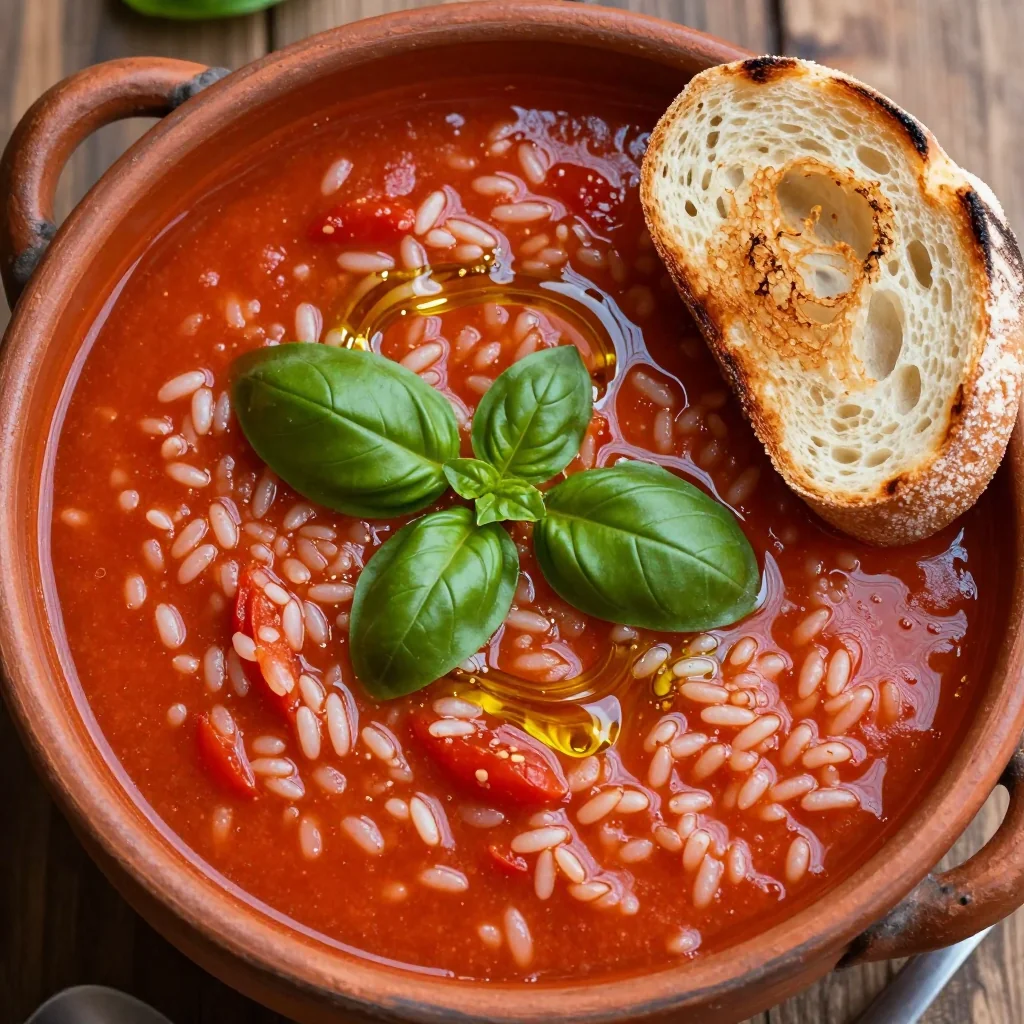
Cozy Tomato Rice Soup That's Simple and Healing
Ingredients
Instructions
- Build the base: Heat olive oil in a large soup pot over medium heat. Sauté onion, carrots, and celery with a pinch of salt for 8-10 minutes until softened.
- Add aromatics: Stir in garlic and rice, cooking for 2-3 minutes until fragrant and rice is lightly toasted.
- Add tomatoes: Mix in chopped tomatoes and half the basil, cooking 5-6 minutes until tomatoes break down.
- Simmer: Pour in warm broth, add bay leaf, salt, and pepper. Bring to a boil, then reduce to a gentle simmer for 15-18 minutes.
- Finish and serve: Remove bay leaf, adjust seasoning, and stir in remaining basil. Add vinegar if desired, and serve hot with crusty bread.
Recipe Notes
The soup will thicken as it stands—thin with hot water or broth when reheating. For meal prep, store rice and soup separately for best texture. This soup is naturally vegan (with vegetable broth) and gluten-free.