Last weekend I found myself standing in the kitchen, staring at a half‑cooked pot of spaghetti sauce that tasted like regret and a bag of pasta shells that had been abandoned in the pantry for months. I was hungry, the kids were begging for something “cheesy,” and my roommate dared me to whip up a casserole that could actually make the whole apartment smell like a five‑star Italian bistro. I accepted the challenge, but the first attempt was a disaster: the sauce was watery, the cheese clumped like frozen snow, and the shells were as soggy as a wet sponge. I tasted that failure, and I swear I heard a tiny voice in my head say, “You’re never going to get it right.” I laughed, I cried, and I promised myself I’d figure out the perfect balance of creaminess, meatiness, and that irresistible baked‑on‑top crust.
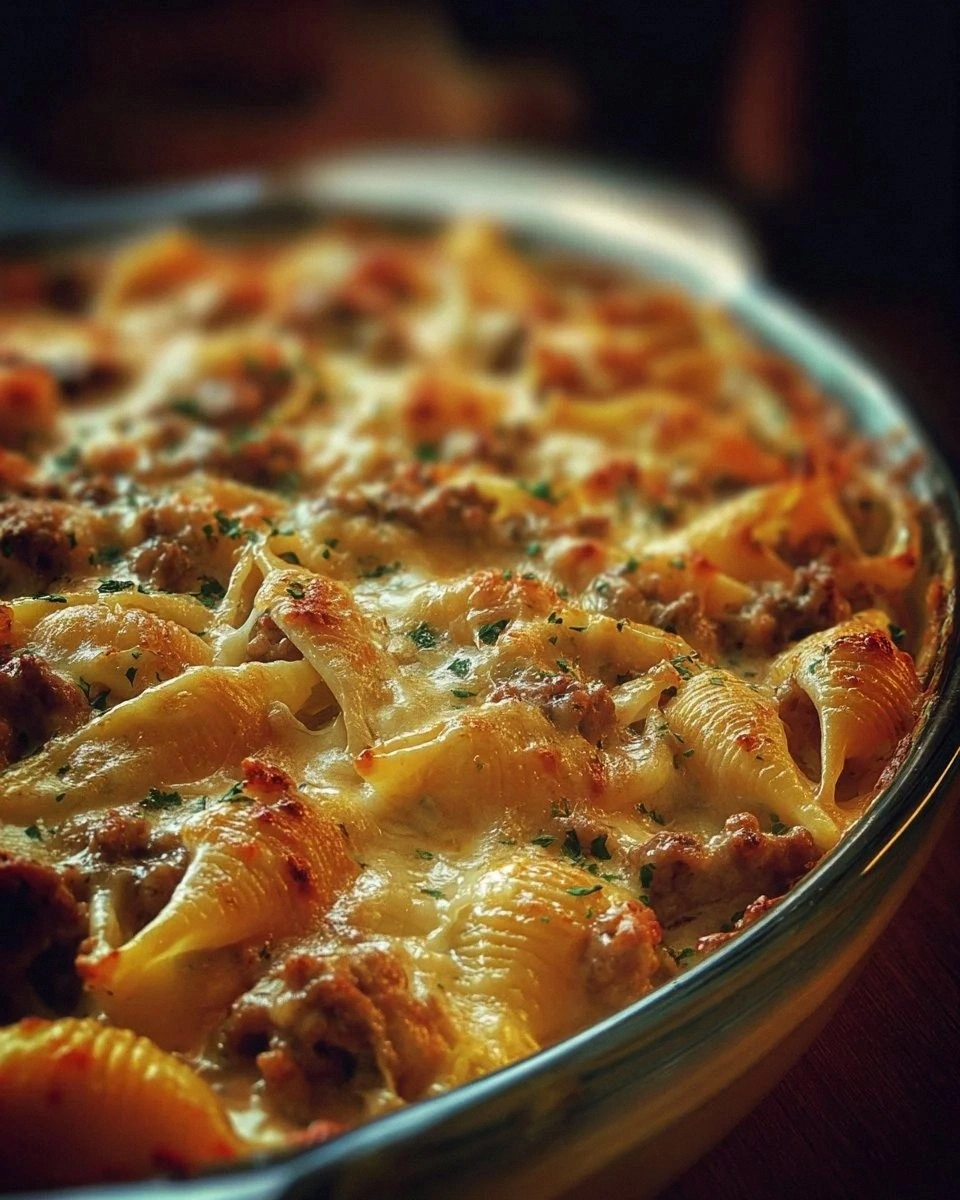
Fast forward a few hours of trial, error, and a lot of “what if” moments, and I finally landed on a version that makes my kitchen feel like a warm hug on a cold day. Imagine a sauce that coats each shell like velvet, a ricotta‑mozzarella blend that melts into a silky river of dairy goodness, and a golden Parmesan crust that cracks with a satisfying snap when you dig in. The aroma that fills the air is a heady mix of garlic, onion, and Italian herbs that makes the whole house pause, inhaling the promise of comfort food at its finest. The first bite? It’s a flavor explosion that makes you want to shout, “I dare you to taste this and not go back for seconds!”
What sets this particular casserole apart isn’t just the ingredients—it’s the method. Most recipes tell you to just throw everything together and bake, but that’s where they get it wrong. I’ve incorporated a few game‑changing tricks: a quick browning of the beef that builds a deep umami foundation, a brief simmer of the tomato sauce with a splash of cream to lock in richness, and a strategic layering of the cheeses so each bite delivers a different texture. You’ll notice the shells hold their shape, the sauce stays thick, and the top crust turns a gorgeous amber hue that’s both visually stunning and texturally perfect.
And there’s a secret ingredient that most people overlook—a pinch of nutmeg in the ricotta mixture that adds a subtle warmth without being obvious. I’ll reveal exactly how to incorporate it without throwing off the flavor balance. Let me walk you through every single step — by the end, you’ll wonder how you ever made it any other way.
What Makes This Version Standout
- Depth of Flavor: By browning the ground beef until it’s caramelized, you create a rich, meaty base that’s far more complex than a simple simmer. The added garlic and onion become sweet and fragrant, turning the sauce into a savory masterpiece.
- Creamy Consistency: The combination of ricotta, mozzarella, and a splash of cream gives the sauce a luxurious mouthfeel that coats each shell like a silky blanket, preventing any dry spots.
- Perfect Texture: Large pasta shells are cooked al‑dente, so they retain a slight bite, while the baked top forms a crisp, golden crust that shatters like thin ice when you dig in.
- Simplicity Meets Sophistication: The ingredient list is short, but each component is chosen for maximum impact, meaning you don’t need a pantry full of exotic items to achieve gourmet results.
- Crowd‑Pleaser Factor: This casserole consistently gets rave reviews at family gatherings; even the pickiest eaters can’t resist the cheesy pull and the comforting aroma.
- Make‑Ahead Friendly: Assemble the dish a day ahead, refrigerate, and bake when you’re ready—perfect for busy weeknights or potlucks.
- Versatile Base: You can swap ground beef for halal ground lamb or even a plant‑based mince, making it adaptable to dietary preferences without sacrificing flavor.
- Seasonal Flexibility: The dish shines year‑round, but you can easily add seasonal veggies like roasted squash in the fall for an extra twist.
Alright, let's break down exactly what goes into this masterpiece...
Inside the Ingredient List
The Flavor Base
Ground Beef (or halal ground lamb): This is the heart of the casserole. The fat content in a standard 80/20 beef provides moisture and flavor; if you opt for leaner meat, add a tablespoon of olive oil to keep it juicy. Skipping the browning step will leave you with a bland, watery sauce that never reaches that deep, comforting taste. Pro tip: Look for meat that’s bright red with a fine grain—this usually indicates freshness.
Onion, diced (½ cup): Onions bring sweetness once they’re sautéed, balancing the acidity of the tomato sauce. If you forget to dice them finely, they can create unwanted texture spikes. A good swap is shallots for a milder, more aromatic profile, but keep the quantity the same.
Garlic, minced (2 cloves): Garlic is the aromatic spark that ignites the flavor train. Overcooking it can turn it bitter, so add it after the onions have softened and watch for that golden perfume. If you love garlic, feel free to double it, but remember the balance.
The Texture Crew
Ricotta Cheese (2 cups): Ricotta gives the casserole its creamy body and a slight tang that cuts through the richness of the meat. Full‑fat ricotta works best; low‑fat versions can become grainy when baked. If you can’t find ricotta, substitute with cottage cheese blended until smooth.
Mozzarella, shredded (1 cup + extra for topping): Mozzarella melts into those glorious stretchy strings that make every bite a pull‑apart experience. For extra flavor depth, use a blend of part‑skim and whole‑milk mozzarella. The extra topping ensures a bubbly, golden crust that’s the envy of any dinner table.
Parmesan, grated (½ cup): Parmesan adds a salty, nutty finish and helps form that coveted crust. Freshly grated is essential; pre‑grated packets contain anti‑caking agents that inhibit browning.
The Unexpected Star
Tomato Sauce (15 oz can): A quality tomato sauce provides acidity and body. Look for sauces with no added sugars or preservatives for a cleaner taste. If you crave a deeper flavor, simmer the sauce with a splash of red wine before adding it to the beef.
Italian Seasoning (1 tsp): This blend of oregano, basil, thyme, and rosemary gives the dish its classic Italian character. Fresh herbs can be used for a brighter note, but they’ll need a slightly longer cooking time.
Fresh Parsley (optional): A sprinkle of chopped parsley just before serving adds a pop of color and a fresh, herbaceous finish. If you don’t have parsley, flat‑leaf cilantro can add a surprising twist.
Everything's prepped? Good. Let's get into the real action...
The Method — Step by Step
Heat a large skillet over medium‑high heat and add the ground beef. As soon as the meat hits the pan, you’ll hear a satisfying sizzle that signals caramelization is about to begin. Break the meat up with a wooden spoon, spreading it thinly across the surface. Cook until the beef is deeply browned, about 6‑8 minutes, and the juices have evaporated. Power transition: This is the moment of truth—if you skip this browning, you’ll end up with a bland casserole.
Reduce the heat to medium and toss in the diced onion. Stir frequently; you want the onions to become translucent and just start to turn golden, about 3‑4 minutes. Add the minced garlic and cook for another 30 seconds, watching for that aromatic puff that tells you it’s ready. That sizzle when it hits the pan? Absolute perfection.
Now stir in the tomato sauce, Italian seasoning, and a splash (about ¼ cup) of heavy cream or half‑and‑half. The cream is the secret that prevents the sauce from becoming watery and gives it that luxurious mouthfeel. Let the mixture simmer gently for 10 minutes, stirring occasionally. You’ll notice it thickening and the edges pulling away from the pan—this is your cue that the sauce has reached the right consistency.
While the sauce simmers, bring a large pot of salted water to a rolling boil. Add the pasta shells and cook them al‑dente—about 2 minutes less than the package instructions. This ensures they won’t turn mushy during the bake. Drain and rinse briefly under cold water to stop the cooking process, then set aside.
In a mixing bowl, combine the ricotta, half of the shredded mozzarella, grated Parmesan, and a pinch of freshly ground black pepper. If you’re feeling adventurous, add a pinch of nutmeg; it adds a subtle warmth that elevates the dairy blend. Mix until smooth—this is your creamy cheese layer that will bind everything together.
Preheat your oven to 375°F (190°C). Lightly grease a 9×13‑inch baking dish with butter or olive oil. Start assembling: spoon a thin layer of the meat sauce onto the bottom of the dish, then arrange a single layer of the cooked shells. Dollop generous spoonfuls of the ricotta mixture over the shells, spreading it just enough to cover each one. Repeat the layering—sauce, shells, ricotta—until you run out of ingredients, finishing with a final layer of sauce on top.
Sprinkle the remaining mozzarella over the top, followed by a final dusting of Parmesan. This creates the golden, bubbly crust that will crack delightfully when you cut into it. Slide the dish into the oven and bake for 20‑25 minutes, or until the cheese is melted, the edges are bubbling, and the top has turned a deep golden‑brown.
Remove the casserole from the oven and let it rest for 10 minutes. This resting period allows the sauce to thicken further and the flavors to meld. While you wait, the kitchen will be filled with the intoxicating scent of baked cheese and herbs—picture yourself pulling this out of the oven, the whole kitchen smelling incredible. After the rest, garnish with fresh parsley if desired, slice, and serve.
That's it — you did it. But hold on, I've got a few more tricks that'll take this to another level...
Insider Tricks for Flawless Results
The Temperature Rule Nobody Follows
Never bake a casserole straight from the fridge at a high temperature; the sudden heat shock can cause the cheese to separate. Let the assembled dish sit at room temperature for 15 minutes before popping it into the oven. This small pause ensures even cooking and a smoother cheese melt. I once tried skipping this step and ended up with a watery top layer—lesson learned.
Why Your Nose Knows Best
Trust the scent cues. When the sauce starts to smell like toasted tomatoes and herbs, you know the flavors have deepened. If you detect a metallic or overly acidic whiff, add a pinch of sugar or a splash of cream to balance it out. Your nose is the best built‑in tasting tool you have.
The 5‑Minute Rest That Changes Everything
Allowing the casserole to rest after baking is non‑negotiable. Those 5‑10 minutes let the sauce thicken and the cheese set, making slicing cleaner and preventing a soggy plate. I’ve seen people dive straight in and end up with a mess of sauce spilling everywhere—stay patient, the reward is worth it.
Cheese Layering Magic
Instead of mixing all cheeses together, keep ricotta separate from the mozzarella‑Parmesan blend. Ricotta stays creamy and doesn’t turn rubbery, while the mozzarella‑Parmesan creates that perfect stretch and crust. This two‑step layering is what separates a good casserole from a great one.
Salt Timing Trick
Add a pinch of salt to the meat while browning, then season the final sauce at the end. This layered salting prevents over‑salting and ensures every bite is perfectly seasoned. If you’re using salted butter for greasing, you can reduce the amount of added salt.
Creative Twists and Variations
This recipe is a playground. Here are some of my favorite ways to switch things up:
Spicy Jalapeño Kick
Dice two fresh jalapeños and sauté them with the onions. The heat adds a lively contrast to the creamy cheese, perfect for those who love a little fire. Top with a drizzle of cool sour cream when serving.
Mushroom Medley
Replace half of the ground beef with a mix of sliced cremini and shiitake mushrooms. The earthy umami deepens the flavor profile and makes the dish more substantial for vegetarians who still want a meaty bite.
Spinach Surprise
Stir in two cups of fresh baby spinach just before adding the ricotta mixture. The spinach wilts quickly, adding a burst of color and a nutritional boost without overwhelming the dish.
Southwest Flair
Swap Italian seasoning for a tablespoon of taco seasoning, add a cup of black beans, and finish with a sprinkle of cheddar instead of mozzarella. Serve with avocado slices for a Tex‑Mex twist.
Winter Comfort
Incorporate roasted butternut squash cubes into the layers and a pinch of cinnamon in the ricotta mix. The sweet, nutty notes pair beautifully with the savory sauce, making it a perfect cold‑weather comfort food.
Herb‑Infused Crust
Mix fresh thyme and rosemary into the breadcrumb topping (use panko instead of plain breadcrumbs) and sprinkle over the cheese before baking. The herb‑crusted top adds an aromatic crunch that elevates the entire casserole.
Storing and Bringing It Back to Life
Fridge Storage
Allow the casserole to cool completely, then cover tightly with foil or a reusable silicone lid. It will keep fresh for up to 4 days. When reheating, sprinkle a tablespoon of water over the surface, cover with foil, and bake at 350°F for 15‑20 minutes until heated through.
Freezer Friendly
Portion the casserole into individual freezer‑safe containers before baking, or assemble the full dish, cover tightly, and freeze for up to 3 months. To reheat, thaw overnight in the refrigerator, then bake at 375°F for 25‑30 minutes, adding a splash of water to restore moisture.
Best Reheating Method
The secret to a revived crust is to reheat uncovered for the last 5 minutes of baking. This allows the top to crisp up again, giving you that fresh‑out‑of‑the‑oven crunch. A tiny splash of water before reheating creates steam that keeps the interior creamy.