It started with a kitchen catastrophe I’ll never forget: I was juggling a pot of boiling noodles, a can of tuna, and a half‑sized jar of cream of mushroom soup, and the entire dish ended up as a soggy, flavorless mess. I stared at the bowl, wondering how a simple casserole could collapse like a paper crane. That night I made a promise to myself—to find the holy grail of tuna noodle casseroles, a version that would make the sauce cling to each noodle like velvet and the breadcrumb topping crackle with a satisfying snap that shatters like thin ice.
The next morning, I was on a mission. I opened the pantry, pulled out the freshest tuna, the most fragrant pimiento, and a generous scoop of cheddar, and I set the oven to 375°F. The aroma that filled the kitchen was a heady mix of buttery mushrooms, sweet peas, and that unmistakable savory tang of tuna. My senses were on full alert: the sizzling sound of butter meeting pimiento, the gentle hiss of sauce thickening, the subtle scent of toasted breadcrumbs. It was a sensory symphony that promised comfort, and I could almost taste the creamy, cheesy finish before I even lifted a spoon.
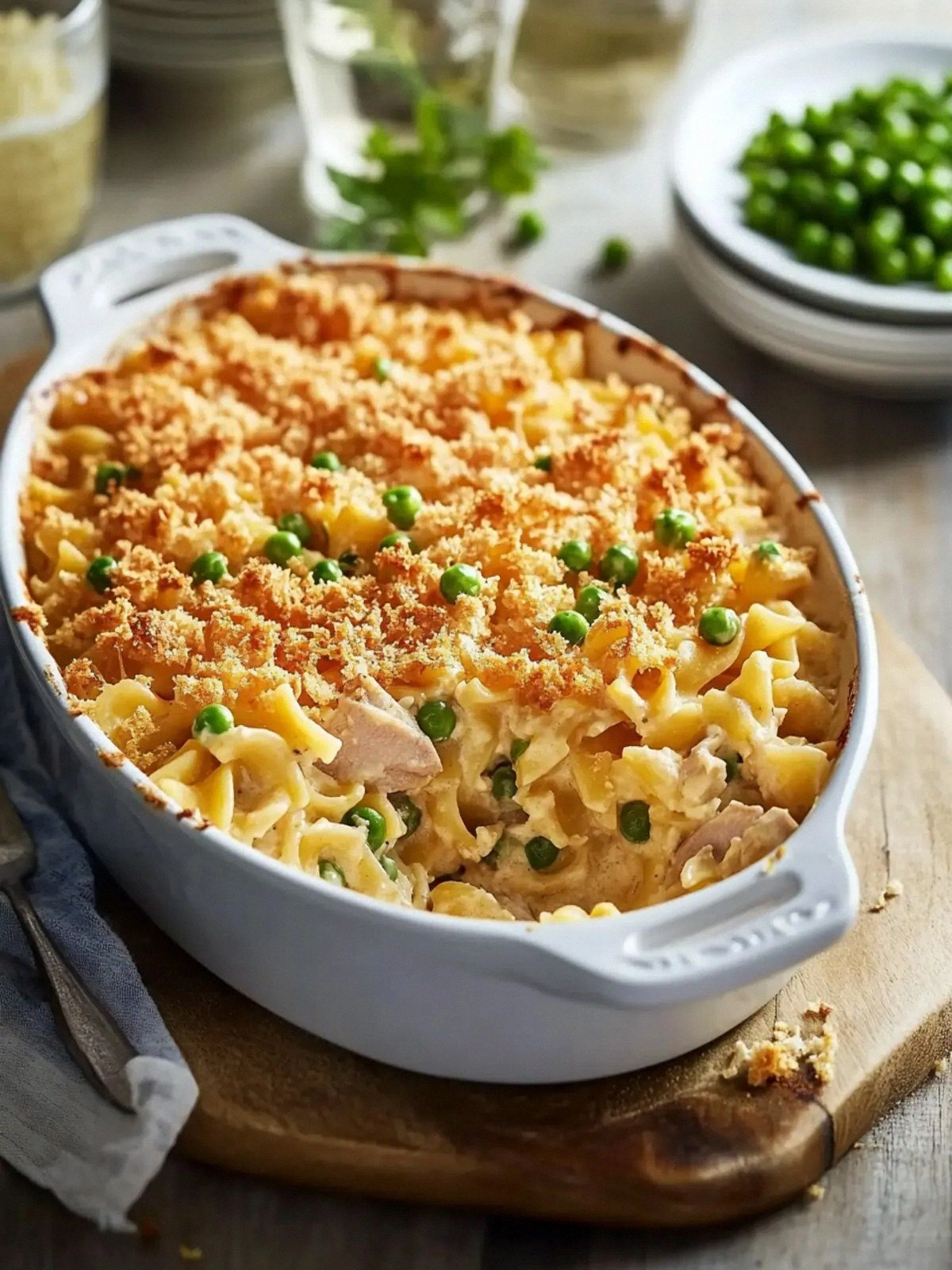
What sets this version apart is that it’s not just a casserole; it’s a carefully balanced orchestra. The sauce is silky, thanks to the cream of mushroom soup and a splash of milk, yet it has enough body to cling to every noodle. The breadcrumbs add a golden crunch that contrasts the softness of the noodles, and the cheddar melts into a gooey, golden top that bounces back when you cut into it. I dare you to taste this and not go back for seconds—once you’ve had one bite, you’ll know the difference between a good casserole and the best version you’ll ever make at home.
And so, I’m about to walk you through every single step. By the end, you’ll wonder how you ever made it any other way, and you’ll have a go-to recipe that turns an ordinary dinner into a showstopper. Let’s dive in, because this isn’t just cooking; it’s a culinary adventure that will leave your kitchen smelling incredible and your family begging for more.
What Makes This Version Stand Out
- Flavor: The sauce is a creamy, mushroom‑infused base that coats noodles like a silk scarf. It’s not heavy, but it’s rich enough to satisfy cravings for comfort food.
- Texture: The combination of al dente noodles, tender tuna, and sweet peas creates layers that bite and melt in harmony.
- Crisp Finish: Dry breadcrumbs toasted in butter give a golden crunch that pops in your mouth, breaking up the silky sauce.
- Cheese Melt: Cheddar is chosen for its sharpness and meltability, turning the top into a golden, bubbly crown.
- Ingredient Quality: Using canned tuna in water over oil keeps the dish light and lets the other flavors shine.
- Time Efficiency: From prep to bake, the entire process takes less than an hour—perfect for busy weeknights.
- Make‑Ahead Friendly: Assemble the casserole and refrigerate; bake it fresh when you’re ready to eat.
- Family Appeal: The familiar flavors of tuna and noodles make it a safe bet for picky eaters, yet sophisticated enough for adults.
Alright, let's break down exactly what goes into this masterpiece...
Inside the Ingredient List
The Flavor Base
Cream of mushroom soup is the backbone of this casserole, delivering a velvety texture and earthy undertones that elevate the humble tuna. Adding a splash of milk loosens the sauce, preventing it from becoming too thick and allowing it to coat noodles like a silky blanket. If you’re aiming for a lighter version, replace the cream of mushroom soup with a homemade mushroom broth and a dash of Dijon mustard.
The Texture Crew
Egg noodles provide the classic chew that pairs beautifully with tuna and peas. Cook them al dente so they hold their shape during baking, preventing the casserole from turning mushy. Peas bring a pop of sweetness and a burst of color, balancing the savory depth of the sauce.
The Unexpected Star
Pimiento adds a subtle smoky sweetness that you’d expect from a Mediterranean dish, a twist that most tuna casseroles miss. It’s the secret ingredient that transforms ordinary into extraordinary. Swap pimiento for roasted red pepper for a different flavor profile.
The Final Flourish
Dry breadcrumbs toasted in butter create a golden, crispy topping that adds contrast to the creamy interior. Cheddar cheese melts into a gooey, golden crust that’s both aromatic and satisfying. If you prefer a dairy-free version, try nutritional yeast for a cheesy flavor without the dairy.
Everything's prepped? Good. Let's get into the real action...
The Method — Step by Step
- Preheat the oven to 375°F (190°C). While the oven warms, bring a large pot of salted water to a rolling boil. Add the egg noodles and cook for 6 minutes, or until al dente. Drain and set aside—remember, they’ll soften slightly in the oven.
- In a medium saucepan, melt the tablespoon of butter over medium heat. Add the pimiento and sauté for 1 minute until fragrant. The butter’s golden sheen should hint at the crunchy breadcrumb layer coming soon. This is the moment the aroma begins to build.
- Stir in the can of cream of mushroom soup and pour in the ½ cup of milk. Whisk continuously until the mixture is smooth and begins to thicken, about 3 minutes. The sauce should have a silky consistency that will cling to the noodles.
- Fold in the drained tuna, peas, and the 2 cups of noodles. Mix gently so the sauce coats every strand. Add the 2 tablespoons of dry breadcrumbs, stirring to distribute them evenly. Watch out: if you add too many breadcrumbs, the casserole will become overly crunchy and dry.
- Transfer the mixture to a greased 9×13 inch baking dish. Use a spatula to spread it evenly, ensuring no gaps. Sprinkle the ¼ cup of cheddar cheese over the entire surface, letting it melt into a golden crust.
- Bake uncovered for 20 minutes. After 10 minutes, check the edges—they should start pulling away and turning a light golden brown. This indicates the cheese is bubbling and the breadcrumbs are crisping.
- When the cheese is fully melted and the edges are golden, remove the dish from the oven. Let the casserole rest for 5 minutes; this allows the flavors to settle and the sauce to thicken further.
- Serve hot, preferably with a crisp green salad or steamed broccoli. The contrast between the warm, cheesy casserole and the fresh veggies is a flavor explosion that satisfies.
That's it — you did it. But hold on, I've got a few more tricks that'll take this to another level...
Insider Tricks for Flawless Results
The Temperature Rule Nobody Follows
Many chefs bake at a high heat, but this casserole thrives at 375°F. Baking too hot can scorch the cheese before the noodles are fully cooked, leading to a burnt top and undercooked interior. Keep the oven at the right temperature, and you’ll get a perfectly golden crust every time.
Why Your Nose Knows Best
Before you take the dish out of the oven, give it a quick sniff. A fragrant, buttery aroma indicates the breadcrumbs are crisping, while a slightly sweet mushroom scent signals the sauce has thickened. Trust your nose; it’s a reliable indicator that the casserole is ready.
The 5-Minute Rest That Changes Everything
Letting the casserole rest after baking lets the sauce set, preventing it from sliding off the noodles when you serve. A five‑minute rest also allows the cheese to firm up slightly, making it easier to slice and giving the dish a more cohesive texture.
Use a Light Touch with the Milk
Adding too much milk can dilute the flavor and make the casserole soggy. Start with ½ cup and adjust if needed; you can always add a splash more after baking if it feels dry.
Breadcrumbs Are Key
Dry breadcrumbs add a satisfying crunch that balances the creamy sauce. If you’re using fresh breadcrumbs, toast them in butter until golden before mixing. This step ensures they stay crisp during baking.
Cheddar Is a Must
Cheddar melts beautifully and adds a sharp, tangy finish. If you’re looking for a sharper bite, choose a sharp cheddar; for a milder flavor, opt for a mild cheddar. The choice of cheese dramatically influences the overall taste profile.
Creative Twists and Variations
Spicy Southwest Edition
Swap the pimiento for a tablespoon of chipotle in adobo and add a pinch of cumin. Top with sliced jalapeños for heat. This variation brings a smoky, spicy kick that pairs well with a cool avocado salsa.
Herb Garden Delight
Add a handful of fresh chopped parsley or basil to the sauce. Use a dash of dried oregano for depth. The herbal notes elevate the dish, making it feel lighter and fresher.
Seafood Fusion
Replace the tuna with a mixture of smoked salmon and crab meat. Add a squeeze of lemon juice for brightness. The seafood combo turns the casserole into a luxurious, upscale comfort meal.
Vegan Version
Use a plant‑based tuna alternative, coconut milk instead of dairy milk, and nutritional yeast for a cheesy flavor. Replace the butter with olive oil. The result is a creamy, satisfying casserole that’s completely plant‑based.
Breakfast Twist
Add a handful of cooked diced bacon and a splash of maple syrup to the sauce. Serve with a side of scrambled eggs. This breakfast take turns the dish into a hearty, protein‑packed morning meal.
Gluten‑Free Upgrade
Use gluten‑free egg noodles or spiralized zucchini instead of pasta. Keep the rest of the ingredients the same. The dish becomes suitable for gluten‑sensitive diners without sacrificing flavor.
Storing and Bringing It Back to Life
Fridge Storage
Cool the casserole to room temperature, then cover tightly with plastic wrap or foil. Store in the refrigerator for up to 3 days. The flavors deepen, and the cheese stays gooey.
Freezer Friendly
Place the cooled casserole in a freezer‑safe container, leaving a little space for expansion. Freeze for up to 3 months. Thaw in the refrigerator overnight before reheating.
Best Reheating Method
Preheat the oven to 350°F. Place the casserole on a baking sheet and cover loosely with foil. Warm for 15 minutes, then remove the foil for the last 5 minutes to re‑crisp the top. Add a tiny splash of water before reheating to keep the cheese from drying out.