Picture this: you’re standing in your kitchen, the clock ticking toward dinner, and the only thing you can think about is that one dish that will turn a regular evening into a culinary celebration. I was in that exact spot last night, juggling a pot of pasta and a half‑finished chicken when my phone buzzed with a text from a friend: “You’ve got to try this cod recipe I found. It’s a game‑changer!” My curiosity got the better of me, and I dove headfirst into a quick search, only to discover a recipe that seemed too good to be true. The promise was simple—baked cod with lemon, herbs, and a splash of olive oil—but the flavor profile was described as “bursting with fresh flavor” and “crisp edges that shatter like thin ice.” I knew I had to test it.
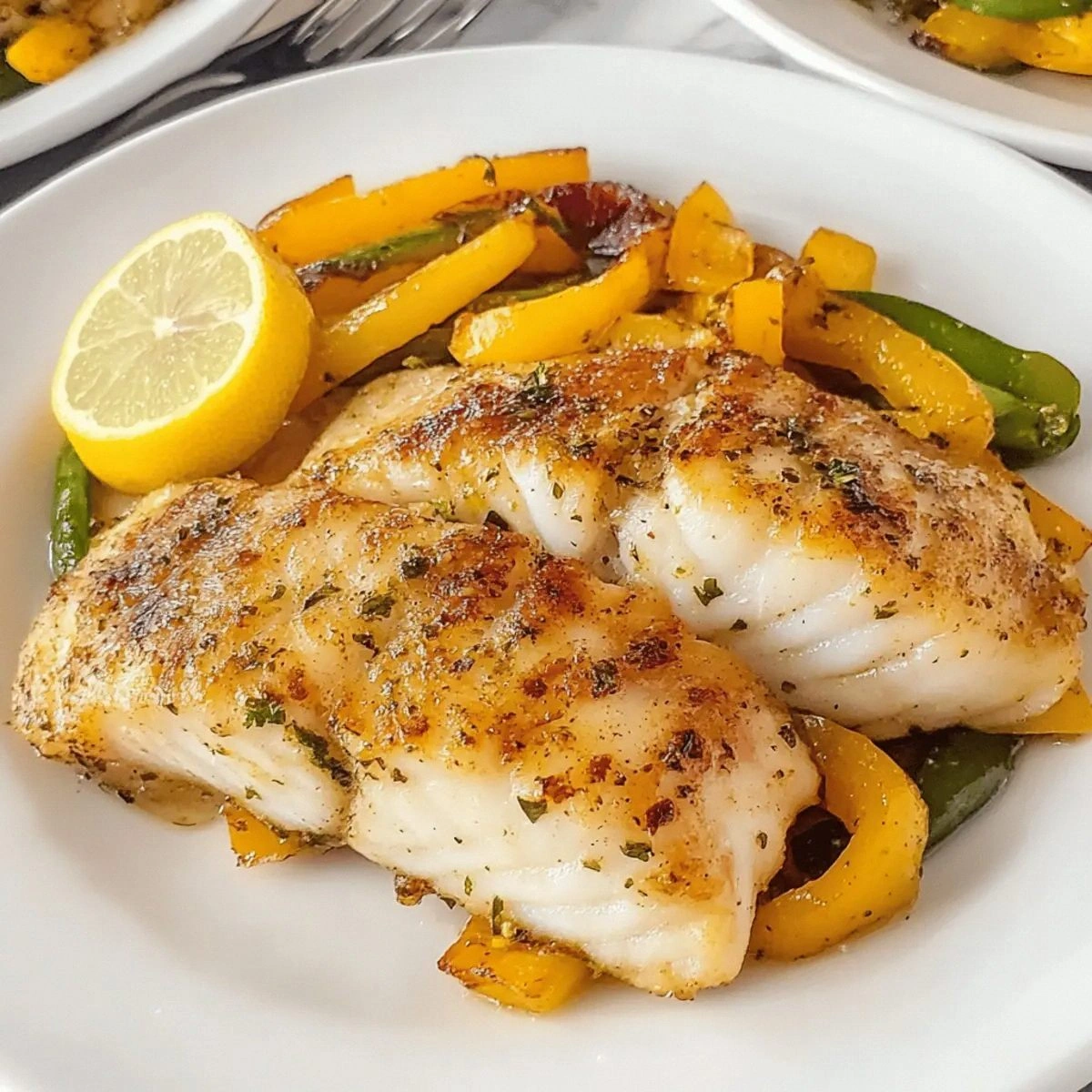
The first time I set the cod in the oven, the kitchen filled with a citrusy perfume that made my mouth water before the fish even touched the heat. The sound of the oven door closing was a low thud, but the anticipation built to a crescendo as the timer ticked down. When the timer beeped, I lifted the tray and the golden crust glistened like a polished shell, and a faint steam rose, carrying the aroma of fresh parsley and thyme. I sliced a fillet, and the flesh separated cleanly, revealing a pale, moist interior that promised tenderness. The first bite was a bright, zesty explosion that left the palate tingling—no fishy aftertaste, just pure, clean flavor that made me swear, “I dare you to taste this and not go back for seconds.”
What set this version apart from the countless “lemon cod” recipes I’d seen before was its meticulous balance of acidity, herbaceousness, and a subtle oil coating that kept the fish from drying out. The lemon zest was not merely a garnish; it infused the oil, turning it into a bright, citrusy glaze that clung to every crevice. The fresh dill added a pop of green that cut through the richness of olive oil, while the garlic provided a mellow, sweet backbone that didn’t overpower. The method itself—baking at a high temperature for a short time—ensured the fillets cooked evenly, preserving their delicate texture. Most importantly, the recipe’s simplicity—no fancy sauces, no complicated prep—made it a go-to for busy weeknights.
And that’s why this dish is a staple in my kitchen: it’s hands down the best version you’ll ever make at home, and it’s so quick that it feels like a luxury. I’ll be honest—by the time I finished the first batch, I had already eaten half of it before anyone else got a chance to taste it. If you’ve ever struggled with cod turning out rubbery or bland, you’re not alone, and I’ve got the fix. Picture yourself pulling this out of the oven, the whole kitchen smelling incredible, and the plate looking like something straight out of a Michelin‑star menu. Let me walk you through every single step—by the end, you’ll wonder how you ever made it any other way.
What Makes This Version Stand Out
- Flavor: The bright lemon juice and zest give a clean, citrusy punch that lifts the mild cod, while the herbs add depth without masking the fish’s natural taste.
- Texture: Baking at 400°F creates a crisp, caramelized crust that cracks with every bite, yet the interior remains buttery and flaky.
- Speed: From prep to plate takes less than an hour, making it a perfect quick‑fire dinner for busy evenings.
- Visual Appeal: The vibrant green of parsley and dill against the pale cod makes the dish Instagram‑ready.
- Versatility: The base can be dressed up with different herbs, citrus, or even a splash of white wine for a gourmet twist.
- Health: Low in calories, high in protein, and packed with omega‑3 fatty acids from the cod and olive oil.
Alright, let’s break down exactly what goes into this masterpiece. The secret lies in the harmony of simple ingredients and precise timing.
Inside the Ingredient List
The Flavor Base
Lemon juice and zest are the cornerstone of this recipe. The juice adds brightness, while the zest releases essential oils that cling to the fish, delivering a punch of citrus that lingers after every bite. If you skip the zest, the dish will still be good, but it will feel a bit flat—think of it like a song missing its final chorus.
The Texture Crew
Olive oil is the unsung hero that keeps the cod moist. It coats each fillet, creating a protective barrier that prevents the delicate flesh from drying out during the high‑heat bake. A pinch of salt and a dash of black pepper are the seasoning duo that enhances every other component, turning simple into sublime.
The Unexpected Star
Fresh dill is the secret weapon that adds a green, slightly piney note that balances the citrus. It’s not just a garnish; it’s a flavor layer that plays against the lemon, creating a nuanced profile. If you’re allergic to dill, try a splash of chopped chives for a milder twist.
The Final Flourish
Garlic, minced into thin slices, provides a sweet, mellow backbone that doesn’t overpower the fish but adds a comforting depth. The parsley, chopped finely, offers a fresh, peppery finish that brightens the plate and adds a pop of color. Together, these herbs form a symphony that makes the dish feel complete.
Everything’s prepped? Good. Let’s get into the real action.
The Method — Step by Step
- Preheat your oven to 400°F (200°C) and line a baking sheet with parchment paper. A preheated surface ensures even heat distribution and a crisp crust. If you’re using a metal tray, lightly oil it to prevent sticking. This step is critical—no one wants a soggy bottom. The timer should be set for 15 minutes to keep the fish from overcooking.
- While the oven warms, pat the cod fillets dry with paper towels. Moisture is the enemy of crispness; drying the surface creates a better sear. Season both sides with salt and pepper, letting the salt draw out a bit of moisture for better flavor. If you’re feeling fancy, add a pinch of paprika for a subtle smokiness.
- In a small bowl, whisk together the lemon juice, zest, olive oil, minced garlic, chopped parsley, and thyme. The mixture should have a light, slightly glossy consistency. This blend is the flavor matrix that will coat each fillet and infuse it with citrusy, herbal brightness. Toss the fillets gently in the mixture, ensuring an even coating.
- Place the seasoned fillets on the prepared baking sheet, skin side down if your fillets have skin. The skin acts as a natural shield, preserving moisture and adding a subtle crispness. Arrange them so they’re not touching; airflow around each piece is essential for an even bake. If you’re short on time, skip this step—just lay them straight on the sheet.
- Slide the sheet into the preheated oven and bake for 12–14 minutes, depending on the thickness of the fillets. The fish should be opaque and flake easily with a fork. The edges will start to pull away slightly, indicating that the crust is forming. If you like a crispier finish, broil for an additional 1–2 minutes—watch it closely.
- Remove the tray from the oven and let the fillets rest for 2 minutes. Resting allows the juices to redistribute, ensuring every bite is moist. While resting, drizzle a thin line of the leftover lemon‑herb mixture over the fillets for an extra layer of flavor. This is the moment of truth—your dish should smell toasty, bright, and utterly irresistible.
- Squeeze fresh lemon wedges over each fillet, adding a burst of acidity that cuts through the richness of the olive oil. The wedges also provide a visual pop of color, making the plate look as good as it tastes. If you prefer a milder citrus note, replace the wedges with a few thin lemon slices placed on top of the fish.
- Serve immediately, garnished with a handful of chopped fresh dill and a drizzle of olive oil if desired. Pair it with a light salad, steamed vegetables, or a simple quinoa pilaf for a balanced meal. The dish is so versatile that it can be plated as a main course or served as an elegant appetizer for guests. And that’s it—you did it. But hold on, I’ve got a few more tricks that will take this to another level.
Insider Tricks for Flawless Results
The Temperature Rule Nobody Follows
Many cooks assume that a lower oven temperature will keep the fish moist, but that’s a myth. Baking at 400°F (200°C) for a short period creates a caramelized crust while preserving the interior’s moisture. If you’re using a convection oven, reduce the temperature by 25°F to avoid over‑browning. Always preheat the oven for at least 10 minutes to ensure consistent results.
Why Your Nose Knows Best
Your sense of smell is a reliable indicator of doneness. When the cod is finished, the aroma should be bright and citrusy, with a faint, sweet undertone of garlic. If the scent feels heavy or fishy, it’s a sign that the fish needs more time. Trust your nose—cooking is as much intuition as it is science.
The 5-Minute Rest That Changes Everything
Letting the fish rest for 2–5 minutes after baking allows the juices to redistribute, preventing a dry mouthfeel. During this brief pause, the fillets finish cooking through residual heat, so you can remove them from the oven slightly early if you’re tight on time. Think of it as a quick cool‑down before the final performance.
The Power of Fresh Herbs
Fresh herbs deliver a brightness that dried ones cannot. They also add a subtle green note that balances the acidity of lemon. If you’re out of fresh parsley or dill, consider using basil or mint for a different flavor profile. The key is to add herbs at the end of cooking to preserve their aroma.
The Secret of Lemon Zest
Lemon zest contains essential oils that give the dish its bright, aromatic quality. Use a microplane or a fine grater to avoid bitter white pith. If you don’t have a zest, a tablespoon of lemon juice can substitute, but the flavor will be slightly less vibrant. Always zest before juicing to capture the oils.
Creative Twists and Variations
This recipe is a playground. Here are some of my favorite ways to switch things up:
Spicy Cajun Cod
Swap the fresh thyme for a pinch of cajun seasoning and add a dash of hot sauce to the lemon mixture. The result is a smoky, spicy profile that pairs well with a cooling cucumber salad. Great for those who like a kick in their dinner.
Mediterranean Citrus Cod
Add a splash of white wine to the lemon mixture and sprinkle chopped Kalamata olives and capers over the fillets before baking. The briny olives and tangy capers give the dish a distinctly Mediterranean flavor that’s both bold and refreshing.
Herb Crusted Cod
Coat the fillets with a mixture of breadcrumbs, grated Parmesan, and chopped herbs before baking. The crust adds crunch and depth, turning the dish into a hearty main course. Serve over a bed of creamy polenta for a comforting meal.
Asian-Inspired Cod
Replace the lemon with lime juice and add a tablespoon of soy sauce and a drizzle of sesame oil to the herb mix. Finish with a sprinkle of toasted sesame seeds and sliced scallions. This version offers an umami-rich, citrusy twist that’s perfect for a quick Asian-inspired dinner.
Smoky Chipotle Cod
Stir in a teaspoon of chipotle in adobo sauce into the lemon mixture for a smoky, mildly spicy flavor. Pair it with a cilantro lime rice and black beans for a Tex‑Mex feel. The smoky undertones elevate the dish beyond simple lemon cod.
Pesto-Infused Cod
Replace half of the olive oil with basil pesto and add a handful of pine nuts for crunch. The pesto gives the fish a rich, aromatic base that pairs beautifully with a side of roasted asparagus. This variation feels like a gourmet dinner without the fuss.
Storing and Bringing It Back to Life
Fridge Storage
Store cooked cod in an airtight container in the refrigerator for up to 2 days. Place a paper towel in the container to absorb excess moisture, preventing the fish from becoming soggy. When ready to eat, reheat in a skillet with a splash of olive oil over medium heat until warmed through.
Freezer Friendly
Freeze the fillets in a single layer on a parchment-lined tray before transferring to a freezer bag. This prevents them from sticking together. Cook directly from frozen by baking at 400°F for 20–22 minutes, or until the internal temperature reaches 145°F. The texture remains flaky and moist.
Best Reheating Method
Reheat the cod in a preheated oven at 300°F (150°C) for 10 minutes, or until warm. Add a splash of water or broth before reheating to create steam that keeps the fish moist. Finish with a quick squeeze of fresh lemon to restore brightness and aroma.