Okay, ready for the game‑changer? Let me walk you through every single step—by the end, you’ll wonder how you ever made it any other way.
What Makes This Version Stand Out
- Texture: The avocado is blended into a silky sauce that coats each grain of rice, creating a mouth‑watering creaminess that rivals dairy‑based risottos. This technique eliminates the need for heavy cream, keeping the dish light yet indulgent.
- Flavor: A splash of white wine and a squeeze of fresh lemon brighten the dish, while the Italian seasoning adds depth. The result is a vibrant, layered flavor profile that sings on the palate.
- Convenience: Every ingredient is on hand in a typical pantry or produce aisle, and the cooking time is under an hour. No special equipment or exotic spices required.
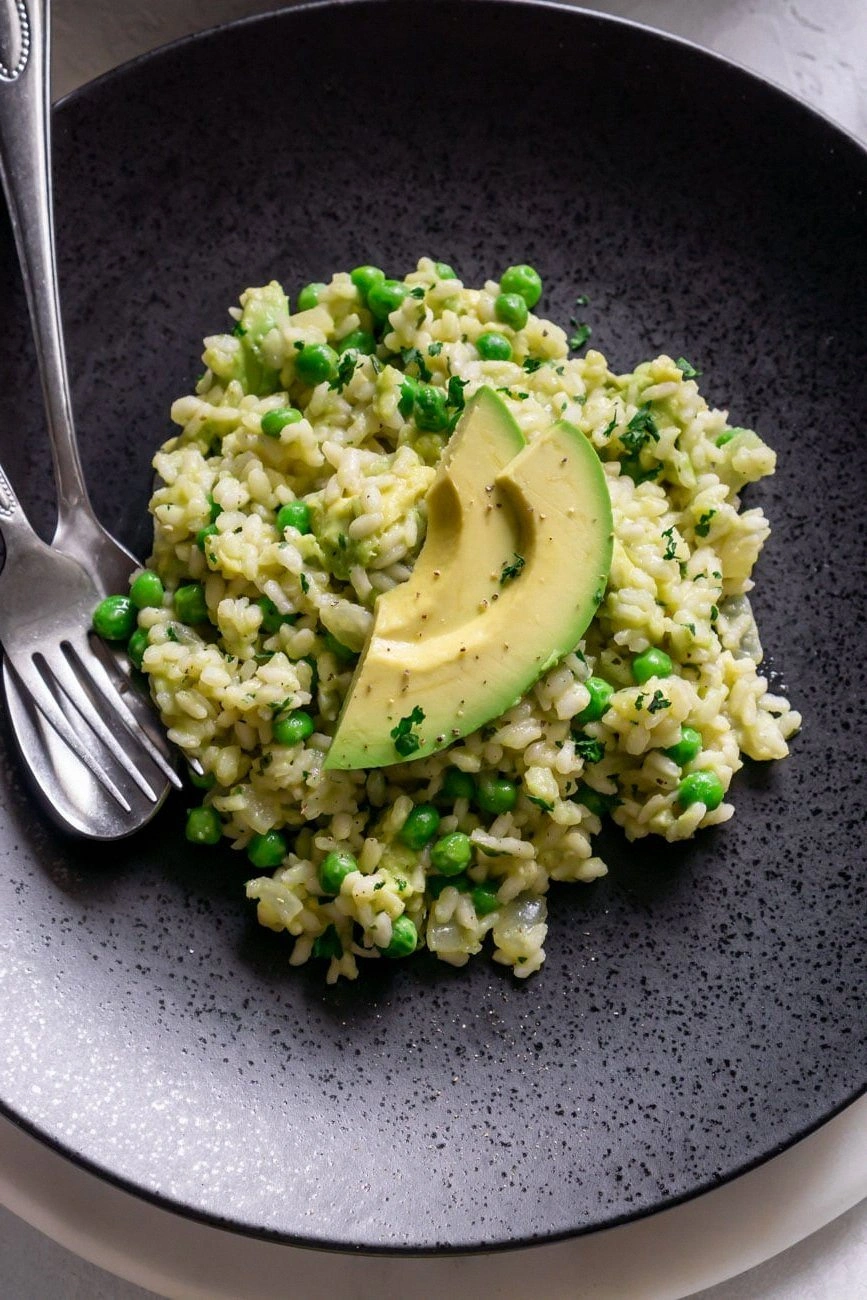
- Visual Appeal: The green avocado swirl and pop of peas create a striking contrast against the golden risotto, making it Instagram‑ready. It’s a dish that looks as good as it tastes.
- Health: Packed with healthy fats from avocado, fiber from peas, and protein from arborio rice, this risotto is a balanced meal that satisfies without guilt.
- Versatility: Serve it as a main course, a side dish, or a starter. The flavors adapt beautifully to different occasions—from a casual weeknight dinner to a sophisticated dinner party.
Alright, let’s break down exactly what goes into this masterpiece…
Inside the Ingredient List
The Flavor Base
The foundation of this risotto is the aromatic base of onions, garlic, and olive oil. The onions release a natural sweetness when gently caramelized, while the garlic adds depth and a subtle heat. Olive oil is the medium that brings everything together, creating a smooth canvas for the rice. If you skip the onions, the dish loses its sweet undertone, and the risotto feels flat. Swap the olive oil for avocado oil if you want a slightly different flavor profile—both oils are heart‑healthy and have high smoke points.
The Texture Crew
Arborio rice is the star of the show, known for its high starch content that turns the risotto into a creamy delight. The frozen peas add a pop of color and a sweet bite that contrasts beautifully with the avocado. The vegetable broth, heated and kept warm, is the liquid that slowly dissolves the starch, creating that signature silky texture. If you substitute the broth with water, the risotto will lack depth and flavor.
The Unexpected Star
Avocado is the unexpected star that transforms this dish into a plant‑based masterpiece. Its creamy, buttery texture replaces the need for dairy, while its subtle, nutty flavor adds a layer of complexity. When blended at the end, the avocado creates a sauce that coats each grain without overpowering the delicate balance of flavors. If you’re allergic to avocado, a handful of cashew cream is an excellent substitute.
The Final Flourish
Fresh parsley and a squeeze of lemon juice brighten the dish, adding a burst of freshness that cuts through the richness. The Italian seasoning brings an aromatic depth that ties the flavors together. A pinch of salt and pepper to taste ensures the dish is perfectly balanced. If you prefer a peppery kick, add a dash of crushed red pepper flakes during the final stir.
Everything's prepped? Good. Let's get into the real action…
The Method — Step by Step
- Heat a large, heavy‑bottomed saucepan over medium heat and drizzle in 2 tablespoons of olive oil. Add the finely diced half‑large yellow onion and sauté until translucent and slightly golden, about 4–5 minutes. The onion should soften without burning, releasing a sweet aroma that signals you’re on the right track.
- Add the minced garlic cloves and cook for an additional 30 seconds, just until fragrant. Be careful not to let it brown; you want a bright, clean garlic flavor that sets the stage for the rest of the dish.
- Stir in the arborio rice, ensuring each grain is coated with oil and toasted for about 2 minutes. The edges of the rice should start to turn translucent, a sign that the rice is ready to absorb liquid.
- Pour in 1/4 cup of white wine, letting it simmer until most of the liquid evaporates. The wine adds acidity and depth; it should leave a subtle hint of citrus on the palate.
- Begin adding the warm vegetable broth, one ladle at a time, stirring constantly. Wait until the liquid is almost fully absorbed before adding the next ladle. This slow, steady process is what gives risotto its signature creaminess.
- Halfway through the broth addition, stir in the frozen peas and 1/2 tablespoon of Italian seasoning. The peas will soften and release a sweet burst that complements the avocado’s richness.
- When the rice is al dente—tender yet still slightly firm in the center—remove the pot from heat. Let it rest for a minute; this helps the rice finish cooking and the flavors to meld.
- Meanwhile, halve the avocados, remove the pits, and scoop the flesh into a blender or food processor. Add 1 tablespoon of lemon juice and blend until smooth. The lemon not only brightens but also prevents the avocado from oxidizing.
- Return the pot to low heat, pour in the blended avocado, and stir vigorously until the sauce coats the rice. The risotto should become glossy and silky, with the avocado swirling like a green river.
- Finish with a sprinkle of fresh parsley, a pinch of salt, and pepper to taste. Serve immediately, optionally with a drizzle of extra virgin olive oil or a squeeze of lemon for that final pop.
That’s it—you did it. But hold on, I’ve got a few more tricks that'll take this to another level…
Insider Tricks for Flawless Results
The Temperature Rule Nobody Follows
Keep the broth warm, not boiling. A gentle simmer ensures the rice releases starch slowly, creating that luscious creaminess. I once let the broth boil and ended up with a dry, clumpy risotto—don’t make that mistake.
Why Your Nose Knows Best
Smell the risotto as it cooks. When the aroma turns from raw rice to a nutty, buttery scent, it’s a cue that the rice is perfectly al dente. Trust your nose; it’s the best judge of doneness.
The 5-Minute Rest That Changes Everything
Let the risotto sit off the heat for 5 minutes after adding the avocado. This short rest allows the flavors to marry and the sauce to thicken to the ideal consistency.
The Secret of Fresh Parsley
Finely chop the parsley just before serving. This keeps the green bright and prevents the herb from wilting into a dull green paste.
The Perfect Lemon Balance
Add lemon juice in two stages: once with the avocado and once at the end. This layered citrus note keeps the dish bright without overwhelming the creamy base.
Creative Twists and Variations
This recipe is a playground. Here are some of my favorite ways to switch things up:
Sun‑Dried Tomato Explosion
Fold in a handful of chopped sun‑dried tomatoes for a tangy, chewy burst. This variation adds a Mediterranean flair that pairs wonderfully with the avocado.
Mushroom Medley
Sauté sliced shiitake or cremini mushrooms with the onions for an earthy undertone. The umami richness complements the creamy avocado sauce.
Spicy Kick
Add a pinch of cayenne pepper or a splash of sriracha when stirring in the avocado. The heat balances the richness and adds a playful contrast.
Herb Garden Boost
Swap parsley for basil or cilantro to create a fresh, aromatic finish. Each herb brings its own personality to the dish.
Nutty Crunch
Top the risotto with toasted pine nuts or slivered almonds for a delightful crunch. The nutty flavor pairs beautifully with the creamy avocado.
Storing and Bringing It Back to Life
Fridge Storage
Store leftovers in an airtight container for up to 3 days. Keep the risotto in the fridge, and it will stay creamy and flavorful.
Freezer Friendly
Freeze in a freezer‑safe container for up to 2 months. Thaw overnight in the fridge before reheating.
Best Reheating Method
Reheat gently over low heat, adding a splash of vegetable broth or water to loosen the sauce. This tiny splash of liquid restores the risotto’s silky texture.