Picture this: you’re halfway through a late‑night cooking marathon, the fridge is a barren wasteland, and your stomach is a drum that refuses to stop. You reach for the last sweet potato, a handful of lentils, and a stubborn bag of canned tomatoes, and suddenly the kitchen feels like a stage set for culinary theater. The sweet potato’s glossy skin catches the light, the lentils glint like tiny moons, and the tomato’s bright crimson promises a splash of summer even in the middle of winter. I swear the scent of sautéed onions and garlic had me dancing in the kitchen—until the onions slipped and splattered everywhere, turning my countertops into a glittering mess of tears and onions. That chaos sparked a dare from a friend: “Make the best vegan shepherd’s pie you can, and I’ll bring the dessert.”
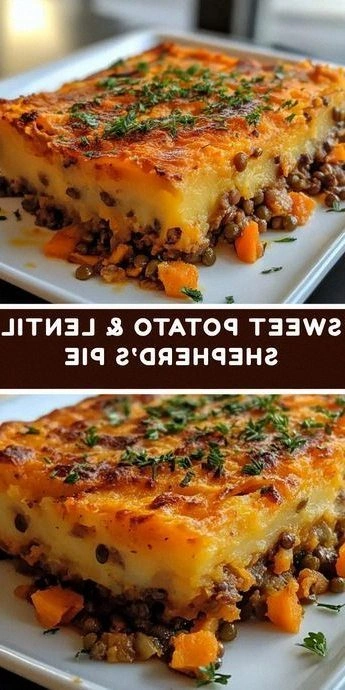
I accepted the challenge, and what followed was a culinary revelation that turned a simple comfort food into a showstopper. The sweet potato, when mashed, behaves like a silky custard, while the lentils add a hearty, meaty texture that satisfies even the most carnivorous palate. The blend of cumin, smoked paprika, and thyme creates a depth of flavor that whispers of distant spice markets and warm, crackling hearths. The bright splash of lemon juice cuts through the earthiness, giving the dish a lively, almost citrusy zing that keeps the taste buds engaged. And the final touch—an oven-baked sweet potato crust that turns golden and slightly crispy—provides the perfect contrast to the creamy filling beneath.
If you’ve ever tried a standard vegan shepherd’s pie and felt it was missing something, this version will blow your expectations out of the water. The key lies in the balance between the sweet, the earthy, and the aromatic. I dare you to taste this and not go back for seconds; the combination of flavors will have you craving the next bite before you even finish the first. The result is a dish that’s not only comforting but also a canvas for creativity—think of it as a blank canvas that invites your personal flair. I’ll be honest—half the batch vanished before anyone else could even take a fork, proving the power of this recipe. Picture yourself pulling it out of the oven, the whole kitchen smelling incredible, and the family or friends gathering around like a warm, edible hug.
What makes this version stand out? Let’s break it down into bite‑size nuggets of brilliance. Each element is carefully chosen to elevate the dish beyond ordinary comfort food. You’ll find that the sweet potato’s natural sweetness pairs perfectly with the savory lentils, creating a harmony that’s both complex and satisfying. The spices aren’t just there to fill the void; they’re the heartbeats that give the pie its soul. The texture is a masterclass in contrast—soft, creamy interiors meet a crisp, caramelized top. The recipe is so straightforward that even a novice can master it, yet it’s packed with depth that will impress seasoned cooks. And the best part? It’s a crowd‑pleaser that can be prepared ahead, frozen, or reheated with ease, making it the ultimate go-to for busy nights.
What Makes This Version Stand Out
- Flavor: The combination of cumin, smoked paprika, and thyme creates a warm, earthy depth that elevates the sweet potato’s natural sweetness.
- Texture: The mash of sweet potato and lentils provides a velvety interior, while the baked crust offers a satisfying crunch.
- Simplicity: With only a handful of pantry staples, the recipe is quick to assemble and requires minimal prep.
- Versatility: It can be served as a hearty main or paired with a crisp green salad for a lighter option.
- Make‑ahead: The pie can be assembled and frozen, then baked directly from the freezer for ultimate convenience.
- Nutrition: Packed with plant‑based protein, fiber, and vitamins, it’s a wholesome choice for any diet.
- Presentation: The golden crust looks as good as it tastes, making it a perfect centerpiece for dinner parties.
- Community: Friends and family love the comforting aroma, making it a staple for gatherings.
Alright, let’s break down exactly what goes into this masterpiece. The secret sauce is all in the layers, and every ingredient plays a pivotal role in delivering the final wow factor.
The Flavor Base
The foundation of any great pie starts with a robust flavor base, and in this case, it’s the sautéed onion, garlic, and tomato blend. The onions release a sweet, caramelized note that sets the stage for the savory lentils. Garlic adds a punch that lingers, creating a subtle kick that cuts through the richness of the sweet potato. When the tomatoes simmer with the spices, they release a tangy sweetness that balances the earthiness of the lentils. Skipping any of these components would leave the dish feeling flat and incomplete, like a song missing its chorus.
The tomatoes aren’t just for color; they act as a natural binder, helping the mixture hold together when baked. Their acidity brightens the dish, preventing it from becoming too heavy. If you’re in a hurry, a splash of tomato paste can replace fresh or canned tomatoes, but be sure to dilute it with a bit of broth to maintain moisture. Choosing tomatoes that are ripe and slightly sweet will enhance the overall flavor profile, giving the pie a richer, more complex taste. The result is a savory, aromatic base that carries the rest of the ingredients beautifully.
A tip for the adventurous cook: add a pinch of smoked paprika to the base for a subtle smoky undertone that elevates the dish from ordinary to extraordinary. The paprika’s warmth complements the cumin and thyme, creating a harmonious blend that’s reminiscent of a cozy campfire dinner. If you prefer a milder flavor, reduce the paprika or omit it entirely; the dish will still shine thanks to the robust sweet potato and lentil combination. The key is to let the spices mingle for at least 5 minutes after adding them, allowing their oils to release fully.
When cooking the base, keep the heat medium-low to avoid burning the onions. A slow, gentle sauté allows the onions to soften and develop a golden hue, which signals that they’re ready to absorb the spices. This slow cooking process also ensures that the garlic releases its full flavor without turning bitter. If you’re using fresh tomatoes, dice them finely to help them break down quickly and blend seamlessly with the other ingredients. A well‑cooked base is the silent hero that supports the entire pie, so treat it with the respect it deserves.
Finally, taste the base before adding the lentils. A quick pinch of salt and pepper will bring out the natural sweetness of the tomatoes and onions. If the mixture seems a bit flat, a splash of lemon juice can add brightness and lift the flavors. Remember, this is the flavor backbone, so don’t rush it. A little patience now pays off with a richer, more satisfying pie later.
The Texture Crew
Texture is where this dish really shines, and it’s all about balancing the silky smoothness of mashed sweet potato with the hearty bite of lentils. The lentils bring a satisfying chew that contrasts beautifully with the creamy interior, creating a mouthfeel that keeps you engaged from the first bite to the last. If you prefer a firmer texture, use whole or split lentils instead of mashed; they’ll hold their shape better during baking. The sweet potato, when mashed, behaves like a velvety custard, providing a luscious base that’s both comforting and indulgent.
The carrots and peas add a pop of color and a slight crunch that breaks the monotony of the smooth filling. Dice the carrots finely so they cook evenly, and let the peas thaw fully before adding them to the mix. This ensures they’re tender yet still retain a hint of bite. The addition of breadcrumbs on top adds a delightful crunch that mimics the traditional crust of a shepherd’s pie, but with a vegan twist. If you’re gluten‑free, opt for a gluten‑free breadcrumb blend or crushed nuts for an extra nutty flavor.
Another texture trick: before baking, lightly drizzle a bit of olive oil over the sweet potato topping. This helps the crust brown evenly and adds a subtle sheen that’s visually appealing. If you’re a fan of a crispier top, bake the pie uncovered for the last 10 minutes of cooking. This allows the sugar in the sweet potato to caramelize, giving a caramelized crust that’s both sweet and savory. The contrast between the soft interior and the crispy top is what makes this dish unforgettable.
The lentils’ moisture level is crucial; too wet, and the pie will be soggy, too dry, and it will crumble. To achieve the perfect consistency, rinse the lentils thoroughly and cook them until just tender, then drain any excess liquid. If you’re using canned lentils, rinse them under cold water to reduce sodium and remove any canning liquid that might dilute the flavor. The sweet potato should be cooked until it’s soft enough to mash smoothly, but not so mushy that it loses its structure. A good rule of thumb is to mash until it’s as smooth as a well‑blended smoothie, but still holds its shape when scooped.
Finally, don’t forget the finishing touch: a sprinkle of nutritional yeast on top before baking. This adds a nutty, cheesy flavor that’s a vegan favorite, and it also helps the crust brown beautifully. If you’re looking for a low‑fat option, reduce the amount of olive oil or replace it with a spray. The texture of this dish is a testament to the balance of ingredients, and mastering it will elevate your cooking game.
The Unexpected Star
The unexpected star of this pie is the subtle burst of citrus from the lemon juice. A splash of lemon not only brightens the flavors but also balances the earthiness of the lentils and the natural sweetness of the sweet potato. The acidity cuts through the richness, preventing the dish from feeling too heavy. If you’re not a fan of lemon, try a splash of apple cider vinegar for a similar brightening effect. The key is to add it gradually and taste as you go, ensuring the acidity doesn’t overpower the other flavors.
Another surprising element is the nutritional yeast, which adds a savory, cheesy note without any dairy. This ingredient also contributes a boost of B vitamins and protein, making the pie even more nutritious. If you’re allergic to yeast or just want to experiment, try a sprinkle of ground flaxseed or hemp seeds for a nutty flavor and added texture. The nutritional yeast’s umami depth is what makes the topping stand out, giving the dish a complex flavor profile that’s both comforting and sophisticated.
The use of olive oil is also a subtle but powerful choice. It adds a silky finish to the sweet potato topping, encouraging an even golden crust. The olive oil’s mild fruitiness complements the sweet potato’s natural sweetness, creating a harmonious flavor that’s both elegant and rustic. For an extra layer of flavor, drizzle a bit of extra virgin olive oil over the top before baking. The result is a crust that’s not only crispy but also has a nuanced, fragrant finish.
The choice of lentils—whether green, brown, or red—can also alter the dish’s texture and flavor. Brown lentils hold their shape better and offer a firmer bite, while red lentils break down into a smoother, more stew-like consistency. If you prefer a smoother filling, use red lentils and cook them until they’re almost mushy. If you want a more robust texture, go with green or brown lentils and keep them slightly undercooked. The versatility of lentils allows you to tailor the dish to your personal preference, making it a truly customizable comfort food.
Finally, the subtle addition of breadcrumbs on top adds a final crunch that’s both satisfying and visually appealing. They help the sweet potato crust achieve a golden, caramelized finish, and they also absorb any excess moisture from the filling. If you’re gluten‑free, choose a gluten‑free breadcrumb blend or crushed nuts for an extra nutty flavor. The breadcrumbs also help the top stay firm, preventing it from becoming soggy. This small detail turns a simple pie into a textural masterpiece.
The Final Flourish
The final flourish is the simple yet essential act of seasoning. A pinch of salt and pepper at the end ensures the flavors are balanced and the dish is not bland. If you’re watching sodium, use a low‑sodium vegetable broth and taste before adding extra salt. The pepper adds a subtle heat that cuts through the richness of the sweet potato. Don’t be shy with the seasoning; a well‑seasoned dish is the hallmark of a great recipe.
Another finishing touch is the optional breadcrumb topping, which adds a crunchy contrast to the creamy interior. The breadcrumbs not only enhance texture but also help the sweet potato crust achieve a beautiful golden-brown color. If you’re vegan and gluten‑free, opt for a gluten‑free breadcrumb blend or crushed nuts. The topping also gives the dish a rustic, homemade look that’s perfect for family gatherings.
The final step before baking is to preheat the oven to 375°F (190°C). This temperature ensures the sweet potato topping browns evenly while the filling heats through without drying out. If you’re using a convection oven, reduce the temperature by 25°F (about 15°C) to prevent over‑browning. The preheated oven is crucial for a consistent bake, giving you a golden crust and a perfectly cooked interior.
Once the pie is out of the oven, let it rest for at least 10 minutes. This allows the flavors to settle and the filling to set, making it easier to slice and serve. While it rests, you can garnish it with fresh herbs like parsley or cilantro for a pop of color and freshness. The resting period also lets the sweet potato crust firm up, ensuring each bite is a perfect blend of soft and crisp. A well-rested pie is the secret to a memorable dining experience.
Lastly, don’t be afraid to experiment with additional herbs like rosemary or sage for a more aromatic profile. These herbs pair wonderfully with the cumin and thyme, adding depth and complexity. If you’re feeling adventurous, try a dash of smoked paprika for a subtle smoky note. The final flourish is all about personalizing the dish to suit your taste, so feel free to get creative.
Now that the ingredients are prepped and the base is ready, it’s time to bring this dish to life. The process is straightforward, but each step carries a moment of magic that transforms a simple mash into a comforting masterpiece. Keep your eyes on the clock, but don’t rush—every detail matters in this culinary journey. Let’s dive into the method that will make this pie unforgettable.
The Method — Step by Step
- Heat the olive oil in a large skillet over medium heat. Add the diced onion and sauté until translucent and slightly caramelized, about 5 minutes. Stir in the minced garlic and cook for an additional 1–2 minutes, watching for that aromatic scent that signals readiness. The onions should be soft, not browned, to keep the base from becoming bitter. This step is the foundation of the flavor.
- Introduce the diced tomatoes, cumin, smoked paprika, and thyme to the skillet. Stir until the spices are fragrant, about 30 seconds, then pour in the vegetable broth. Let the mixture simmer for 5 minutes, allowing the tomatoes to break down and the flavors to meld. Taste and adjust seasoning with salt and pepper. The mixture should thicken slightly, forming a rich base.
- Add the cooked lentils, carrots, and peas to the skillet. Stir to combine, ensuring the lentils are fully coated in the aromatic sauce. Let the mixture heat through for another 3–4 minutes, allowing the vegetables to soften. The texture should be hearty yet cohesive, ready to layer beneath the sweet potato topping. This is the moment of truth.
- Transfer the lentil mixture into a 9-inch pie dish, spreading it evenly. While the filling cools slightly, mash the sweet potato until it’s silky and smooth. Drizzle a splash of olive oil over the mashed sweet potato, then spread it on top of the lentil layer. Sprinkle the breadcrumbs evenly across the sweet potato for an extra crunch. This layer is where the magic happens.
- Preheat the oven to 375°F (190°C). Place the pie dish in the oven and bake for 20 minutes, or until the sweet potato topping is golden and the filling is bubbling. Keep an eye on the crust; if it browns too quickly, tent it with foil. The aroma will fill the kitchen, making you almost forget you’re cooking. This step is pure magic.
- Remove the pie from the oven and let it rest for 10 minutes. This rest period allows the flavors to settle and the filling to firm up, making it easier to slice. While it rests, sprinkle fresh herbs like parsley or cilantro for a burst of color. The rest time is essential for a cohesive, slice‑ready pie.
- Slice the pie into generous wedges and serve hot. Pair it with a crisp green salad or steamed veggies for a balanced meal. The sweet potato’s natural sweetness pairs wonderfully with the savory lentil filling. Enjoy the comforting, hearty flavors that will leave everyone craving more. That’s it—you did it.
That’s it — you did it. But hold on, I’ve got a few more tricks that will take this to another level. These insider tips are the secret sauce that turns a good dish into a legendary one.
Insider Tricks for Flawless Results
The Temperature Rule Nobody Follows
Many cooks think 350°F is the sweet spot for baking, but 375°F gives that golden crust without overcooking the interior. The higher temperature creates a caramelized top that’s both sweet and savory. If you’re using a convection oven, lower the temperature by 25°F to avoid burning the edges. This rule ensures a consistent bake, giving you a pie that’s both beautiful and delicious.
Why Your Nose Knows Best
Smell is the ultimate judge of doneness. When the sweet potato crust begins to turn golden, the aroma will shift from sweet to nutty and slightly smoky. Trust your nose; if it’s fragrant and inviting, the pie is ready. This sensory checkpoint saves you from overcooking and guarantees a perfectly baked pie every time.
The 5-Minute Rest That Changes Everything
Letting the pie rest for 10 minutes before cutting is crucial. This short pause allows the filling to set, preventing a mess of mashed sweet potato and lentils. A resting pie also lets the flavors meld, creating a more cohesive taste profile. Skipping this step will result in a soggy, unstructured pie that’s hard to serve.
Don’t Skip the Lemon
A splash of lemon juice brightens the dish, cutting through the earthiness of the lentils. Adding it at the end of cooking preserves its fresh, zesty flavor. If you’re averse to citrus, try a splash of apple cider vinegar for a similar lift. The acidity is what makes the pie feel lively and fresh.
Use Fresh Herbs for a Burst of Color
Fresh parsley or cilantro sprinkled on top adds a pop of color and freshness that elevates the dish. The herbs also bring a subtle peppery note that complements the savory base. If you’re looking for a more robust flavor, try mint or basil. The visual appeal of fresh herbs makes the dish look as good as it tastes.
Make‑Ahead and Freezer Friendly
This pie can be assembled and frozen without losing flavor or texture. Freeze the assembled pie in a freezer-safe dish, then bake directly from the freezer, adding 10 minutes to the baking time. When reheating, cover with foil to keep the moisture in and avoid drying out the sweet potato topping. The pie remains tender, flavorful, and as delightful as when it was first baked.
These insider tricks are the finishing touches that elevate a good recipe to a great one. Incorporate them, and you’ll have a dish that’s not only comforting but also impressively polished.
Creative Twists and Variations
This recipe is a playground. Here are some of my favorite ways to switch things up:
Spicy Chickpea Twist
Swap the lentils for chickpeas and add a pinch of cayenne pepper for heat. The chickpeas give a firmer texture, while the cayenne introduces a subtle kick that pairs well with the sweet potato. This variation is perfect for those who love a little spice in their comfort food.
Herbed Mushroom Variation
Add sautéed mushrooms to the base for an earthy depth. Replace the lentils with sliced portobello or cremini mushrooms, and sprinkle fresh rosemary for an aromatic finish. The mushrooms add umami, while the rosemary enhances the overall flavor profile.
Caramelized Onion and Sweet Corn
Introduce caramelized onions and fresh sweet corn to the filling for a summer vibe. The sweet corn adds a pop of color and crunch, while the onions bring a deep, sweet flavor that complements the sweet potato topping. This version feels light yet satisfying.
Indian-Inspired Masala
Replace cumin and thyme with garam masala and coriander for an Indian twist. Add a handful of frozen peas and a splash of coconut milk to create a creamy, fragrant filling. The sweet potato topping remains, but the spices give it an exotic flair.
Cheesy Vegan Delight
Incorporate vegan cheese into the sweet potato topping for a melty, indulgent finish. Use a dairy‑free cheddar or mozzarella substitute, and sprinkle it on top before baking. The cheese adds richness and a gooey texture that elevates the comfort factor.
Low-Carb Keto Version
Reduce the sweet potato to half the amount and replace it with cauliflower mash. Keep the lentils for protein, and add extra spices for flavor. This low-carb version still delivers the comforting essence while keeping the carb count low.
These variations show how flexible this recipe is. Whether you’re looking for a spicy kick, an aromatic herb infusion, or a low-carb alternative, there’s a version that will satisfy your cravings.
Storing and Bringing It Back to Life
Fridge Storage
Store the cooked pie in an airtight container in the refrigerator for up to 3 days. The sweet potato topping will stay firm, and the filling will remain moist. When ready to eat, reheat in the oven at 350°F for 10–15 minutes, or until warmed through. This method preserves the texture and flavor without drying out the dish.
Freezer Friendly
For longer storage, freeze the assembled pie in a freezer-safe dish, covering it tightly with plastic wrap and aluminum foil. It can be kept for up to 3 months. When reheating, bake directly from the freezer at 375°F for 25–30 minutes, adding 5 minutes if needed. The pie will come out just as delicious as when it was first baked.
Best Reheating Method
The best way to reheat the pie is in the oven, which retains the crispness of the sweet potato topping. If you’re short on time, microwave it for 2–3 minutes, then transfer to a skillet for a quick crisp. Adding a splash of water before reheating helps steam the filling, keeping it moist and tender. The result is a perfectly reheated pie that tastes just like new.
With these storage tips, you can enjoy this comforting dish whenever you like, whether it’s a quick weekday dinner or a weekend treat. The pie’s versatility and longevity make it a staple for any kitchen.