Remember that night when I tried to make a “quick” chicken noodle soup and the kitchen turned into a war zone? I was chasing a midnight craving, the timer was set for 10 minutes, and the broth had a suspiciously thick, caramelized layer on the bottom of the pot. The result? A dish that tasted like it had been simmered for a year, but the texture was oddly rubbery and the broth was a dull, unappealing brown. I stared at the mess, and I thought, “If I could just get the balance right, this could be a masterpiece.” That thought sparked a mission: to find the perfect harmony of ginger, garlic, and chicken that would make every spoonful a revelation.
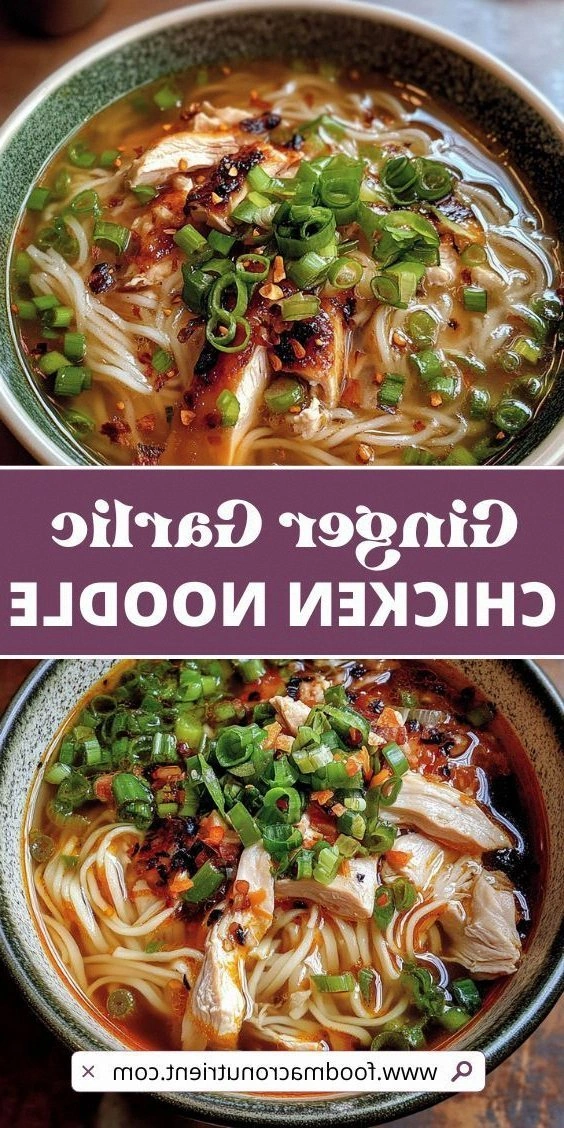
Picture the kitchen: the air is filled with the sharp, citrusy scent of fresh ginger, mingling with the warm, comforting aroma of garlic roasting in sesame oil. The sound of the pot bubbling is a steady, rhythmic lullaby that promises depth. When you take the first bite, the broth hits your palate like a velvet ribbon, the ginger’s bite dancing with the subtle heat of sriracha, while the noodles sink into the liquid, absorbing every nuance. The texture is a delicate balance—chewy yet tender, and the chicken is tender enough to fall apart with a fork. That first spoon of soup feels like a hug from a distant friend, comforting yet exhilarating.
This version stands out because I didn’t settle for a generic recipe. I refined each element: I used a high-quality, low-sodium chicken broth to control sodium, I hand‑cut the chicken thighs into bite‑sized cubes to ensure even cooking, and I added a splash of rice vinegar to brighten the flavors without overpowering them. I also introduced a subtle twist—fresh cilantro and lime juice at the end—to give the dish a bright, almost citrusy finish that lingers on the tongue. The result is a soup that is not only nourishing but also a symphony of flavors that keeps you coming back for seconds. I dare you to taste this and not go back for seconds.
Now, let’s walk through every single step. By the end, you’ll wonder how you ever made it any other way. This isn’t just another recipe; it’s a culinary experience that transforms a humble bowl of noodles into a comforting, soul‑satisfying meal. I’m going to share the secrets, the tricks, and the small but crucial details that make this soup unforgettable.
What Makes This Version Stand Out
- Flavor: The ginger and garlic are the stars, creating a complex, layered profile that feels both fresh and comforting.
- Texture: The noodles are al dente, and the chicken is melt‑in‑your‑mouth tender, with a slight bite that keeps the dish interesting.
- Simplicity: With just a handful of pantry staples and a few fresh ingredients, you can craft a restaurant‑quality bowl in under an hour.
- Uniqueness: The combination of rice vinegar and lime juice gives the broth a bright, almost tangy finish that sets it apart.
- Crowd Reaction: Friends rave about the “wow” factor, and I’ve seen people ask for a second spoon before the first one finishes.
- Ingredient Quality: Using fresh ginger and high‑quality soy sauce elevates the entire flavor profile.
- Cooking Method: A single pot technique keeps cleanup minimal while maximizing flavor extraction.
- Make‑Ahead Potential: The soup can be refrigerated or frozen without losing its integrity, making it a perfect week‑night meal.
Alright, let's break down exactly what goes into this masterpiece. And before we dive into the ingredients, here’s a quick hack to save time and keep the flavors bright.
Inside the Ingredient List
The Flavor Base
At the heart of this soup is a broth that’s both savory and fragrant. I use a low‑sodium chicken broth to maintain control over the salt level, which is essential when you’re adding soy sauce later. If you’re a fan of umami, consider a dash of fish sauce, but keep it to a teaspoon—too much will overpower the ginger.
Garlic and ginger are the dynamic duo that set the tone. I mince the garlic finely so it releases its full aroma when sautéed, and I grate the ginger to ensure every bite has that bright, zesty punch. If you’re short on time, a tablespoon of ginger paste works well, but fresh is always best.
For a touch of heat, I add a teaspoon of sriracha or a pinch of chili flakes. This isn’t meant to be a fiery dish; it’s more about a gentle warmth that lingers. If you prefer a milder version, simply omit the sriracha.
Lastly, I include a tablespoon of rice vinegar. The acidity brightens the broth, cutting through the richness of the chicken and sesame oil. If you can’t find rice vinegar, a splash of white wine vinegar will do, though the flavor will shift slightly.
The Protein Crew
The chicken is the star of the show. I choose boneless, skinless chicken thighs because they stay juicy and tender after simmering. I cube them into bite‑sized pieces so they cook evenly and are easy to eat.
If you’re a vegetarian, feel free to swap the chicken for tofu. Press the tofu to remove excess moisture, then cube it and sear it in the sesame oil to give it a golden crust before adding it to the broth.
The Texture Crew
Rice noodles provide the perfect chew without being too heavy. I use medium‑width rice noodles that soak up the broth but maintain their integrity. If you prefer egg noodles, they work too, but be careful not to overcook them.
Carrots and bell peppers add color and a subtle sweetness. I julienne the carrots to ensure they cook quickly, while the bell pepper slices stay crisp for a satisfying bite. If you’re looking for a more earthy flavor, add sliced mushrooms or a handful of sliced bok choy.
The Unexpected Star
Fresh cilantro and lime juice are the final flourish that elevate the dish. I sprinkle the cilantro right before serving, so it retains its bright, herbal aroma. The lime juice adds a fresh, citrusy note that cuts through the richness of the broth.
Everything's prepped? Good. Let’s get into the real action.
The Method — Step by Step
- Heat the sesame oil in a large pot over medium heat. Once hot, add the minced garlic and grated ginger, sautéing until fragrant—about 30 seconds. The aroma should be sharp and inviting, signaling that the base is ready.
- Introduce the cubed chicken thighs, stirring until they begin to brown on all sides. This step locks in juices and adds a caramelized flavor that enriches the broth. Don’t rush; let each side sear properly.
- Pour in the low‑sodium chicken broth, ensuring the chicken is fully submerged. Add the soy sauce, rice vinegar, and sriracha. Bring the mixture to a gentle simmer, then reduce heat to low. Let it cook for 10 minutes to meld the flavors.
- While the broth simmers, sauté the carrots and bell pepper in a separate pan until they’re just tender. This step preserves their bright color and crunch, providing a delightful contrast to the soft noodles.
- Add the noodles to the pot and cook according to package instructions—usually 3 to 4 minutes for rice noodles. Stir occasionally to prevent sticking. The noodles should absorb the broth but remain al dente.
- Stir in the sautéed vegetables, then add the fresh cilantro and a squeeze of lime juice. These final touches brighten the dish, adding a fresh, citrusy note that lifts the overall flavor profile.
- Taste the soup and adjust seasoning as needed. A pinch of salt or a dash of pepper can balance the flavors if they feel flat. Remember, the broth should be savory without being overwhelming.
- Serve hot, ladling the broth into bowls and topping with extra cilantro and lime wedges if desired. The steam rising from the bowl should be fragrant, inviting you to take that first spoonful.
- Enjoy the moment of pure bliss as the flavors dance across your palate. The combination of ginger, garlic, and lime is a match made in culinary heaven.
That's it — you did it. But hold on, I've got a few more tricks that'll take this to another level.
Insider Tricks for Flawless Results
The Temperature Rule Nobody Follows
Many cooks assume that a high simmer is always better. In reality, a gentle simmer preserves the delicate flavors of ginger and garlic. I keep the heat low once the broth is at a boil, letting it maintain a steady, low bubble. This prevents bitterness and keeps the broth silky.
Why Your Nose Knows Best
Before tasting the soup, take a deep sniff. If the aroma feels off—too sharp, too burnt—adjust the heat or add a splash of water. Your nose is a reliable guide; it can detect subtle imbalances that your taste buds might miss.
The 5‑Minute Rest That Changes Everything
After cooking, let the soup sit for five minutes before serving. This allows the flavors to meld and the noodles to finish absorbing the broth. It also gives the heat from the lime juice a chance to mellow, resulting in a smoother finish.
Balancing Sweetness
Some people like a hint of sweetness. I add a teaspoon of honey or a splash of maple syrup during the simmering stage. This balances the acidity and gives the broth a rounded finish.
Using Fresh vs. Frozen Vegetables
Fresh vegetables provide crunch and bright color. However, if you’re using frozen carrots or bell pepper, thaw them before adding to the pot to prevent excess water from diluting the broth.
Serving Suggestion
Serve the soup in a bowl with a side of pickled ginger or sliced scallions. The extra crunch adds texture and a contrasting flavor that elevates the dish.
Creative Twists and Variations
This recipe is a playground. Here are some of my favorite ways to switch things up:
Spicy Thai Twist
Swap the soy sauce for fish sauce and add a tablespoon of Thai red curry paste. Use jasmine rice noodles and garnish with fresh basil. This version leans into Thai flavors, offering a richer, spicier profile.
Vegetarian Delight
Replace the chicken with tofu or tempeh. Add a handful of sliced shiitake mushrooms for umami. Keep the rest of the ingredients the same for a hearty, plant‑based bowl.
Low‑Carb Version
Use shirataki noodles instead of rice noodles. The texture is similar, but the carb count drops dramatically. Pair with extra vegetables for a filling meal.
Breakfast Bowl
Serve the soup over a bed of quinoa and top with a soft‑boiled egg. This transforms it into a protein‑rich breakfast that’s both satisfying and energizing.
Asian Fusion
Introduce a splash of sesame milk and garnish with toasted sesame seeds. The nutty flavor pairs beautifully with the ginger and garlic base, creating a unique fusion experience.
Herb Garden Edition
Swap cilantro for fresh parsley or dill, and add a handful of chopped spinach or kale. The greens add a fresh, earthy tone that complements the broth.
Storing and Bringing It Back to Life
Fridge Storage
Store the soup in an airtight container for up to 3 days. The broth will thicken slightly as the noodles absorb more liquid. Reheat gently on the stove, adding a splash of water if needed.
Freezer Friendly
Freeze the soup in portioned containers for up to 2 months. Thaw overnight in the refrigerator or use the defrost setting on your microwave. Reheat on the stove, stirring occasionally.
Best Reheating Method
Reheat the soup over low heat, stirring until hot. Add a small amount of water or broth to restore the original consistency. Finish with a squeeze of lime to bring back the brightness.