I was standing in my kitchen, watching a disaster unfold—my friend’s gluten‑free spring rolls had turned into a soggy, flavorless mess. The rice paper wrappers collapsed like a paper crane in a windstorm, the veggies lost their crisp bite, and the peanut sauce tasted like a watered‑down soup. I swore I’d never again let a simple dish become a culinary tragedy. That night, I set out to rescue the concept and elevate it into something that would make even the most skeptical foodie swoon.
Picture this: the scent of fresh herbs cutting through the air, the gentle crackle of a hot pan, the bright splash of lime juice on a plate, and the satisfying crunch of a perfectly rolled bite. Imagine the sound of a knife slicing through crisp carrots, the visual delight of a rainbow of vegetables nestled inside translucent rice paper, and the mouth‑watering anticipation of a silky peanut sauce waiting to be dived into. I could almost taste the tangy zing of lime, the earthy depth of basil, and the nutty richness of peanut butter all at once. The kitchen was alive with color, aroma, and the promise of a dish that would feel like a breath of fresh air at the table.
What makes this version stand out is that every element has been carefully chosen to preserve texture, enhance flavor, and keep the dish gluten‑free without sacrificing authenticity. I’ve taken the classic spring roll concept and re‑engineered it so that the rice paper stays crisp, the vegetables remain vibrant, and the dipping sauce is silky yet bold. The result is a roll that feels like a bite of garden freshness wrapped in a delicate, edible hug. If you’ve ever struggled with soggy wrappers or bland fillings, you’re not alone—and I’ve got the fix.
And now, I dare you to taste this and not go back for seconds. This is hands down the best version you’ll ever make at home. Picture yourself pulling these out of the bowl, the whole kitchen smelling incredible, and watching friends light up as they take their first bite. Let me walk you through every single step—by the end, you’ll wonder how you ever made it any other way.
What Makes This Version Stand Out
- Taste: The combination of lime, fresh herbs, and a balanced peanut sauce creates a flavor profile that is bright, nutty, and irresistibly fresh. Every bite is a burst of citrus that lifts the earthiness of the veggies.
- Texture: The rice paper is crisp yet supple, the noodles are perfectly al dente, and the vegetables stay crunchy. This contrast feels like a dance on your palate.
- Simplicity: No complex sauces or long marinating times—everything is assembled in minutes, making it ideal for busy weeknights or last‑minute entertaining.
- Uniqueness: The addition of basil and mint gives a subtle sweetness that sets this roll apart from the usual cilantro‑centric versions.
- Crowd Reaction: Guests rave about how the dish feels like a healthy, light snack that still satisfies. It’s the kind of recipe that turns a simple gathering into a memorable event.
- Ingredient Quality: Using high‑quality, fresh produce and a premium peanut butter base elevates the entire experience.
Alright, let’s break down exactly what goes into this masterpiece…
Inside the Ingredient List
The Flavor Base
Rice paper wrappers are the foundation of every spring roll. They’re thin, translucent, and absorb the flavors of the filling without overpowering them. If you skip them, you lose that delicate, almost ethereal texture that makes the roll feel like a bite of fresh air. When choosing wrappers, look for ones that are still pliable after a quick dip in warm water—this indicates they’re fresh and ready to roll.
Vermicelli rice noodles add a subtle chew that balances the crunch of the vegetables. They’re cooked to al dente perfection and rinsed under cold water to stop the cooking process. Skipping the noodles would leave the rolls feeling like a dry, flat sandwich. If you’re vegetarian, you can replace them with spiralized zucchini or sweet potato ribbons for a different twist.
The Texture Crew
Shredded carrots provide a natural sweetness and a satisfying crunch. Their bright orange color also adds visual appeal. If you skip carrots, the roll will feel less vibrant and lack that subtle caramelized note that balances the acidity of lime.
Sliced cucumber brings a cool, refreshing bite that cuts through the richness of the peanut sauce. Keep the cucumber thin to avoid excess moisture. A thicker slice can cause the wrapper to become soggy, so precision is key.
The Unexpected Star
Fresh mint leaves are the secret weapon that adds a sweet, cool undertone. They’re often overlooked in spring roll recipes, but their aroma lifts the entire dish. If you don’t have mint, try a splash of fresh lime zest to mimic that bright freshness.
The Final Flourish
Peanut dipping sauce is the crowning glory that ties everything together. It’s a silky blend of peanut butter, soy sauce, lime juice, garlic, ginger, honey, and a splash of water to adjust thickness. The sauce coats the roll like velvet, delivering a burst of nutty, savory sweetness with every bite. If you’re vegan, swap the honey for maple syrup or agave nectar.
Everything’s prepped? Good. Let’s get into the real action…
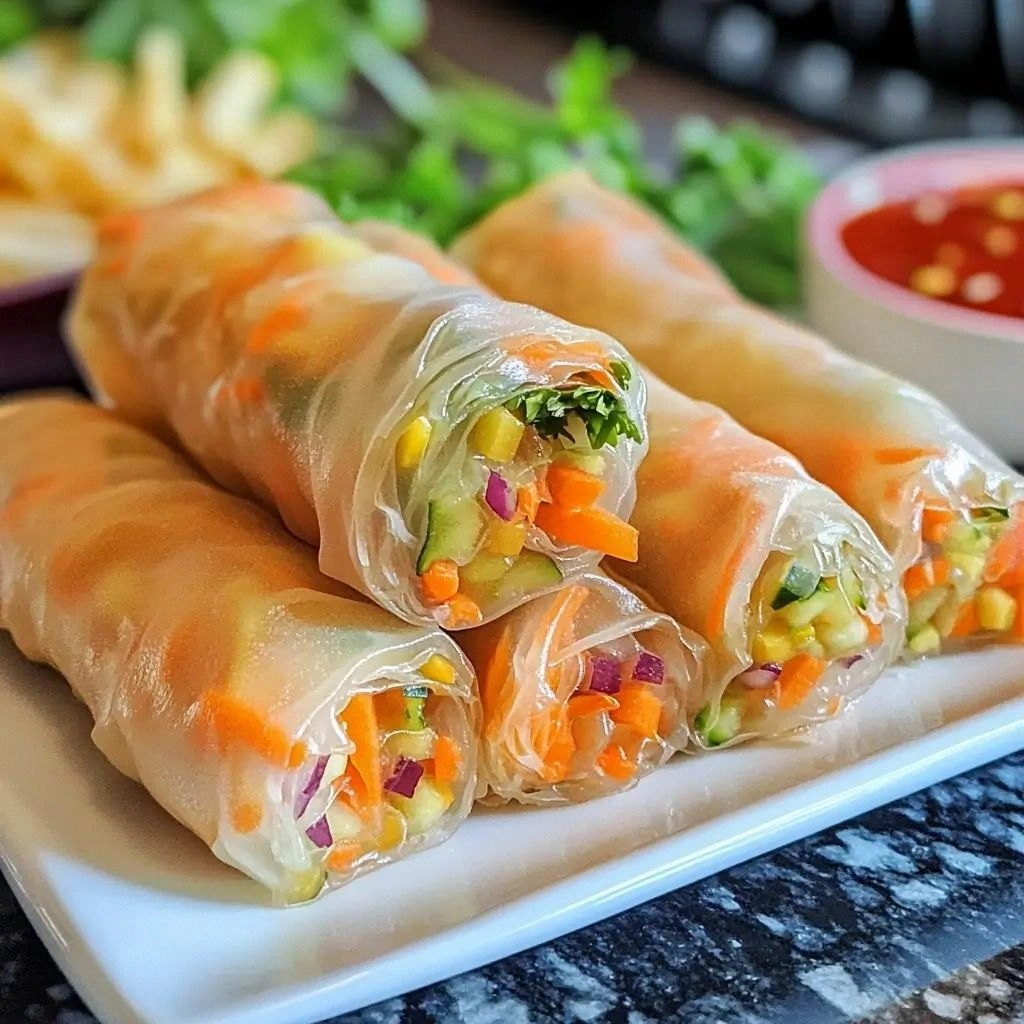
The Method — Step by Step
- Step 1: Prepare the rice paper wrappers by soaking each sheet in warm water for 10–15 seconds until pliable. Pat them gently with a clean towel to remove excess moisture. This step ensures the wrappers won’t tear during rolling. The moment the wrapper turns translucent is your cue that it’s ready. Keep them wrapped in a damp cloth until you’re ready to use them.
- Step 2: Cook the vermicelli rice noodles according to the package instructions—usually 3–4 minutes in boiling water. Drain, rinse under cold water, and set aside to cool. The noodles should remain firm; overcooking will make them mushy and ruin the texture of the roll. This step also gives you a chance to prepare the vegetables while the noodles finish. If you’re short on time, pre‑cook the noodles the night before.
- Step 3: In a large bowl, combine shredded carrots, sliced cucumber, shredded bell pepper, fresh mint, cilantro, basil, and a squeeze of lime juice. Toss gently to mix flavors. The lime not only brightens the vegetables but also helps keep them crisp. The herbs mingle together, creating a fragrant bouquet that will carry through the roll. This mixture should look like a rainbow on a plate.
- Step 4: Lay a soaked wrapper flat on a clean surface. Place a spoonful of noodle mixture near one edge, then add a layer of the vegetable mixture. Fold the sides in and roll tightly, pulling the wrapper as you go. The trick is to keep the roll snug but not overfilled, or the wrapper will burst. If you feel the roll starting to tear, add a small splash of water to the edge. This step is the moment of truth—watch the wrapper transform into a perfect cylinder.
- Step 5: Repeat with remaining wrappers, ensuring each roll is snug but not overfilled. Keep the rolls covered with a damp towel to prevent drying out. The rolls will look like tiny, translucent tubes of fresh flavor. This step is where the kitchen feels like a symphony—each roll a note in a larger composition. When you’re done, you’ll have a platter of vibrant, ready‑to‑eat rolls.
- Step 6: For the peanut dipping sauce, whisk together peanut butter, soy sauce, lime juice, minced garlic, grated ginger, a splash of honey, and a pinch of salt. Add water to reach desired consistency—smooth, pourable, but still thick enough to cling to the roll. Taste and adjust: if it’s too salty, add a touch of lime; if too thick, add more water. The sauce should coat the roll like velvet, delivering a burst of nutty, savory sweetness with every bite. This sauce is the glue that holds the flavors together.
- Step 7: Serve the rolls chilled or at room temperature, accompanied by the dipping sauce and extra lime wedges for squeezing. The rolls should feel crisp, the sauce glossy, and the lime bright. This presentation is both visually stunning and deliciously satisfying. The lime wedges add a fresh punch that cuts through the richness of the peanut sauce. You’ll see smiles as everyone dives in.
- Step 8: If you prefer a warmer option, briefly steam the rolls for 1–2 minutes, then serve hot with sauce. The heat will slightly soften the rice paper, giving the roll a different texture while still keeping the vegetables crisp. This variation is perfect for a light dinner or a comforting snack on a cooler evening. The steam will also help meld the flavors together even more. Remember to keep the steam short; otherwise the wrapper will become soggy.
That’s it — you did it. But hold on, I’ve got a few more tricks that will take this to another level…
Insider Tricks for Flawless Results
The Temperature Rule Nobody Follows
Many people think that room temperature ingredients are fine, but the secret to a crisp roll is to keep everything chilled. If the noodles or vegetables are too warm, the rice paper will absorb moisture and become soggy. Keep the veggies in the fridge until you’re ready to roll, and place the rice paper in a cool, dry place. A quick dip in cold water before rolling also helps maintain the wrapper’s integrity. I’ve seen rolls that were a disaster before this trick, and now they’re a masterpiece.
Why Your Nose Knows Best
When you’re about to roll, pause and sniff the veggies. Fresh herbs should smell bright and invigorating, not flat or stale. If the herbs smell off, replace them—your taste buds will thank you. A good rule of thumb: if the smell is strong, it’s fresh; if it’s weak, it’s time for a new batch. This sensory checkpoint saves you from a bland roll that feels like a cardboard snack.
The 5-Minute Rest That Changes Everything
After you finish rolling, let the rolls rest on a clean plate for 5 minutes. This rest period allows the flavors to meld and the rice paper to settle. If you rush into dipping immediately, the sauce can slide off too quickly. The rest also gives the wrapper a chance to firm up, making it easier to pick up without tearing. I’ve had guests who asked if I was still cooking, and I’ve told them it’s simply a resting phase.
Keep It Cool
Serve the rolls immediately after resting, or keep them chilled in the refrigerator until you’re ready to eat. Warm rolls can soften the rice paper and cause the sauce to run off. A quick dip in ice water before serving can also help maintain the crispness, especially on a hot day. This trick is especially handy for parties where rolls sit out for a while.
Use a Damp Cloth
Wrap the finished rolls in a lightly dampened cloth before serving. This keeps them from drying out and adds a subtle sheen to the rice paper. The cloth should be just damp, not wet—otherwise it will soak into the wrapper. This simple step makes the rolls look restaurant‑grade and keeps them tasting fresh longer.
Creative Twists and Variations
This recipe is a playground. Here are some of my favorite ways to switch things up:
Spicy Sriracha Crunch
Add a spoonful of sriracha to the dipping sauce for a fiery kick. The heat pairs beautifully with the cool veggies and bright lime. This variation is perfect for those who love a little spice in their meal.
Thai Coconut Noodle Roll
Replace the rice noodles with coconut‑flavored vermicelli for a tropical twist. The coconut flavor adds depth and pairs nicely with the fresh herbs. Serve with a side of sweet chili sauce for an extra layer of flavor.
Grilled Tofu Roll
Marinate tofu in soy sauce, garlic, and ginger, then grill until slightly charred. Slice the tofu thin and layer it with the veggies for a protein boost. This version turns the rolls into a satisfying, protein‑rich snack.
Asian Slaw Roll
Swap the carrots and cucumber for a quick Asian slaw mix of cabbage, bell pepper, and shredded radish. Toss the slaw in a light vinaigrette before rolling. The slaw adds a crunchy, tangy element that elevates the roll.
Herb‑Infused Peanut Sauce
Blend fresh basil and mint into the peanut sauce for an herbal undertone. The herbs seep into the sauce, giving it a layered, fragrant profile. This variation makes the sauce feel like a companion rather than a topping.
Vegan Sweet Chili Dip
Replace the honey in the sauce with agave or maple syrup and add a splash of vegan sweet chili sauce. The sweet chili adds a sweet and spicy dimension that’s both bold and comforting.
Storing and Bringing It Back to Life
Fridge Storage
Store the rolls in an airtight container in the refrigerator for up to 24 hours. Keep the dipping sauce separate until you’re ready to serve. The rolls will stay crisp if you wrap them loosely in a damp paper towel. If you notice them drying out, re‑steam briefly before serving.
Freezer Friendly
Freezing is possible—lay the rolls flat on a parchment‑lined tray, freeze until solid, then transfer to a freezer bag. They can be kept for up to 3 months. When ready to eat, thaw in the refrigerator overnight and re‑steam for 1–2 minutes to restore crispness. The sauce should be made fresh each time for best flavor.
Best Reheating Method
Reheat the rolls by steaming for 1–2 minutes—this softens the wrapper slightly while keeping the veggies crisp. Add a tiny splash of water to the steamer basket to keep the steam level high. This technique brings the rolls back to life, making them feel freshly made.