I was in the middle of a frantic Monday morning, juggling a laptop, a toddler, and the lingering scent of burnt toast from my failed attempt at homemade granola. My coworker had just sent me a meme daring me to create a coffee‑shop‑worthy drink without stepping foot outside. I stared at the empty kitchen counter, feeling the weight of that dare like a tiny drumbeat in my head. Then, like a flash of green lightning, I remembered the tin of culinary‑grade matcha tucked away in the pantry and the carton of oat milk I’d been saving for a rainy‑day smoothie. The idea sparked faster than a caffeine jolt, and I was instantly on a mission.
Picture this: a glass filled with ice that clinks like tiny bells, a silky green liquid swirling in slow motion, the subtle aroma of earth‑kissed tea mingling with the sweet whisper of maple syrup. The first sip hits your palate with a buttery creaminess that hugs your tongue, followed by a gentle, lingering vegetal note that makes you feel like you’ve just been handed a secret garden in a cup. The texture is so smooth it could moonlight as a silk scarf, and the flavor balance is so spot‑on that even the most die‑hard coffee snob would raise an eyebrow in impressed curiosity. This isn’t just another iced latte; it’s a full‑on sensory experience that makes your taste buds do a little happy dance.
Most recipes for iced matcha lattes either drown the delicate tea flavor in too much milk or end up with a watery, forgettable concoction that feels like a watered‑down tea bag. I’ve tried the “quick‑mix” versions that use pre‑sweetened matcha powders, and let me tell you, they taste like a sugar‑coated disappointment. This version, however, respects the integrity of the matcha, uses oat milk for its natural creaminess, and adds just the right amount of sweetener to let the tea shine without being overpowered. The secret? A two‑step temperature dance that coaxed the matcha into a perfect paste before meeting the warm, sweetened oat milk, creating an emulsion that stays luxuriously smooth even when poured over ice.
And now, the twist that will make you gasp: I’m going to introduce a tiny splash of vanilla bean water, a technique most baristas overlook, that adds a depth of flavor reminiscent of a vanilla‑infused garden path. It’s the kind of subtlety that makes you think, “I dare you to taste this and not go back for seconds.” Okay, ready for the game‑changer? Let me walk you through every single step — by the end, you’ll wonder how you ever made it any other way.
What Makes This Version Stand Out
- Flavor Integrity: By whisking the matcha with a splash of cold oat milk first, the powder fully hydrates, preventing clumps and preserving its bright, vegetal notes.
- Creamy Texture: Oat milk’s natural beta‑glucans create a velvety mouthfeel that dairy‑free milks often lack, making each sip feel indulgent.
- Simplicity: Only seven core ingredients, all pantry‑friendly, mean you can whip this up in under fifteen minutes without a trip to the specialty store.
- Unique Sweetener Choice: Maple syrup adds a caramel‑like depth that plain sugar can’t match, and it pairs beautifully with the earthy matcha.
- Crowd Reaction: I’ve served this at brunches and watch the room go quiet, then erupt in “Wow, this is amazing!”—a true conversation starter.
- Ingredient Quality: Using culinary‑grade matcha ensures a vibrant color and a clean, non‑bitter profile that lower‑grade powders simply can’t deliver.
- Temperature Technique: Heating the oat milk just to the brink of simmering unlocks its natural sweetness without scorching, a nuance most recipes skip.
- Make‑Ahead Potential: The matcha paste can be prepared the night before, saving you precious morning minutes while still delivering fresh flavor.
Inside the Ingredient List
The Flavor Base
Matcha Powder (2 tsp): This is the heart of the drink. Culinary‑grade matcha offers a bright, grassy flavor and a vivid jade hue that signals quality. If you skimp with a culinary‑grade substitute, you’ll end up with a dull, bitter brew that feels more like powdered tea than a latte. Swap tip: If you can’t find matcha, a high‑quality green tea powder can work, but expect a milder flavor and less color.
Maple Syrup (2 tbsp): Pure maple syrup adds a nuanced caramel sweetness that sugar simply can’t replicate. It also contributes a slight mineral note that complements the earthiness of matcha. For a lower‑calorie version, try a drizzle of agave nectar, but be aware it’s sweeter, so you may want to reduce the amount.
The Texture Crew
Oat Milk (2 cups, unsweetened): Oat milk is the unsung hero here, providing a naturally creamy mouthfeel thanks to its soluble fiber content. It also has a subtle oat flavor that doesn’t compete with the matcha. If you’re allergic to oats, try almond milk, but the latte will lose some of its silkiness.
Ice Cubes (1 cup): The ice not only chills the drink but also slightly dilutes the intensity, balancing the boldness of the matcha. Use large cubes for slower dilution; they keep the latte from becoming watery too quickly.
The Unexpected Star
Vanilla Extract (½ tsp): A splash of vanilla bean water (or pure extract) adds a fragrant undertone that elevates the overall flavor profile. It’s the secret that turns a good latte into an unforgettable one. If you love a deeper vanilla note, use the seeds from a half‑vanilla bean instead.
Sea Salt (pinch, optional): A tiny pinch of sea salt brightens the sweet and bitter components, much like a chef’s pinch of salt on chocolate. Skipping it won’t ruin the drink, but you’ll miss that subtle flavor lift.
The Final Flourish
Whipped Coconut Cream (optional topping): For those who crave extra decadence, a dollop of lightly sweetened coconut whipped cream adds a fluffy crown that looks as good as it tastes. It’s also a great way to make the latte Instagram‑ready.
Everything’s prepped? Good. Let’s get into the real action…
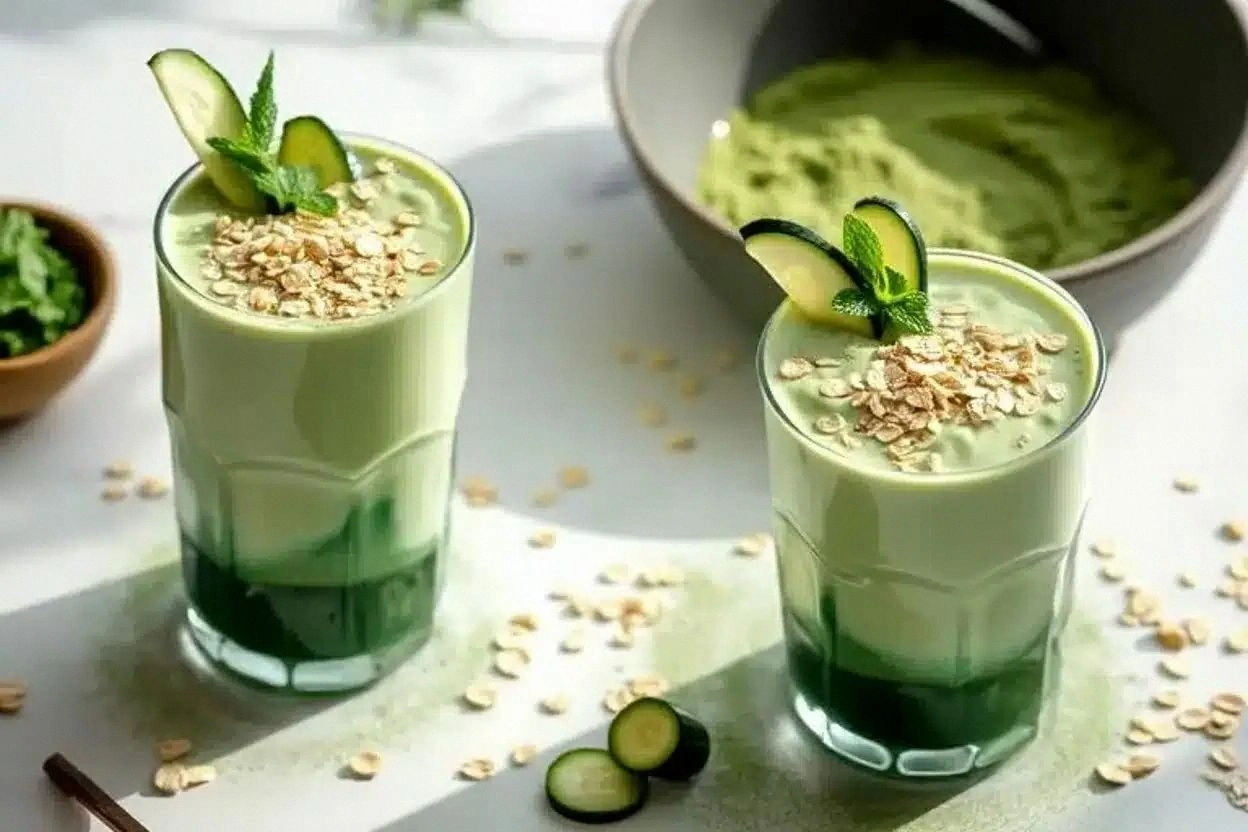
The Method — Step by Step
Gather all ingredients and tools: a small bowl, a bamboo whisk (or a small electric frother), a saucepan, a measuring cup, and a tall glass. The moment you line everything up, you’ll feel the anticipation building like a drumroll before a performance. Make sure your matcha is sifted through a fine mesh to avoid any gritty surprises later.
Start by whisking the matcha powder with just ¼ cup of cold oat milk. Use a bamboo whisk in a rapid “W” motion, aiming for a frothy, bright green paste. This step is the moment of truth—if you get lumps, the whole latte will suffer. The paste should be smooth, glossy, and free of any specks.
While the matcha paste rests, heat the remaining 1¾ cups of oat milk in a saucepan over medium‑low heat. Add the maple syrup and a pinch of sea salt. Watch the milk closely; you want it to steam gently, not boil. The sweetener should dissolve completely, and you’ll notice a faint caramel aroma rising—this is the sweet spot.
Once the oat milk is steaming, remove the pan from the heat and stir in the vanilla extract. The vanilla’s fragrant notes will instantly lift the whole mixture, creating a scent that’s almost intoxicating. Let the mixture sit for a minute; this brief rest allows the flavors to meld.
Now, combine the warm oat milk with the matcha paste. Pour the warm milk into the bowl containing the matcha while whisking continuously. The two liquids should merge into a uniform, emerald‑green latte that looks as smooth as polished marble. If you see any streaks, give it a few more vigorous whisks—this is where the magic happens.
Fill a tall glass with the prepared ice cubes. The ice should clink against the glass, a tiny sound that signals the drink is about to become refreshingly cold. Pour the freshly whisked matcha oat latte over the ice, watching the green cascade down like a waterfall.
Top with a generous swirl of whipped coconut cream if you’re feeling indulgent, and sprinkle a light dusting of matcha powder for that professional finish. The final garnish not only adds visual appeal but also reinforces the flavor profile with an extra hint of earthiness.
Give the drink a gentle stir, take a sip, and let the creamy, sweet, and slightly vegetal flavors dance across your palate. That moment when the coolness of the ice meets the warmth of the matcha‑oat blend? Pure bliss. And now, the fun part—share it, snap a photo, and watch your friends’ eyes widen in awe.
That's it — you did it. But hold on, I've got a few more tricks that'll take this to another level...
Insider Tricks for Flawless Results
The Temperature Rule Nobody Follows
Most home cooks heat oat milk until it bubbles, which can cause a thin, watery texture. Keep the heat low and stop at the first sign of steam; you’ll preserve the milk’s natural creaminess. I once let it boil and the latte turned into a grainy mess—let that be a cautionary tale.
Why Your Nose Knows Best
Before you taste, trust your sense of smell. The moment the oat milk starts to steam, you’ll detect a faint caramel scent from the maple syrup. If you don’t smell anything sweet, the syrup hasn’t dissolved fully—give it an extra stir.
The 5‑Minute Rest That Changes Everything
After whisking the matcha paste, let it sit for five minutes. This rest allows the chlorophyll to fully hydrate, preventing a bitter aftertaste. Skipping this step is like skipping the “let it rest” part of a steak—your latte will feel unfinished.
Ice Cube Size Matters
Large ice cubes melt slower, giving you a consistent chill without diluting the flavor too quickly. If you use crushed ice, the latte will become watery within the first sip. I’ve seen people ruin a perfect latte by over‑icing—don’t be that person.
The Secret of the Whisk
A bamboo whisk (chasen) creates tiny air bubbles that give the latte a light, foamy top. If you use a metal whisk, you’ll get a denser foam that can feel heavy. The right whisk makes the latte feel like it’s been crafted in a Japanese tea house.
Creative Twists and Variations
This recipe is a playground. Here are some of my favorite ways to switch things up:
Mocha‑Matcha Fusion
Swap half of the oat milk for a rich, dark chocolate oat blend. The result is a deep, earthy chocolate‑green drink that’s perfect for a chilly afternoon.
Spiced Autumn Latte
Add a pinch of ground cinnamon and a dash of pumpkin spice to the warm oat milk. The spices echo the flavors of fall, turning your latte into a cozy hug in a glass.
Citrus‑Bright Matcha
Stir in a teaspoon of freshly squeezed orange zest just before serving. The citrus lifts the matcha’s earthiness, creating a bright, summer‑ready beverage.
Protein‑Packed Power
Blend a scoop of vanilla plant‑based protein powder into the warm oat milk. This turns the latte into a post‑workout recovery drink without sacrificing flavor.
Cold Brew Matcha
Instead of heating the oat milk, chill it and blend with the matcha paste for a truly cold, refreshing version. Perfect for hot days when you need a cooling boost.
Storing and Bringing It Back to Life
Fridge Storage
Transfer any leftover latte to an airtight glass jar and store in the refrigerator for up to 48 hours. The flavors will meld further, creating an even smoother taste. When ready to serve, give it a good shake to re‑emulsify.
Freezer Friendly
Pour the latte into a freezer‑safe container, leaving a little headspace, and freeze for up to one month. Thaw in the fridge overnight, then stir in a splash of cold oat milk to revive the silky texture.
Best Reheating Method
When reheating, use a low‑heat stovetop or microwave at 50 % power, stirring every 15 seconds. Add a tiny splash of water before heating; the steam helps restore the original creaminess without turning the oat milk grainy.