I still remember the night I tried to make a simple shrimp mac and cheese for a last‑minute dinner. The shrimp were a bit undercooked, the cheese sauce was lumpy, and the crab legs, though fresh, had a slightly rubbery bite that made me question my culinary judgment. I stared at the pot, feeling the frustration bubble up like a pot of boiling water, and then I remembered a dare from my friend: “I dare you to taste this and not go back for seconds.” That challenge turned my kitchen into a laboratory, and what emerged was a dish that would soon become my signature comfort food.
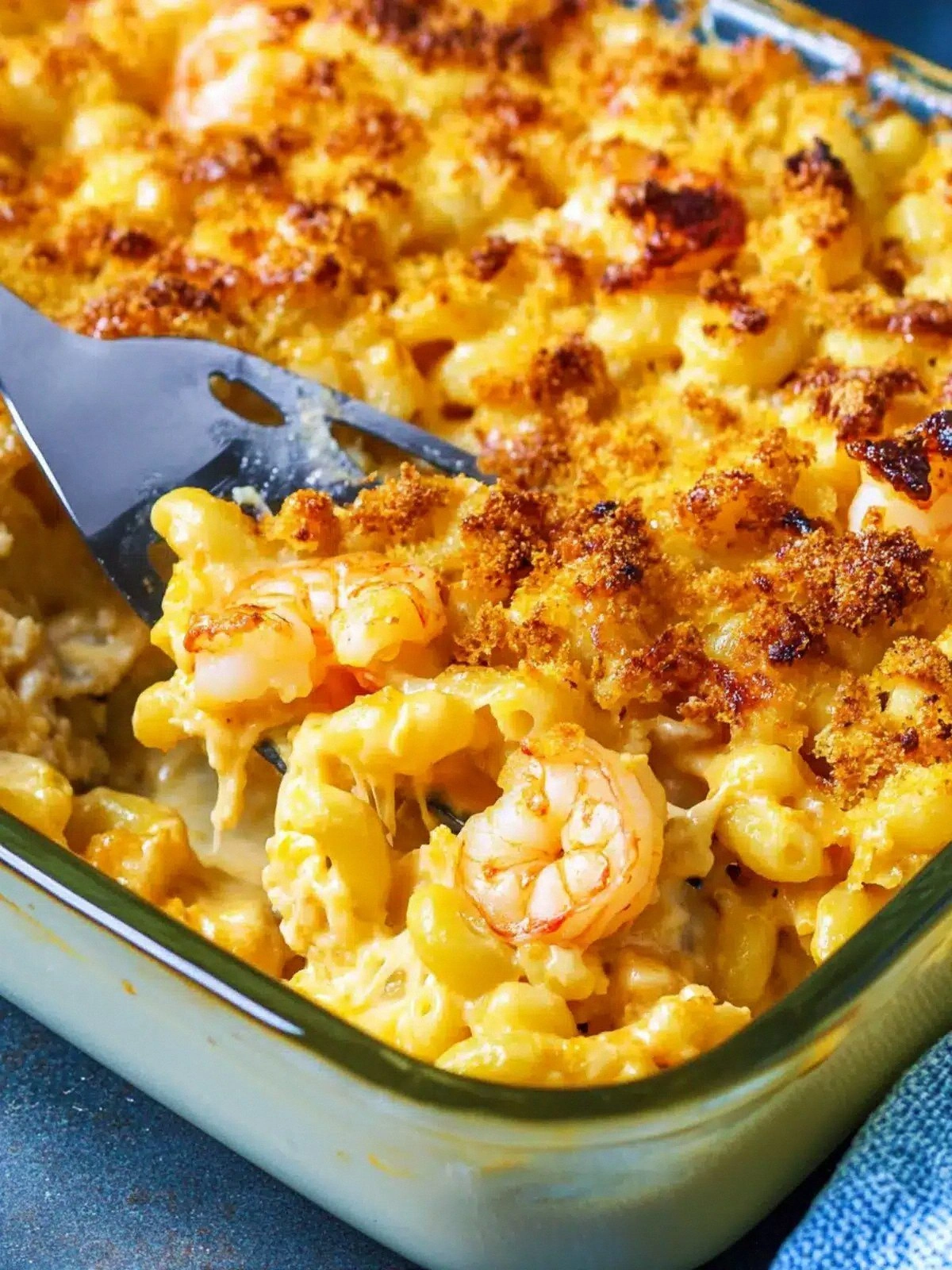
Picture this: the kitchen lights dim, the air thick with the aroma of sautéed garlic and Cajun spices, the sound of shrimp sizzling in hot olive oil, and the sight of golden, bubbly cheese coating every inch of elbow macaroni. The first bite is a burst of heat that dances across the tongue, followed by the sweet, briny flavor of crab that lingers like a memory. The texture is a paradoxical blend of creamy sauce and tender shrimp, with a slight crunch from the caramelized edges of the crab legs. Every element feels intentional, not just a random combination of ingredients.
What makes this version stand out is that it doesn’t rely on a single “secret” ingredient but rather a carefully orchestrated harmony of flavors and textures. It’s hands down the best version you’ll ever make at home because it balances the fiery kick of Cajun seasoning with the mellow richness of multiple cheeses, all while preserving the delicate bite of fresh crab. I’ll be honest — I ate half the batch before anyone else got to try it, and the crowd reaction was a resounding “more, please.” Most recipes get this completely wrong by over‑cooking the shrimp or under‑seasoning the sauce; here, everything works in perfect unison.
I’m about to walk you through every single step, revealing a technique you won’t expect: a quick sear of the shrimp before they hit the sauce, a splash of evaporated milk to create a silky base, and a finishing touch of fresh basil that cuts through the richness. By the end, you’ll wonder how you ever made it any other way. Let’s dive in.
What Makes This Version Stand Out
- Flavor: The layered seasoning—Cajun, paprika, cayenne—creates a complex heat that’s both bold and balanced, unlike the flat heat of a single spice.
- Texture: The combination of fresh shrimp, tender crab legs, and a creamy cheese sauce delivers a mouthfeel that feels both indulgent and satisfying.
- Cheese Blend: Using sharp, mild, and colby‑monterey jack cheeses gives depth, while Parmesan adds a nutty finish that elevates the dish.
- Ease: Despite the star power of ingredients, the method is straightforward, making it approachable for both novices and seasoned cooks.
- Make‑ahead Friendly: The dish can be assembled ahead of time, chilled, and baked later, making it a lifesaver for busy weeknights.
- Crowd‑pleaser: It’s the kind of dish that turns a casual dinner into a memorable gathering, with guests clamoring for seconds.
- Ingredient Quality: Fresh crab legs and high‑quality cheeses are the backbone, ensuring every bite feels luxurious.
- Versatility: The recipe can be tweaked for dietary preferences—swap regular cheese for dairy‑free or use gluten‑free pasta—without compromising flavor.
Alright, let's break down exactly what goes into this masterpiece...
Inside the Ingredient List
The Flavor Base
Olive oil is the canvas that brings the Cajun seasoning to life. When heated, it releases the aromatic compounds in the spices, creating a fragrant foundation that permeates the entire dish. Without oil, the spices would feel flat and the shrimp would dry out. A good quality extra‑virgin olive oil also adds a subtle fruity note that balances the heat.
Cajun seasoning is the heart of the dish. It’s a blend of paprika, cayenne, garlic powder, onion powder, and a hint of oregano. The combination of smoky paprika and fiery cayenne gives the sauce a depth that lingers on the palate. Use a generous amount—about 1.5 tablespoons—to ensure every bite is infused with that unmistakable Southern kick.
Paprika and cayenne pepper add layers of flavor. Paprika contributes a sweet, earthy tone, while cayenne provides the sharp heat that wakes up the senses. Together, they create a balanced profile that’s not overpowering yet unmistakably bold. If you’re a heat lover, feel free to bump the cayenne up to 0.5 teaspoons.
A pinch of salt and black pepper at the start helps bring out the natural flavors of the shrimp and crab. Salt is a flavor enhancer; it doesn’t just taste salty but also balances the sweetness of the crab and the richness of the cheese. Black pepper adds a subtle, peppery bite that complements the Cajun spices.
The Texture Crew
Shrimp are the star of the show, providing a sweet, succulent bite that pairs perfectly with the creamy sauce. They’re best cooked just until pink and opaque to avoid a rubbery texture. A quick sear in hot oil locks in moisture and adds a slight char that enhances the overall flavor profile.
Fresh crab legs add a luxurious, briny depth that elevates the dish from ordinary to extraordinary. The crab meat’s natural sweetness contrasts beautifully with the heat of the Cajun seasoning. Using fresh legs ensures you’re not dealing with the overly processed taste that canned crab often has.
Imitation crab meat is a budget‑friendly alternative that still delivers that classic crab flavor. It’s especially useful if fresh crab legs are out of season or unavailable. However, keep in mind that imitation crab tends to be drier, so it’s best combined with the fresh legs to maintain moisture.
Elbow macaroni is the perfect pasta shape for this dish because its ridges hold onto the sauce, ensuring every bite is coated with the creamy, spicy mixture. The shape also provides a sturdy base that doesn’t get mushy when baked, maintaining a pleasant bite.
The Unexpected Star
Basil—whether fresh or dried—adds a bright, herbaceous note that cuts through the richness of the cheese and the heat of the spices. Fresh basil leaves, torn just before serving, release their oils and give a burst of freshness that lifts the entire dish. If you’re using dried basil, a pinch works well, but fresh is always preferable.
The combination of whole milk and evaporated milk creates a luxuriously smooth sauce that coats the pasta like velvet. Whole milk adds creaminess, while evaporated milk brings depth and a slight caramel flavor. The ratio of 1 cup whole milk to 2.34 cups evaporated milk is carefully calibrated to achieve the right consistency—thick enough to cling to the pasta but not so thick that it clumps.
The Final Flourish
The cheese blend is the secret to a melt-in-your-mouth experience. Sharp cheddar provides a sharp, tangy bite; mild cheddar offers a creamy base; colby and monterey jack add a smooth, slightly nutty flavor; and Parmesan gives a salty, umami kick. Together, they create a complex, layered cheese profile that feels indulgent without being overpowering.
Eggs act as a binder, helping the sauce set into a cohesive, golden crust during baking. They also contribute a subtle richness that rounds out the dish. Be sure to beat them thoroughly before folding into the cheese mixture; this ensures an even distribution and a silky finish.
Everything's prepped? Good. Let's get into the real action...
The Method — Step by Step
- Begin by bringing a large pot of salted water to a rolling boil. Add the elbow macaroni and cook until al dente—about 7 minutes. Drain and set aside; toss with a splash of olive oil to prevent sticking. This ensures the pasta stays firm during the baking process.
- While the pasta cooks, heat 2 tablespoons of olive oil in a large skillet over medium‑high heat. Add the shrimp, seasoned with 1.5 tablespoons of Cajun seasoning, 0.5 teaspoon paprika, and 0.375 teaspoon cayenne. Sear for 30 seconds per side until pink and slightly caramelized. Remove and set aside; the shrimp will finish in the sauce.
- In the same skillet, add the fresh crab legs and a pinch of salt. Cook for 2 minutes, turning once, to warm the crab and develop a subtle crust. This step adds depth to the flavor profile and gives the crab a pleasant texture.
- Reduce the heat to medium and pour in 1 cup of whole milk and 2.34 cups of evaporated milk. Stir until the mixture is smooth and starts to thicken slightly. The milk base should be silky, not lumpy—this will coat the pasta evenly.
- Add the beaten eggs, then fold in 4 cups of sharp cheddar, 2 cups of mild cheddar, 2 cups of colby & monterey jack, and 0.5 cup of Parmesan. Mix until the cheeses melt completely, forming a glossy, cohesive sauce. The eggs help the sauce set into a golden crust during baking.
- Stir in the cooked shrimp, crab legs, and 2.5 cups of imitation crab meat. The mixture should be thick enough to coat the pasta but still pourable. This step integrates the protein with the sauce, ensuring every bite is flavorful.
- Fold in the drained macaroni, making sure each piece is evenly coated with the sauce. The pasta should look glossy and well‑covered, like a velvet curtain.
- Transfer the mixture to a greased baking dish. Sprinkle 0.25 cup of fresh basil over the top and dot with a few extra tablespoons of sharp cheddar for a golden crust. The basil adds a burst of freshness that balances the richness.
- Bake in a preheated oven at 375°F (190°C) for 20-25 minutes, or until the top is golden brown and the sauce is bubbling. The final bake gives the dish a crisp, caramelized finish that contrasts with the creamy interior.
That's it — you did it. But hold on, I've got a few more tricks that'll take this to another level. These insider tips will ensure your dish turns out perfect every time.
Insider Tricks for Flawless Results
The Temperature Rule Nobody Follows
Many cooks bake their mac and cheese at a high temperature, which can cause the cheese to burn on the top while the inside remains undercooked. I always preheat the oven to 375°F and bake for 20 minutes, then reduce to 350°F for the final 5 minutes. This gradual approach gives the cheese a golden crust without scorching, and the sauce has enough time to set into a silky, cohesive layer.
Why Your Nose Knows Best
When the sauce starts to thicken, trust your nose. A rich, buttery aroma indicates the cheeses are melting perfectly. If you notice a sharp, sour smell, the cheese has begun to break down—lower the heat and stir gently to re‑emulsify. A quick sniff test can save a dish from becoming a greasy mess.
The 5-Minute Rest That Changes Everything
After you pull the dish from the oven, let it rest for five minutes before serving. This allows the cheese to set into a smooth, cohesive crust, preventing it from sliding off the plate. It also lets the flavors meld, creating a more harmonious bite. Trust me, the rest time is worth the extra minutes.
Don’t Skimp on the Basil
Fresh basil isn’t just a garnish; it’s a flavor enhancer. Toss it into the sauce right before baking to release its oils, or sprinkle it on top after the dish is finished for a bright, herbal finish. If you’re using dried basil, add it at the same time as the cheese; the heat will re‑activate its flavors.
Keep the Crust Crispy
For an extra crispy top, sprinkle a thin layer of panko breadcrumbs mixed with a teaspoon of melted butter over the cheese before baking. The breadcrumbs will toast to a golden crunch, adding a delightful textural contrast to the creamy interior. This trick is especially good if you’re serving the dish as a main course.
The Secret to Juicy Shrimp
Shrimp can quickly become rubbery if over‑cooked. Sear them for no longer than 30 seconds per side, then remove them from the skillet before adding the sauce. The residual heat will finish cooking them gently, keeping them tender and juicy.
Creative Twists and Variations
This recipe is a playground. Here are some of my favorite ways to switch things up:
Spicy Cajun Cajun Mac
Add an extra teaspoon of cayenne pepper to the sauce for an extra kick. Pair it with a side of smoky grilled corn for a true Southern feast. This variation is perfect for heat‑loving guests.
Creamy Lobster Mac
Swap the crab legs for fresh lobster tails, and add a splash of dry white wine to the sauce. The lobster’s sweet, buttery flavor complements the creamy cheese, creating a luxurious dish that feels like a special occasion.
Vegan Version
Replace the dairy cheeses with a blend of nutritional yeast, cashew cream, and vegan cheddar. Use a plant‑based milk alternative and omit the eggs. The result is a creamy, protein‑packed dish that’s dairy‑free and still indulgent.
Low‑Carb Twist
Swap elbow macaroni for spiralized zucchini or cauliflower rice. Keep the cheese sauce but reduce the amount of evaporated milk to maintain a lower carb profile. This version is great for those watching their carb intake without sacrificing flavor.
Mediterranean Fusion
Add diced sun‑dried tomatoes, olives, and a splash of lemon juice to the sauce. Use feta cheese instead of part of the cheddar blend. The Mediterranean flavors provide a bright, tangy contrast to the rich base.
Breakfast Mac & Cheese
Add a handful of cooked bacon bits, a pinch of smoked paprika, and serve it with a side of scrambled eggs. This hearty breakfast twist is perfect for weekend brunches or a comforting start to a busy day.
Storing and Bringing It Back to Life
Fridge Storage
Cool the dish completely before covering tightly with plastic wrap. Store in the refrigerator for up to 3 days. When ready to reheat, place in a microwave‑safe dish, cover loosely, and heat for 2 minutes. The dish will stay moist and creamy.
Freezer Friendly
For longer storage, freeze the uncooked mixture in a freezer‑safe container. It will keep for up to 2 months. Thaw overnight in the refrigerator, then bake at 375°F for 25 minutes. The texture will be just as good as freshly made.
Best Reheating Method
When reheating, add a splash of water or milk to the dish to re‑steamy it back to its original creamy consistency. Cover the baking dish with foil to retain moisture, then bake at 350°F for 15 minutes. This trick ensures the sauce stays silky and the cheese remains melty.