Love this? Pin it for later! 📌
Every January, when the post-holiday quiet settles over the house and the air outside feels like it might actually hurt my face, I pull out my Instant Pot and start chopping vegetables for this minestrone. It’s the same ritual I watched my Nonna perform on the tiny stovetop in her Florence apartment, only she used a battered aluminum pot that had survived two World Wars and a trans-Atlantic crossing. The smell—onion meeting olive oil, then garlic, then tomato—still makes me feel eight years old, standing on a wooden stool and “helping” by stirring so vigorously that half the soffritto ended up on the backsplash.
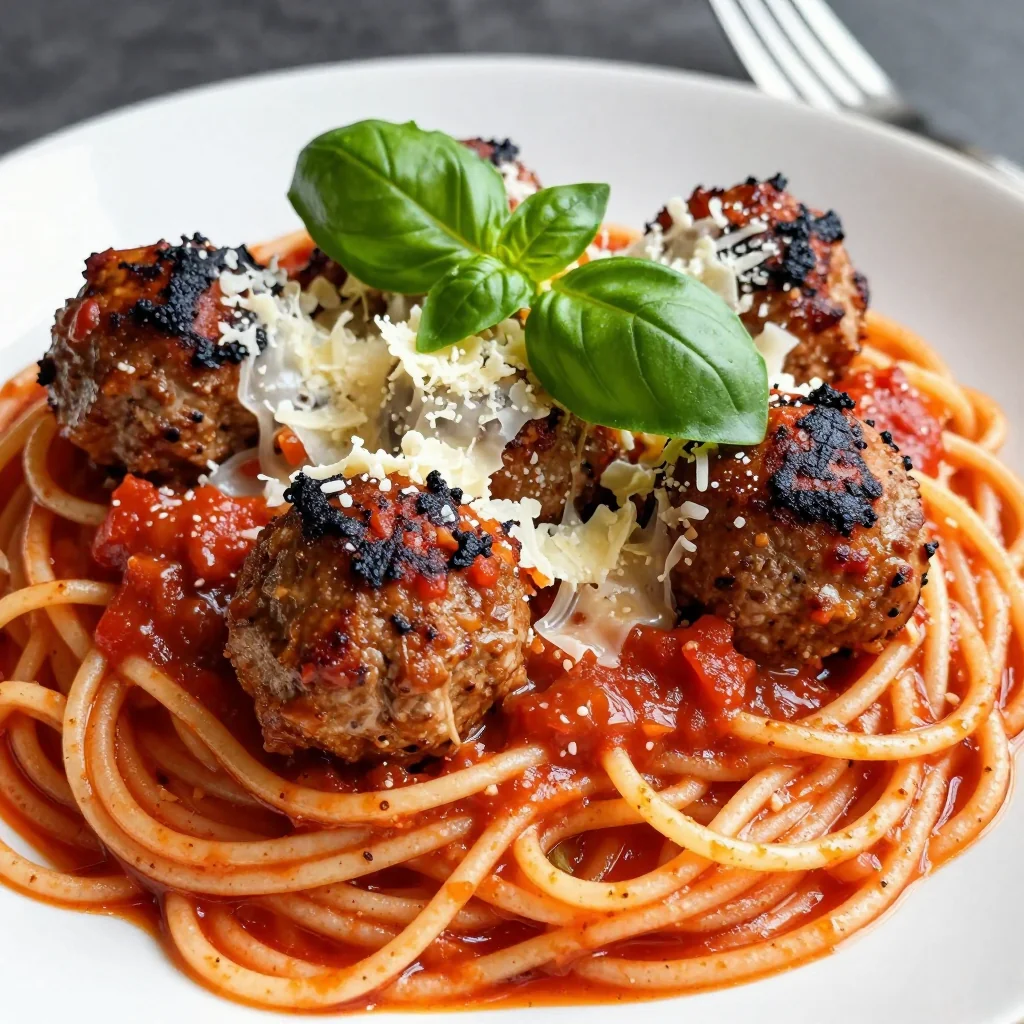
Fast-forward three decades and 4,000 miles, and that same aroma now drifts through my own kitchen in the Midwest. My daughter sits at the counter, homework sprawled between flour canisters, occasionally glancing up to ask if she can deglaze the pot (her new favorite phrase). The Instant Pot shaves 40 minutes off Nonna’s stovetop method, but the soul of the soup—vegetables that keep their color, beans that stay creamy, a broth that tastes like someone squeezed sunshine into a bowl—remains untouched. We ladle it into deep earthenware bowls, shower it with Parmigiano rind shavings, and suddenly the wind chill is irrelevant. This is comfort food that travels through time zones and generations, and I’m honored to share the blueprint with you.
Why This Recipe Works
- One-pot wonder: Everything cooks under pressure, so flavors mingle while you fold laundry.
- Vegetable integrity: A 4-minute quick-release keeps carrots and zucchini from turning to mush.
- Bean versatility: Canned or dried; the timing accounts for both without pre-soaking.
- Cheater’s umami: A 2-inch Parmigiano rind dissolves into the broth for restaurant depth.
- Freezer hero: Make a double batch and freeze flat in zip bags for up to 3 months.
- Vegan without trying: Simply skip the rind or swap in nutritional yeast for cheesy notes.
Ingredients You'll Need
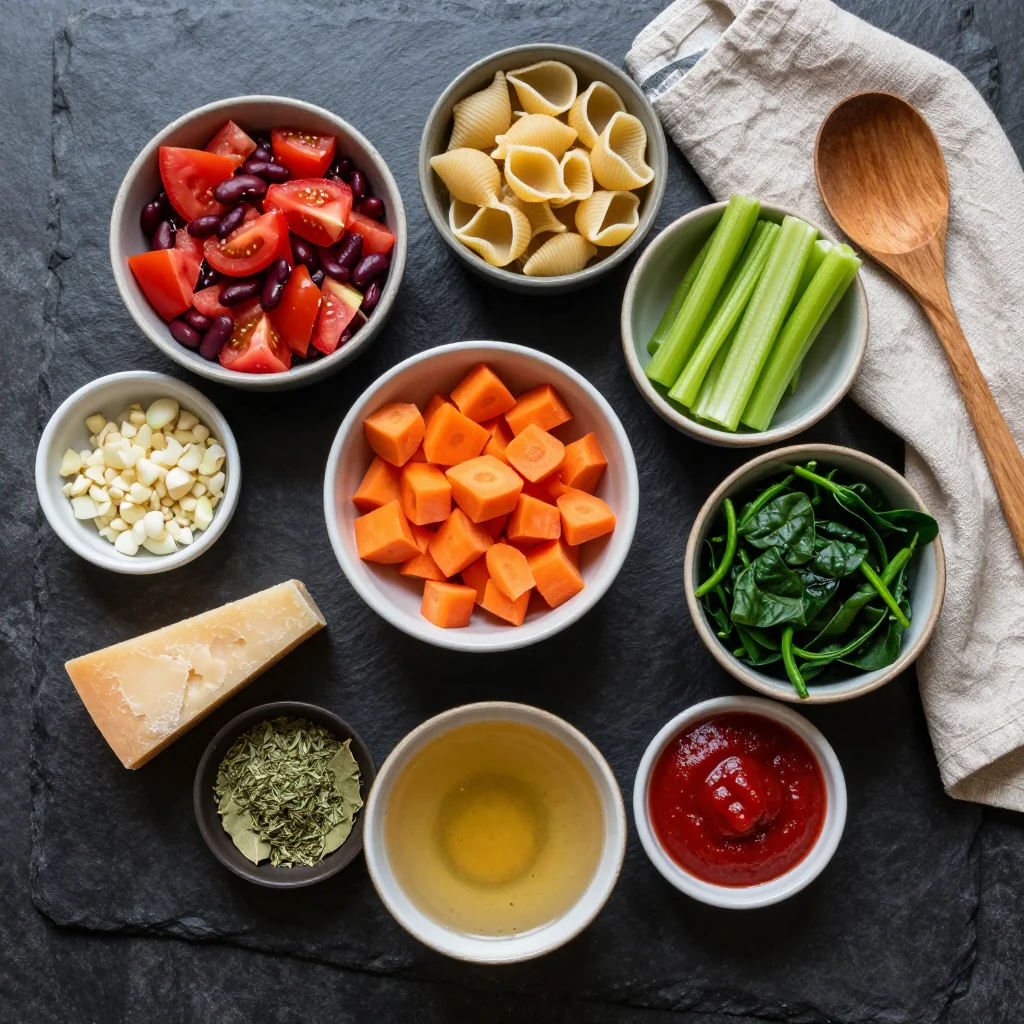
Great minestrone is a celebration of what’s in season, but a few pantry staples anchor the flavor. Below, I break down the cast of characters and share the tiny shopping cues that elevate the end result.
The Aromatics
- Extra-virgin olive oil (2 Tbsp): Look for harvest dates within 18 months; older oil tastes flat.
- Yellow onion (1 large): Sweet varieties like Vidalia mellow beautifully under pressure.
- Carrots (2 medium): Buy bunches with tops; the greens signal freshness.
- Celery (2 ribs): Inner, lighter stalks are less stringy and cook faster.
The Body Builders
- Garlic (3 cloves): Smash, then mince 10 minutes before cooking to activate allicin.
- Tomato paste (2 Tbsp): Double-concentrated tubes taste brighter than canned.
- Plum tomatoes (1 can, 400 g): San Marzano if the budget allows; their low acidity keeps the broth silky.
- Zucchini (1 medium): Choose small, firm specimens; oversized zucchini hide spongy cores.
The Hearty Bits
- Cannellini beans (1 can, drained): If using dried, ½ cup soaked overnight; the recipe times remain identical.
- Green beans (1 cup, 1-inch pieces): Haricots verts stay greener; regular beans are fine—just snap the ends.
- Small pasta (¾ cup): Ditalini is classic, but mini-shells trap the broth like edible spoons.
The Flavor Finishers
- Vegetable broth (4 cups): Low-sodium keeps you in charge of salinity.
- Parmigiano rind (2-inch piece): Ask the cheese-monger; most will give you trimmings free.
- Fresh basil (½ cup, torn): Add after pressure release; heat dulls its perfume.
- Lemon zest (½ tsp): Optional, but it lifts the entire bowl the way sunshine lifts a mood.
How to Make Instant Pot Minestrone Soup That Feels Like A Hug
Warm the pot
Set Instant Pot to Sauté – More. When the display reads “Hot,” swirl in olive oil. Let it ripple for 30 seconds; this flash-heats the oil so onions sizzle on contact rather than stew.
Build the soffritto
Add diced onion, carrot, and celery. Stir every 45 seconds for 4 minutes until the edges turn translucent and the kitchen smells like Sunday. Sprinkle ½ tsp kosher salt; it pulls moisture and speeds caramelization.
Bloom the garlic & tomato paste
Stir in minced garlic for 30 seconds—just until fragrant. Add tomato paste; cook 90 seconds, scraping the bottom so the natural sugars darken from bright red to brick. This caramelized paste is the umami backbone.
Deglaze with tomatoes
Pour in the entire can of plum tomatoes, crushing each one between your fingers like stress balls. The acidic juice loosens the browned bits—scrape them up with a wooden spoon; that fond equals free flavor.
Load the remaining vegetables
Add zucchini, green beans, cannellini beans, and the Parmigiano rind. Season with 1 tsp salt, ½ tsp pepper, and 1 bay leaf. Pour in broth until ingredients are just covered—about 4 cups; excess liquid dilutes flavor.
Pressure cook
Seal lid, set valve to sealing. Select Manual/Pressure Cook, high, 6 minutes. The pot takes ~10 min to reach pressure; during this time the vegetables are already gently steaming—like a pre-hug hug.
Quick-release & pasta trick
When the timer beeps, carefully quick-release the steam. Remove lid, stir in pasta, then select Sauté – Less for 5 minutes, stirring twice. The residual heat cooks pasta without turning it to wallpaper paste.
Finish with freshness
Off heat, fish out the bay leaf and the now-naked rind. Stir in torn basil and optional lemon zest. Ladle into bowls, drizzle with good olive oil, shower with freshly grated Parmigiano. Serve with crusty bread, hugs optional but recommended.
Expert Tips
Don’t skip the rind
Parmigiano rind contains natural glutamates that amplify savoriness without extra salt. Freeze rinds in a zip bag as you grate down wheels; they last a year.
Pasta al-dente insurance
Cook pasta separately if you plan on leftovers; store it in a jar with a splash of olive oil to prevent clumping, then add to each reheated portion.
Keep colors bright
Add a handful of baby spinach after pressure cooking; the residual heat wilts it in 30 seconds and adds emerald contrast.
Salt in stages
Season lightly at each sauté step, then adjust at the end. Taste after the boil; broth reduction concentrates salinity.
Speed-thaw hack
Freeze single portions in silicone muffin trays; pop out two “pucks” for a quick lunch, microwave 2 minutes, add hot water, stir.
Thicken naturally
Mash a ladleful of beans against the pot wall before serving; the released starch creates creaminess without flour or dairy.
Variations to Try
-
Tuscan Kale & White Bean
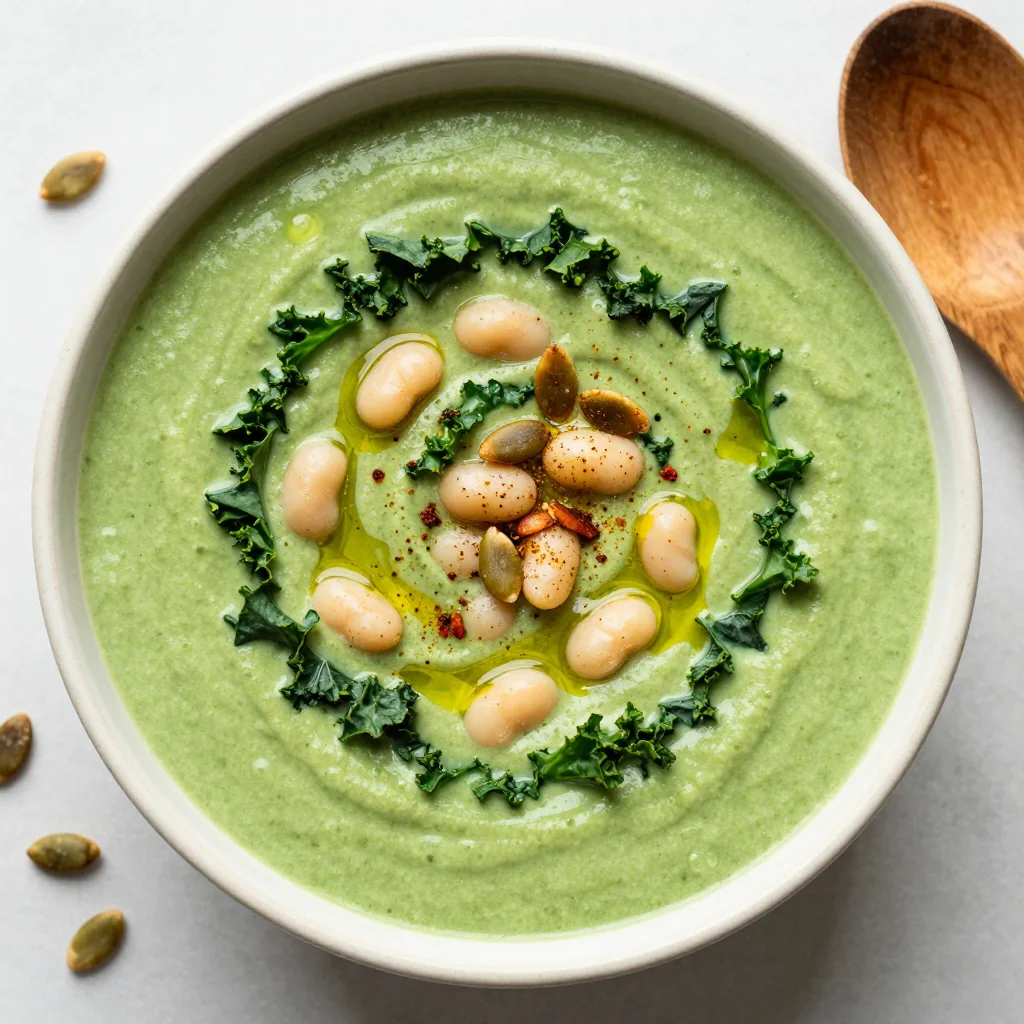
Swap zucchini for 2 cups chopped kale; add 1 sprig rosemary. Earthy and slightly bitter—perfect with grilled cheese.
-
Summer Garden
Replace canned tomatoes with 2 cups fresh cherry tomatoes, halved. Add ½ cup fresh corn kernels and ¼ cup chopped basil stems for extra perfume.
-
Protein-Power
Stir in 1 cup cooked lentils or shredded rotisserie chicken during the pasta step for a 25 g protein boost.
-
Spicy Calabrian
Add 1 tsp Calabrian chili paste with the tomato paste; finish with a handful of chopped olives and a squeeze of lemon.
-
Grain-Swap
Sub pearl barley or farro for pasta; increase pressure time to 10 minutes. Chewy grains hold up for days.
Storage Tips
Refrigerator: Cool soup completely, transfer to airtight containers, and refrigerate up to 5 days. If you cooked pasta in the pot, expect it to swell; add a splash of broth when reheating.
Freezer: Ladle cooled soup (minus pasta) into quart-size freezer bags, lay flat on a sheet pan to freeze. Thaw overnight in the fridge or 10 minutes under lukewarm water. Reheat, then cook fresh pasta separately for best texture.
Make-ahead lunches: Portion soup into 16-oz mason jars; freeze with lid off. Once solid, screw on lids. Grab a jar, microwave 3 minutes, shake, microwave 2 more minutes—desk-lunch nirvana.
Frequently Asked Questions
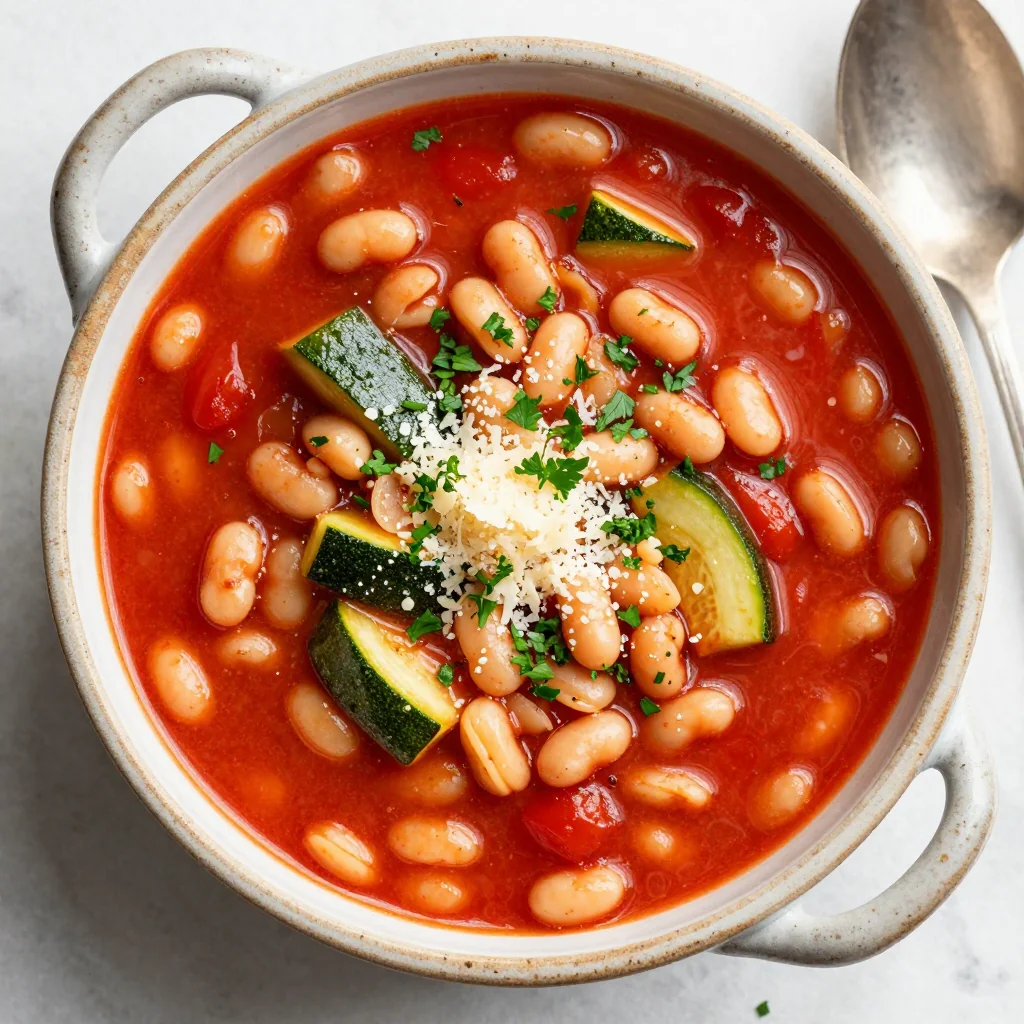
Instant Pot Minestrone Soup That Feels Like A Hug
Ingredients
Instructions
- Heat the pot: Set Instant Pot to Sauté – More. When hot, add olive oil.
- Sauté aromatics: Cook onion, carrot, and celery with ½ tsp salt for 4 minutes until softened.
- Bloom tomato paste: Stir in garlic for 30 seconds, then tomato paste for 90 seconds.
- Deglaze: Add canned tomatoes with juices, crushing by hand; scrape up browned bits.
- Load vegetables: Add zucchini, green beans, cannellini beans, bay leaf, Parm rind, and broth. Seal lid.
- Pressure cook: Manual high 6 minutes, quick-release steam.
- Add pasta: Stir in pasta, select Sauté – Less 5 minutes until al dente.
- Finish & serve: Remove bay leaf and rind. Stir in basil and lemon zest. Taste, adjust salt, serve hot.
Recipe Notes
Pasta will continue to absorb liquid as it sits. Store leftovers with an extra splash of broth and reheat gently.