Introduction
Picture this: a late‑night craving that turns into a culinary revelation. I was halfway through a pizza order when a friend texted, “Do you know any Korean dish that can save a midnight snack?” I stared at the screen, my stomach rumbling like a drumbeat, and decided to dive headfirst into the world of japchae. The result was a dish that burst with color, texture, and an umami hug that made me question every other stir‑fry I’d ever made.
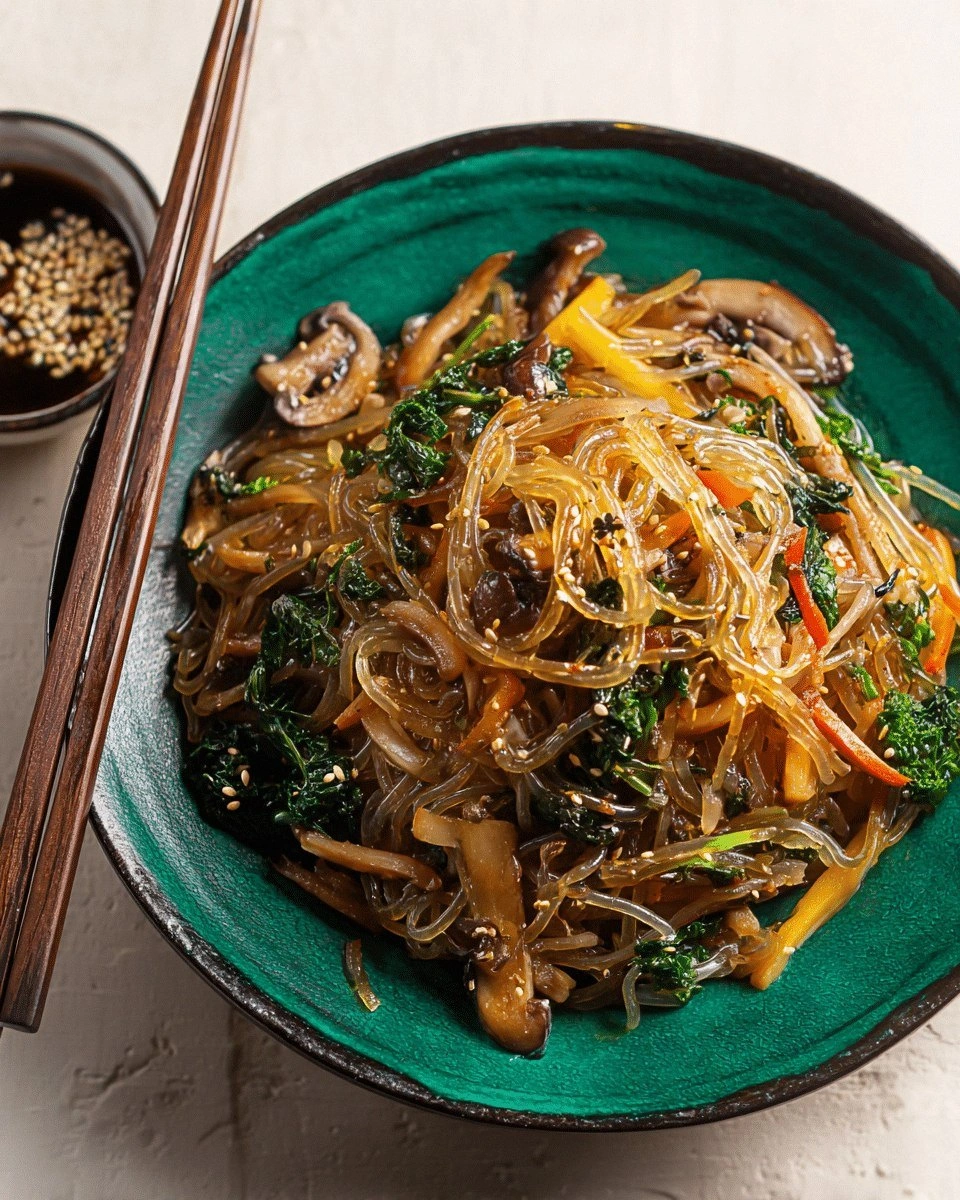
From the moment I sliced the glass noodles, the kitchen filled with the sweet aroma of caramelized onions and the sharp, earthy scent of fresh mushrooms. My eyes followed the glossy strands as they swirled in hot oil, the sound of sizzling vegetables like a jazz saxophone filling the air. Every bite was a symphony: silky noodles, crunchy carrots, tender spinach, and that unforgettable nutty finish from toasted sesame seeds. I could feel the heat from the pan on my fingertips, the slight resistance of the noodles as they cooked to that perfect chewy bite, and the faint metallic tang of soy sauce that tied everything together.
What makes this version of japchae stand out is not just the ingredients, but the method— a deliberate layering of flavors and textures that most recipes gloss over. I’ve tweaked the sauce to be slightly sweeter, balanced with a splash of rice vinegar for brightness. The noodles are pre‑boiled to a silky tenderness that holds up against the veggies, and the final toss in sesame oil gives the dish that glossy sheen that makes it Instagram‑worthy. I dare you to taste this and not go back for seconds, because once you’ve had this, other stir‑fries will feel like a distant memory.
And if you’ve ever struggled with the chewy texture of glass noodles or the timing of sautéing multiple vegetables, you’re not alone. I’ve got the fix for every hiccup, from how to keep the noodles from clumping to the exact moment to add the soy sauce so it doesn’t scorch. Picture yourself pulling this out of the pan, the whole kitchen smelling incredible, and knowing you’ve just created a dish that’s both comforting and sophisticated. Let me walk you through every single step — by the end, you’ll wonder how you ever made it any other way.
What Makes This Version Stand Out
- Flavor Depth: The sauce is a balanced blend of soy, sugar, and a hint of rice vinegar, creating a sweet‑savory profile that coats the noodles like velvet.
- Texture Contrast: Crispy carrots, tender spinach, and chewy glass noodles combine to give each bite a dynamic mouthfeel.
- Simplicity: With just a handful of ingredients and a streamlined cooking sequence, this recipe is perfect for busy nights.
- Uniqueness: The addition of sesame oil at the finish and a dash of toasted sesame seeds gives it that unmistakable Korean finish.
- Crowd‑Pleaser: Even non‑Korean diners rave about its approachable flavor profile and vibrant presentation.
- Ingredient Quality: Fresh, high‑quality veggies and real sesame oil make all the difference.
- Cooking Method: A two‑stage sauté technique ensures each component retains its integrity.
- Make‑Ahead Potential: It’s a fantastic dish for meal prep, holding up well in the fridge and reheating beautifully.
Alright, let’s break down exactly what goes into this masterpiece…
Inside the Ingredient List
The Flavor Base
At the heart of japchae is the sauce— a marriage of soy sauce, sugar, sesame oil, and a splash of rice vinegar. The soy sauce provides the umami backbone, while the sugar cuts through the saltiness with a gentle sweetness. A dash of rice vinegar brightens the flavor, preventing the dish from feeling too heavy. The sesame oil, added at the end, imparts a nutty aroma that lingers, making the dish feel elevated.
The Texture Crew
Glass noodles, or dangmyeon, are the star of the show. Their chewy, translucent texture is a signature of Korean cuisine. Pair them with crisp carrots, tender spinach, and earthy mushrooms for a harmonious mouthfeel. Each vegetable adds a distinct bite, and when combined, they create a dance of textures that keeps every bite exciting.
The Unexpected Star
Shiitake mushrooms bring a deep, umami richness that elevates the dish beyond the ordinary. Their slightly chewy interior and savory flavor make them a standout component. If you’re vegetarian, you can double the mushrooms or substitute with oyster mushrooms for a similar depth.
The Final Flourish
To finish, we sprinkle toasted sesame seeds and drizzle a touch of sesame oil. This gives the dish that glossy sheen and a nutty finish that lingers on the palate. A squeeze of fresh lemon or lime can also add a bright contrast if you prefer a slightly tangy twist.
Everything’s prepped? Good. Let’s get into the real action…
The Method — Step by Step
- Soak the glass noodles in warm water for 30 minutes, then drain. If you’re using pre‑boiled noodles, rinse them under cold water to stop the cooking process and keep them from sticking. This step ensures the noodles remain separate and silky, not mushy.
- Blanch the carrots, bell pepper, zucchini, and spinach in boiling water for 30 seconds each, then shock them in ice water. This preserves their bright colors and gives the veggies a crisp bite that contrasts beautifully with the noodles.
- Whisk the egg with a pinch of salt, then scramble it in a non‑stick pan until just set. Slide it aside; it will be folded in later to add a silky, protein‑rich layer. This step is a quick win for extra protein without bulk.
- If you’re adding beef, season it with a pinch of salt and pepper, then sear in a hot pan for 2 minutes per side. The beef should be browned on the outside but still slightly pink inside to keep it tender. If you’re vegetarian, skip this step or use tofu.
- Heat a large wok or skillet over medium‑high heat, add the vegetable oil, and sauté the garlic, onion, carrots, bell pepper, and zucchini until fragrant— about 3 minutes. The onions should turn translucent, and the carrots should still have a slight bite.
- Add the blanched spinach, mushrooms, and pre‑boiled noodles to the pan. Toss everything together, then pour the sauce mixture—soy, sugar, rice vinegar, sesame oil—over the top. Stir well to coat all the ingredients evenly. Let it cook for 2 minutes so the sauce thickens slightly.
- Fold in the scrambled egg and the cooked beef (if using). Toss everything together, letting the residual heat finish cooking the egg and warming the beef. The egg should be fully set but still moist, adding a silky layer that balances the crunch.
- Finish with a drizzle of sesame oil, sprinkle toasted sesame seeds, and give a final toss. The sesame oil should coat the noodles, giving them a glossy sheen and a nutty aroma that lingers. Serve hot, garnished with extra sesame seeds if you like.
That’s it — you did it. But hold on, I’ve got a few more tricks that will take this to another level…
Insider Tricks for Flawless Results
The Temperature Rule Nobody Follows
Stir‑frying at the right heat is crucial. If the pan is too cool, the veggies will steam instead of sear, losing their crispness. If it’s too hot, the sauce can burn. Aim for a medium‑high heat that allows the noodles to toast slightly without scorching the sauce.
Why Your Nose Knows Best
Before adding the soy sauce, give the pan a quick sniff. If it smells overly salty or burnt, reduce the soy or add a splash of water. Your nose is a reliable guide for balancing flavors.
The 5‑Minute Rest That Changes Everything
After you finish cooking, let the dish sit covered for 5 minutes. This rest period allows the sauce to thicken and the flavors to meld, giving the noodles a silky coating that’s more satisfying.
Use Fresh Sesame Oil
Cold‑pressed sesame oil has a higher smoke point and a richer flavor than the regular variety. Use it for the final drizzle to preserve its nutty aroma.
Keep the Noodles Separate
After soaking, toss the noodles with a little oil to prevent sticking. If they clump, break them apart gently before adding to the pan.
Creative Twists and Variations
This recipe is a playground. Here are some of my favorite ways to switch things up:
Protein Power
Add thinly sliced pork or chicken, marinated in soy sauce, garlic, and a touch of honey. The meat adds savory depth and makes the dish more filling.
Veggie Explosion
Swap zucchini for broccoli florets or add sliced bell pepper in different colors. The more vibrant the veggies, the more eye‑catching the dish becomes.
Spicy Kick
Stir in a tablespoon of gochujang (Korean chili paste) with the sauce. It adds heat and a smoky sweetness that pairs wonderfully with the noodles.
Seafood Splash
Use shrimp or squid, lightly sautéed until pink, and fold them in at the end. The briny flavor contrasts nicely with the sweet sauce.
Herbal Freshness
Finish with chopped fresh herbs like cilantro or mint for a bright, aromatic lift that cuts through the richness.
Gluten‑Free Swap
Use rice noodles or spiralized zucchini if you need a gluten‑free alternative. The cooking time will be shorter, but the flavor profile remains intact.
Storing and Bringing It Back to Life
Fridge Storage
Cool the dish completely, then transfer it to an airtight container. It will stay fresh for up to 3 days in the refrigerator. The noodles might soften slightly, but the sauce will keep them moist.
Freezer Friendly
For longer storage, place the dish in a freezer‑safe container and freeze for up to 2 weeks. Thaw overnight in the fridge before reheating.
Best Reheating Method
Reheat in a skillet over medium heat, adding a splash of water or broth to steam the noodles back to life. A tiny splash of water will keep the noodles from drying out and restore that silky texture.