Love this? Pin it for later! 📌
There's something magical about January mornings—the hush of fresh snow outside, the cozy warmth inside, and the promise of a brand-new year stretching ahead like a blank canvas. As a mom of three energetic kiddos, I've learned that the secret to surviving those post-holiday winter mornings isn't just strong coffee (though that helps!); it's having a breakfast that's both nutritious enough to fuel busy bodies and exciting enough to coax sleepyheads out from under their covers.
These kid-friendly smoothie bowls have become our family's January tradition. Born from desperation one frigid Tuesday when my youngest refused yet another bowl of oatmeal, these vibrant creations transformed our morning routine. Now, my kids bound downstairs asking, "What color smoothie bowl today, Mom?" The best part? While they're busy creating edible art with toppings, I know they're getting a powerhouse of nutrients to support their immune systems during peak cold-and-flu season.
What makes these bowls special is their perfect balance of convenience and creativity. During the chaos of school mornings, I can whip up the base in under five minutes using frozen fruits I prepped on Sunday. Then comes the fun part—letting each child customize their bowl with an array of toppings. It's like giving them permission to play with their food, and the excitement on their faces when they discover new flavor combinations is absolutely priceless.
Why This Recipe Works
- Hidden Veggies: Cauliflower rice disappears completely while adding creaminess and vitamin C for immune support
- No Added Sugar: Naturally sweetened with ripe bananas and dates, preventing energy crashes
- Protein-Powered: Greek yogurt and optional protein powder keep kids full until lunch
- Color-Coded Nutrition: Different colored fruits provide various antioxidants and phytonutrients
- Texture Paradise: The thick, ice-cream-like consistency makes eating vegetables feel like a treat
- Make-Ahead Friendly: Prep frozen smoothie packs on weekends for instant weekday breakfasts
- Allergy-Adaptable: Easily made dairy-free, nut-free, or gluten-free without sacrificing flavor
Ingredients You'll Need
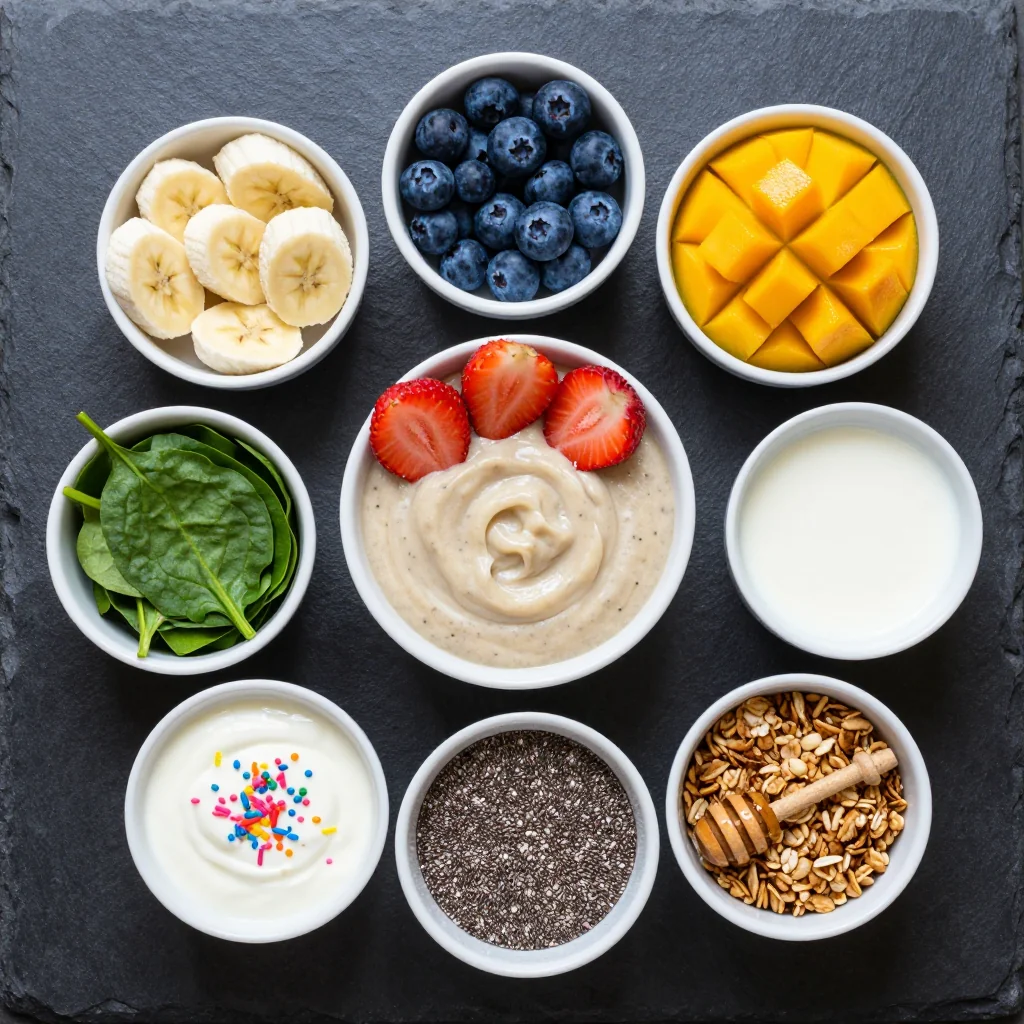
Let's talk about building the perfect smoothie bowl base. The key is achieving that thick, spoonable consistency that makes smoothie bowls so satisfying. After countless experiments (and several soup-like disasters), I've discovered the perfect ratio: 3 parts frozen fruit to 1 part liquid, plus a thickening agent. This formula never fails!
Frozen Banana: The unsung hero of creamy smoothie bowls. I buy overripe bananas in bulk, slice them into coins, and freeze on parchment-lined baking sheets. Once frozen solid, I transfer to zip-top bags. The natural sweetness eliminates need for added sugars, while the pectin creates that dreamy texture kids love. If your child isn't banana-obsessed, frozen mango or steamed-then-frozen cauliflower works too.
Mixed Berries: January is prime time for frozen berries, which are flash-frozen at peak ripeness. I use a rainbow mix—strawberries for vitamin C, blueberries for brain-boosting antioxidants, and raspberries for fiber. Costco's organic mixed berry blend is my go-to, but any combination works. Pro tip: let frozen berries sit at room temperature for 5 minutes before blending for easier processing.
Cauliflower Rice: Before you scroll away, hear me out! Frozen cauliflower rice is completely undetectable when blended with fruit, but it adds serious nutrition and creates an ice-cream-like texture. One cup provides 100% of kids' daily vitamin C needs. If you're skeptical, start with ¼ cup and work up. My kids have no idea they're eating vegetables for breakfast.
Greek Yogurt: Full-fat Greek yogurt adds protein and probiotics for happy tummies. I prefer plain to control sweetness, but vanilla works too. For dairy-free families, coconut yogurt or soaked cashews blended with lemon juice create similar creaminess. The protein is crucial—it keeps kids satisfied through morning lessons and prevents pre-lunch meltdowns.
Plant Milk: Unsweetened almond milk is my standard, but oat milk creates extra creaminess. The key is using just enough to blend—usually ¼ to ½ cup. Too much liquid creates smoothie soup. I keep small containers of milk ice cubes for ultimate thickness. Hemp milk adds omega-3s for brain development, while pea milk offers extra protein.
Date Syrup: Nature's caramel! Soak pitted dates in hot water for 10 minutes, then blend with soaking liquid for a mineral-rich sweetener. One tablespoon provides potassium and iron. For babies under one, substitute with breast milk or formula. Maple syrup works too, but dates offer more nutritional bang for your buck.
How to Make Kid-Friendly Smoothie Bowls for January Mornings
Prep Your Frozen Components
The night before, ensure all fruits and vegetables are properly frozen. Spread frozen banana coins, berries, and cauliflower rice on a baking sheet for 15 minutes to prevent clumping. This step prevents your blender from working overtime and ensures even blending. If using fresh fruit, wash and completely dry before freezing—any moisture creates ice crystals that dull flavors.
Create Your Base Blend
In a high-speed blender, combine 1½ cups frozen mixed berries, 1 cup frozen banana slices, ½ cup frozen cauliflower rice, ½ cup Greek yogurt, and ¼ cup plant milk. Start on low speed, using the tamper to push ingredients toward the blades. Gradually increase to high, adding milk one tablespoon at a time only if needed. The mixture should be thick enough that your blender struggles slightly—this creates the spoonable texture that defines smoothie bowls.
Test the Consistency
Stop blending and test with a spoon. The mixture should mound slightly and hold its shape for 3-5 seconds before slowly spreading. If it's too thin, add more frozen fruit one tablespoon at a time. Too thick? Add milk by the teaspoon. Remember: you can always thin it, but thickening a runny smoothie bowl is nearly impossible without watering down flavor.
Portion into Bowls
Working quickly (to prevent melting), divide the smoothie base among 3-4 small bowls. I love using mini metal prep bowls—they keep contents colder longer. For little kids, ½ cup portions are perfect. Create a small well in the center of each bowl using the back of a spoon; this prevents toppings from sliding off and creates visual appeal.
Set Up the Topping Bar
While kids are washing hands, arrange toppings in small bowls with tiny spoons. My must-haves include: hemp hearts for protein and omega-3s, unsweetened coconut flakes for healthy fats, sliced almonds for crunch and vitamin E, fresh berries for antioxidants, and a drizzle of nut butter for staying power. Keep portions small—2 tablespoons total toppings is plenty for little bellies.
Let Them Create
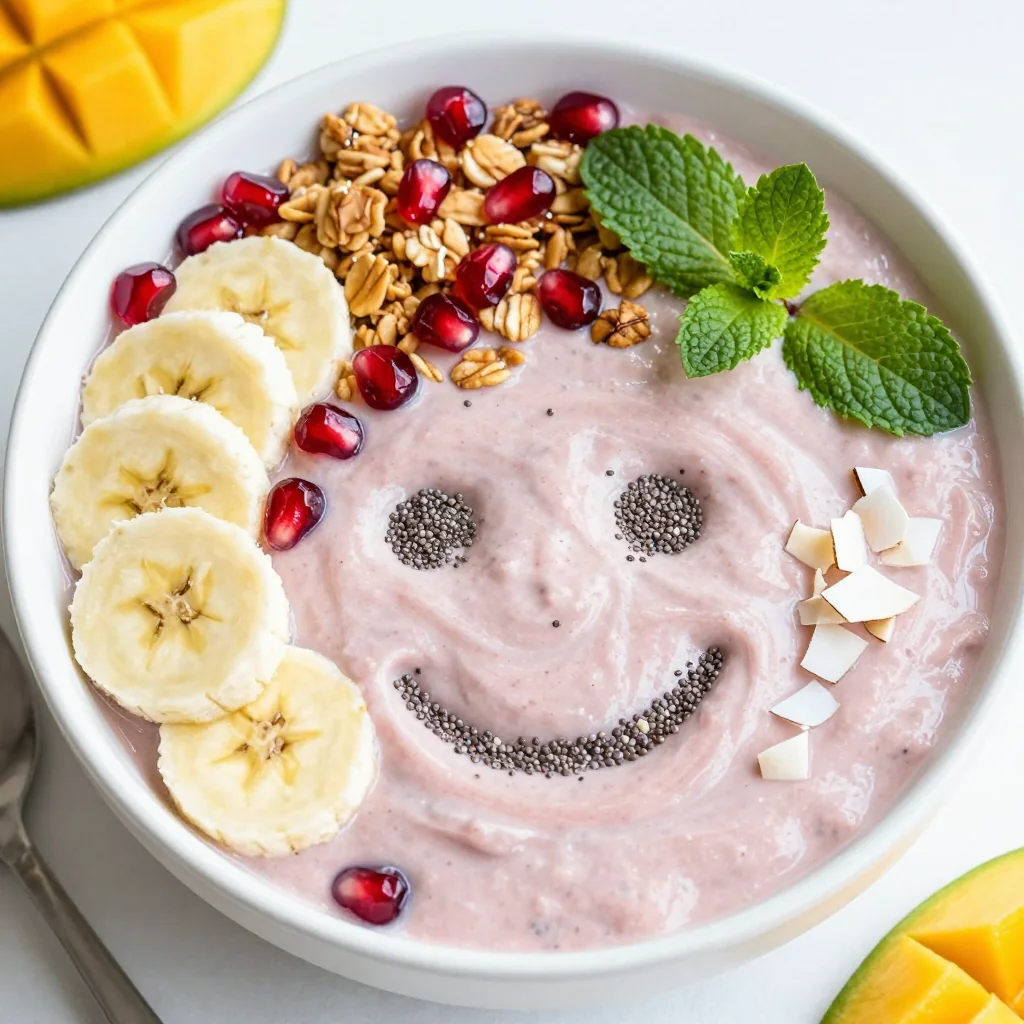
This is where the magic happens! Encourage kids to create patterns, faces, or color gradients. My daughter loves making "sunrise" bowls with berries arranged in rings, while my son builds "monster" faces using banana slices and blueberries. No rules here—except no double-dipping spoons! Take photos before eating; kids love seeing their creations on Instagram (with privacy settings, of course).
Serve Immediately
Smoothie bowls wait for no one! Serve within 2-3 minutes of assembly for optimal texture. Provide small spoons—kids eat more slowly with toddler spoons, extending the experience. If you must prep ahead, blend the base and freeze in ice cube trays. Pop out frozen cubes, blend briefly with a splash of milk, and proceed with toppings.
Clean-Up Strategy
Fill blender with warm water and a drop of dish soap, blend for 30 seconds—voilà, mostly clean! For dried-on residue, blend with ice and coarse salt. Soak bowls in warm soapy water immediately after eating; smoothie residue becomes cement when dry. Keep a spray bottle with diluted vinegar for quick countertop cleanup—kids inevitably create topping confetti.
Expert Tips
Freeze Everything
Chill your bowls in the freezer for 10 minutes before serving. Cold bowls prevent the smoothie base from melting instantly, buying you precious time for topping artistry.
Blender Power
If your blender struggles, add ingredients in reverse order: liquids first, then soft items, frozen on top. This creates a vortex that pulls ingredients toward blades.
Natural Food Coloring
For pink bowls, add cooked beet. Green? Try spirulina or spinach. Blue comes from butterfly pea flower tea. These create Instagram-worthy colors without artificial dyes.
Weekend Prep
Portion frozen ingredients into silicone muffin cups. Freeze, then pop out and store in bags. Morning rush? Dump one frozen puck into your blender with liquid.
Allergy Swaps
Replace Greek yogurt with coconut cream for dairy-free. Use sunflower seed butter instead of almond. Oat milk works for nut allergies—just ensure it's certified gluten-free.
Protein Boost
Add 2 tablespoons collagen peptides or vanilla protein powder for growing kids. Silken tofu blends invisibly for plant-based protein that doesn't affect flavor.
Variations to Try
Tropical Sunshine
Swap berries for frozen mango and pineapple. Add ½ teaspoon turmeric for golden color and anti-inflammatory benefits. Top with toasted coconut and kiwi slices.
Chocolate Peanut Butter
Add 2 tablespoons cocoa powder and 1 tablespoon peanut butter. Sweeten with extra banana. Kids think it's dessert for breakfast—parents know it's packed with protein.
Apple Pie
Use frozen applesauce cubes, add cinnamon, nutmeg, and vanilla. Top with granola and diced apples sautéed in coconut oil. Tastes like autumn in a bowl.
Green Monster
Spinach, avocado, and pineapple create a sweet-green combo. The avocado makes it extra creamy while healthy fats keep kids full. Add chia seeds for omega-3s.
Strawberry Cheesecake
Blend in 2 tablespoons cream cheese or cashew cream with strawberries. Add graham cracker crumbs on top. It's like having dessert for breakfast, but healthier!
Storage Tips
Make-Ahead Smoothie Packs: Portion frozen fruits and vegetables into quart-size freezer bags. Lay flat to freeze, then stack like books in your freezer. These stay good for 3 months. Label with blending instructions: "Add ½ cup milk, blend until smooth."
Blended Base Storage: Made too much? Smoothie base can be frozen in ice cube trays for up to 2 months. Blend frozen cubes with a splash of milk for instant smoothie bowls. Don't refreeze after thawing—texture suffers significantly.
Topping Organization: Store toppings in a clear tackle box with adjustable compartments. Kids can see options without opening every container. Keep nuts and seeds in the freezer to prevent rancidity. Dried fruits stay fresh for months in airtight containers.
Weekend Prep Strategy: Sunday night, wash and prep all fresh toppings. Portion nuts and seeds into small containers. Make date syrup—it keeps for 2 weeks refrigerated. Set up your topping station so weekday mornings require only blending and assembly.
Frequently Asked Questions
Absolutely not! Frozen cauliflower rice has virtually no flavor when blended with fruit. Start with just 2 tablespoons and work up to ½ cup. The trick is using frozen (not fresh) cauliflower—it blends smoother and has milder flavor. My vegetable-averse nephew devours these bowls weekly, none the wiser.
Fresh fruit creates smoothie soup—you need the ice crystals in frozen fruit for thickness. If fresh is all you have, freeze fruit pieces on a baking sheet for 2 hours before using. Or add 1-2 cups of ice, but this dilutes flavor. In summer, freeze fresh berries at peak ripeness for winter smoothie bowls.
Let frozen ingredients thaw for 5-10 minutes first. Add liquids to blender first, then fresh ingredients, frozen on top. Blend in pulses, shaking blender between bursts. Or invest in a $20 immersion blender—surprisingly powerful for smoothie bowls. Work in smaller batches if needed.
Thickness is key—your base should mound like soft-serve ice cream. Create a small well in the center using the back of a spoon, then add heavier toppings first (granola, nuts) followed by lighter ones (coconut, seeds). Serve immediately in pre-chilled bowls. If toppings still sink, your smoothie base is too thin.
Absolutely! Each bowl packs 15-20g protein from Greek yogurt and toppings, plus healthy fats from nuts and fiber from fruits. The key is portion size—1½ cups smoothie base plus 2-3 tablespoons toppings keeps my 8-year-old full until lunch. For older kids, add protein powder or extra nut butter.
For dairy-free: Use coconut yogurt or silken tofu. Nut allergies: Swap almond milk for oat milk and use sunflower seed butter. Gluten concerns: Ensure all toppings are certified gluten-free (oats, granola). Egg allergies aren't an issue here. Always read labels—some plant milks contain tree nuts.
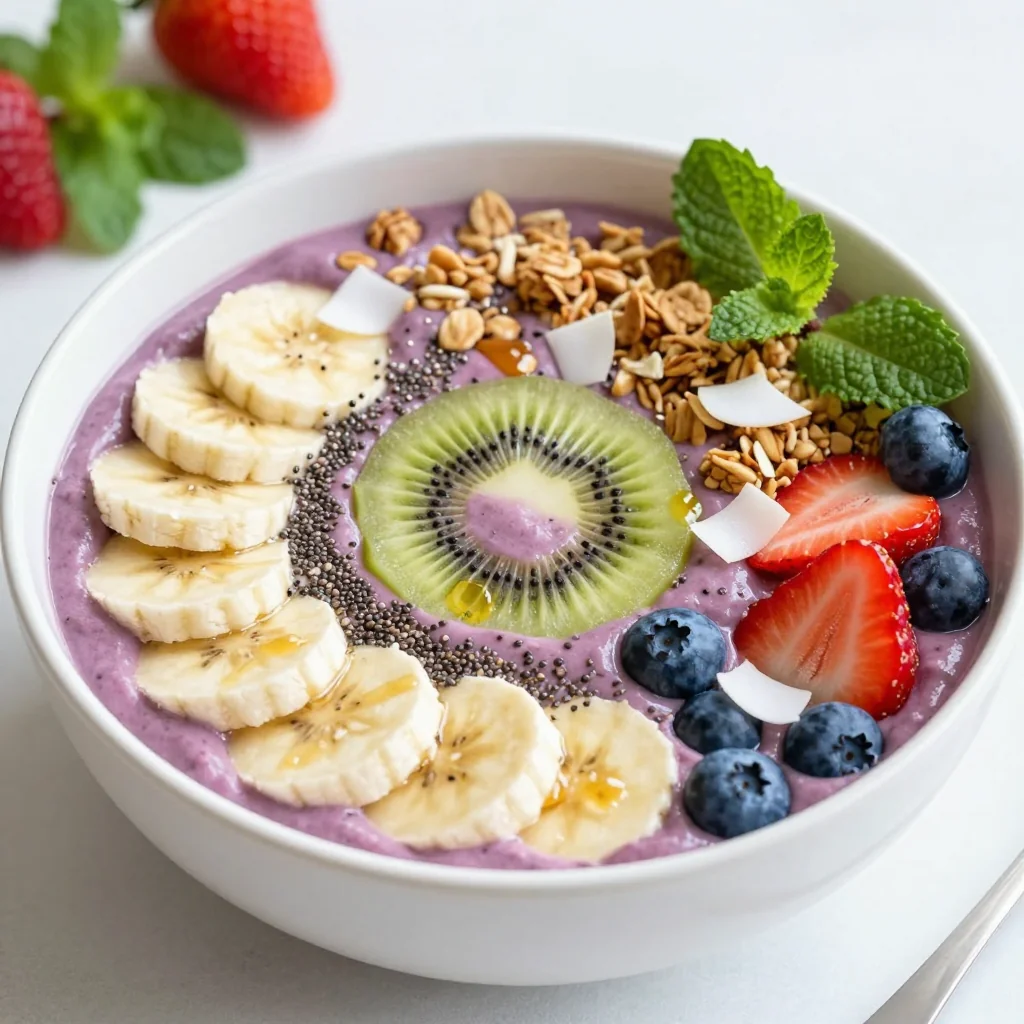
Kid-Friendly Smoothie Bowls for January Mornings
Ingredients
Instructions
- Prep frozen ingredients: Let frozen fruit and cauliflower sit at room temperature for 5 minutes to slightly soften for easier blending.
- Blend base: In a high-speed blender, combine frozen berries, banana, cauliflower, yogurt, ¼ cup milk, and vanilla. Start on low, gradually increase to high, adding milk only if needed.
- Check consistency: Blend until thick and creamy, stopping to scrape sides as needed. Mixture should mound like soft-serve ice cream.
- Portion into bowls: Working quickly, divide smoothie base among 3 small bowls. Create a shallow well in the center using the back of a spoon.
- Add toppings: Sprinkle each bowl with hemp hearts, coconut, and almonds. Arrange fresh berries on top and drizzle with almond butter.
- Serve immediately: Enjoy with small spoons, encouraging kids to mix toppings into the smoothie base as they eat.
Recipe Notes
For dairy-free version, substitute coconut yogurt for Greek yogurt. Make-ahead tip: Portion frozen ingredients into freezer bags for instant smoothie packs. Thaw 5 minutes before blending for best results.