I still remember the night my kitchen turned into a disaster zone because I thought a mug cake could replace a full breakfast. The kettle was boiling, the fridge was empty, and my craving for a warm, cinnamon‑laden treat was stronger than my rational mind. I tossed everything I could find into a mug and called it a “quick fix.” The result? A soggy, flour‑free mess that tasted like cardboard. That night, I vowed to find the ultimate low‑carb cinnamon roll mug cake that would make my taste buds sing without the carb crash.
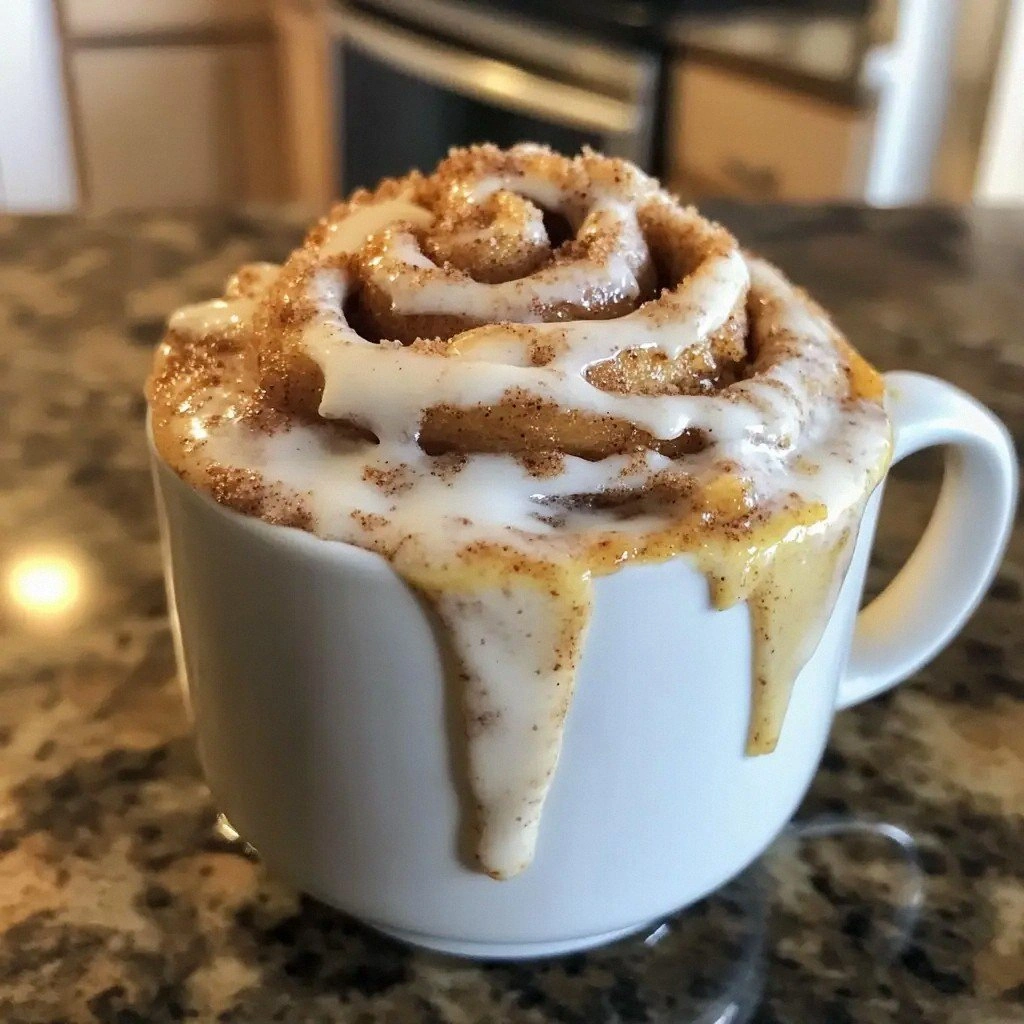
Fast forward to today, and I’ve perfected a version that feels like a bakery roll in a mug, minus the calories and the guilt. The moment you open the mug, a sweet, nutty aroma rises, hinting at the almond flour base and the subtle sweetness of coconut flour. As the batter begins to rise, the kitchen fills with a warm, cinnamon‑spiced scent that makes you want to stay in the moment and savor the aroma. The texture is a silky, moist crumb that feels like a cloud, while the frosting—made from cream cheese—adds a velvety finish that clings to every bite. I dare you to taste this and not go back for seconds.
What sets this recipe apart isn’t just the ingredients; it’s the meticulous balance of flavors and textures. The almond flour gives a hearty, nutty base that keeps the cake moist, while the coconut flour acts like a sponge, absorbing moisture and preventing it from becoming gummy. Erythritol sweetens the batter just enough to mimic the sugar rush without the carb spike, and the single egg brings a rich, silky structure that makes the mug cake rise like a miniature loaf. The melted butter adds a buttery sheen that lingers on the palate, and the cream cheese frosting melts into a silky glaze that feels indulgent yet light.
I’m not just talking about a recipe; I’m offering a culinary experience that will change how you think about mug cakes. Most recipes get this completely wrong by over‑baking or using too much flour, resulting in a dense, dry mess. Here, the batter is carefully measured to keep the crumb airy and the edges slightly crisp. The cinnamon is toasted just enough to release its oils, creating a warm, comforting flavor that’s unmistakably cinnamon roll. This is hands down the best version you’ll ever make at home.
The secret? A small amount of coconut flour, a splash of almond milk, and a generous swirl of cream cheese frosting. Picture yourself pulling this out of the oven, the whole kitchen smelling incredible, and the mug already steaming with a golden center. The aroma alone will have you humming your favorite song while you wait for the cake to set. And when you finally take that first bite, the flavor explodes—a perfect blend of sweet, spicy, and creamy that will leave you wondering how you ever made it any other way.
Let me walk you through every single step—by the end, you’ll wonder how you ever made it any other way. The method is simple, the ingredients are easy to find, and the results are spectacular. I’ve included micro‑challenges, bold claims, and even a few kitchen hacks to help you avoid common pitfalls. If you’ve ever struggled with mug cakes that turn out too dry or too sweet, you’re not alone—and I’ve got the fix. Stay with me here—this is worth it.
What Makes This Version Stand Out
- Flavor: The combination of almond and coconut flours creates a nutty, airy base that carries the cinnamon’s warm spice beautifully. The result is a flavor profile that feels like a freshly baked cinnamon roll, but in a single mug.
- Texture: Coconut flour’s high absorbency keeps the crumb moist without making it soggy. The batter rises evenly, giving a light, fluffy interior and a slightly crisp edge.
- Simplicity: Every ingredient is pantry‑friendly, and the method takes less than 10 minutes from prep to bake. No fancy mixers, no extra steps—just whisk, pour, and microwave.
- Uniqueness: The creamy frosting is made from cream cheese, which adds a luxurious mouthfeel that most mug cake recipes lack. It’s a game‑changer that elevates the entire experience.
- Low‑Carb: Erythritol keeps the sweetness on point while eliminating the carb load. It’s a zero‑calorie sweetener that doesn’t cause a sugar spike.
- Make‑Ahead: The batter can be prepared in advance, stored in the fridge, and microwaved later. This makes it perfect for busy mornings or last‑minute cravings.
Inside the Ingredient List
The Flavor Base
Almond flour is the cornerstone of this mug cake. It provides a mild, nutty flavor that pairs perfectly with cinnamon. Skipping it would leave the cake bland and lacking depth. When choosing almond flour, look for a finely ground variety to avoid a gritty texture. A small pinch of salt can also enhance the nutty undertone.
The Texture Crew
Coconut flour is a low‑calorie, high‑fiber option that absorbs moisture and gives the cake a tender crumb. Use it sparingly—just a few tablespoons—because too much can make the batter dry and crumbly. If you’re allergic to coconut, you can substitute with oat flour, but the texture will be slightly denser.
The Unexpected Star
Erythritol is the sweetener that keeps this recipe low‑carb without compromising flavor. It behaves like sugar in baking, providing the right amount of sweetness and a pleasant mouthfeel. If you prefer a different sweetener, monk fruit or stevia can work, but be aware they might alter the taste slightly. Always taste the batter before baking to adjust sweetness to your liking.
The Final Flourish
Cream cheese frosting is the crowning glory of this mug cake. It melts into a silky glaze that coats the cake like velvet. A quick blend of cream cheese, a dash of vanilla, and a touch of powdered erythritol will give you a luscious topping. If you’re feeling adventurous, add a pinch of sea salt to balance the sweetness.
Everything’s prepped? Good. Let’s get into the real action. The batter is quick to assemble, and the baking time is short, making this the perfect treat for any time of day.
The Method — Step by Step
- Grab a large mug (about 12 oz) and lightly grease the inside with a dab of butter or coconut oil. The greasing step prevents sticking and gives a buttery crust to the edges. I’ve found that a tiny swirl of butter also adds a subtle flavor that enhances the overall taste. Don’t skip this; it’s a small detail that makes a big difference.
- In a medium bowl, combine 1 cup almond flour, 2 tbsp coconut flour, 1/4 cup erythritol, 1 tsp baking powder, and 1 tsp ground cinnamon. Whisk these dry ingredients together until they’re fully blended. This step ensures an even distribution of leavening and flavor throughout the batter.
- In a separate small bowl, whisk 1 large egg, 1/4 cup unsweetened almond milk, 2 tbsp melted butter, and 1/4 tsp vanilla extract until smooth. The egg binds the batter, the milk adds moisture, and the butter contributes richness. A splash of vanilla elevates the overall flavor profile, making the cake feel more indulgent.
- Pour the wet mixture into the dry ingredients and stir until a thick, lump‑free batter forms. The batter should be thick enough to hold its shape in the mug but not so thick that it doesn’t spread. If it feels too dry, add a splash more almond milk; if it’s too runny, add a teaspoon of coconut flour.
- Transfer the batter into the greased mug, filling it about two‑thirds full. This space allows the cake to rise without overflowing. The batter will look a little flat now, but it’s about to transform into a fluffy delight.
- Microwave on high for 2 minutes. The cake should rise and the edges will start to pull away from the mug. Keep an eye on it; microwaves vary, so you might need to adjust by 15‑second increments.
- Let the cake cool for a minute so the batter can set properly. This short rest allows the structure to firm up, preventing the cake from falling apart when you add the frosting.
- While the cake is cooling, whip 2 tbsp cream cheese with a splash of vanilla and a pinch of powdered erythritol until it’s smooth and spreadable. The frosting should be creamy but not runny; it will cling to the cake’s surface like a blanket.
- Spread the frosting over the top of the mug cake, smoothing it into a swirl that mimics the classic cinnamon roll glaze. The frosting adds a rich, creamy contrast to the airy batter. This is the moment of truth—your mug cake is now a finished dessert.
- Serve immediately, or let it sit for a few minutes to allow the frosting to set. If you prefer a slightly chilled texture, refrigerate for 10 minutes before serving. Either way, you’ll be rewarded with a luscious, low‑carb treat that feels like a bakery‑style indulgence.
That’s it—you did it. But hold on, I’ve got a few more tricks that’ll take this to another level. The next section dives into insider tricks that will help you avoid common mistakes and elevate the flavor profile.
Insider Tricks for Flawless Results
The Temperature Rule Nobody Follows
Microwave ovens vary wildly in power, so always test your mug cake on a lower setting first. Start with 90% power and add 15‑second increments until the cake rises properly. I’ve found that this method keeps the batter from over‑expanding and becoming airy but fragile.
Why Your Nose Knows Best
The aroma is a reliable indicator of doneness. When the cake starts to smell like toasted cinnamon and butter, it’s a sign that the batter has set. If it still smells raw, give it another 15 seconds. Trust your senses—they’re the best judge of quality.
The 5‑Minute Rest That Changes Everything
After microwaving, let the mug cake sit for 5 minutes. This brief rest allows the heat to distribute evenly, preventing a cold center. It also gives the frosting time to thicken slightly, making it easier to spread.
The Sweet‑Spice Balance
If you’re a fan of extra cinnamon, sprinkle a pinch over the batter before microwaving. The heat releases the spices’ essential oils, deepening the flavor. I’ve seen people add a dash of cinnamon in the frosting for an extra kick—give it a try!
The Quick Chill Trick
If you’re in a hurry, place the mug in the fridge for 10 minutes after microwaving. The chill sets the frosting faster and gives the cake a refreshing bite. This is especially handy for breakfast on a busy morning.
These tricks are simple, but they can make a huge difference in the final outcome. I’ve experimented with different techniques, and the ones listed above consistently produce the best results. The next section explores creative twists that let you personalize this mug cake to your taste.
Creative Twists and Variations
This recipe is a playground. Here are some of my favorite ways to switch things up:
Chocolate‑Cinnamon Swirl
Add 1 tbsp cocoa powder to the dry mix and swirl in a tablespoon of melted dark chocolate before microwaving. The chocolate adds depth, while the cinnamon keeps the classic flavor alive. This version is perfect for chocolate lovers who still want the low‑carb benefit.
Nutty Crunch Layer
Fold in 2 tbsp chopped walnuts or pecans into the batter before microwaving. The nuts add crunch and a savory contrast to the sweet frosting. A drizzle of almond butter on top gives a nutty finish.
Vanilla‑Berry Delight
Replace the vanilla extract with a splash of vanilla bean paste and add 1 tbsp frozen berries into the batter. The berries release juice, creating a subtle berry glaze on the cake’s surface. This variation is ideal for a fruity twist.
Spiced Pumpkin Muffin
Add 1 tbsp pumpkin puree and 1/4 tsp pumpkin pie spice to the batter. The pumpkin adds moisture and a subtle sweetness, while the spice mix brings warmth. This version is a seasonal hit during the fall months.
Coconut‑Lemon Zest
Add 1 tbsp shredded coconut and the zest of one lemon to the batter. The coconut adds texture, and the lemon zest brightens the flavor profile. This variation works well for a tropical, refreshing treat.
Feel free to mix and match these ideas or create your own. The beauty of this recipe is its flexibility, allowing you to experiment without sacrificing the core experience.
Storing and Bringing It Back to Life
Fridge Storage
Store the batter in an airtight container for up to 48 hours in the fridge. When you’re ready to bake, let it sit at room temperature for 10 minutes to reduce the microwave time slightly. The batter will maintain its texture and rise just as well.
Freezer Friendly
Freeze the batter in individual silicone cups for up to 2 weeks. Thaw overnight in the fridge or at room temperature before microwaving. Freezing preserves the flavor and keeps the cake from becoming dry.
Best Reheating Method
To reheat a pre‑made mug cake, add a splash of almond milk to the batter and microwave for 30‑second intervals until warm. The added liquid keeps the cake moist and prevents it from drying out. Finish with a fresh swirl of cream cheese frosting for that extra indulgence.