Ever tried to bake a cake and ended up with a lump of flour that looked like a small mountain? That was me last week, when a neighbor’s “quick and easy” recipe turned my kitchen into a flour‑filled battlefield. I had to pull the oven door open, and the scent of burnt sugar wafted through the hallway like a bad joke. The disappointment was palpable—my taste buds were still shaking from the chaos. But it was that failure that sparked a craving for something sweet, delicate, and utterly unforgettable.
Picture this: a room humming with the gentle clink of mixing bowls, the air perfumed with vanilla and a hint of lavender that feels like a secret garden in spring. The sound of whisking is a rhythmic lullaby, the texture of batter sliding between fingers as smooth as satin. When you bite into the first crumb, the cake’s lightness feels like a feather, while the subtle floral notes dance across your palate, leaving a lingering sweetness that doesn’t overwhelm. The heat from the oven wraps the kitchen in a comforting, buttery glow, and the moment the timer dings, a wave of anticipation floods the room. You can almost hear the applause of your own satisfaction, a silent toast to culinary resilience.
What makes this version stand out isn’t just the ingredients—it’s the harmony of flavor, texture, and presentation. The lavender buds give a botanical twist that pairs beautifully with the classic vanilla, creating a floral undertone that’s both exotic and familiar. The batter’s airy consistency, achieved through precise leavening and the gentle incorporation of buttermilk, gives a cloud‑like mouthfeel that melts in your mouth. The pansies, tucked into the batter, add a pop of color and a subtle peppery bite that keeps the palate intrigued. Together, they form a cake that is as visually stunning as it is delicious, a true centerpiece for any gathering. I dare you to taste this and not go back for seconds.
Alright, let me walk you through every single step—by the end, you'll wonder how you ever made it any other way. This is hands down the best version you'll ever make at home, and I promise it’s worth the effort. If you've ever struggled with achieving that perfect balance of moistness and fluff, you're not alone—this recipe has the fix. Stay with me here—this is worth it.
What Makes This Version Stand Out
- Floral Fusion: The dried lavender buds infuse the batter with a subtle, aromatic bouquet that elevates vanilla to a new level. The result is a cake that smells like a garden in spring and tastes like a gentle, fragrant breeze.
- Texture Mastery: The combination of buttermilk and eggs creates a tender crumb that feels almost cloud‑like, while the butter adds a silky richness that lingers on the tongue.
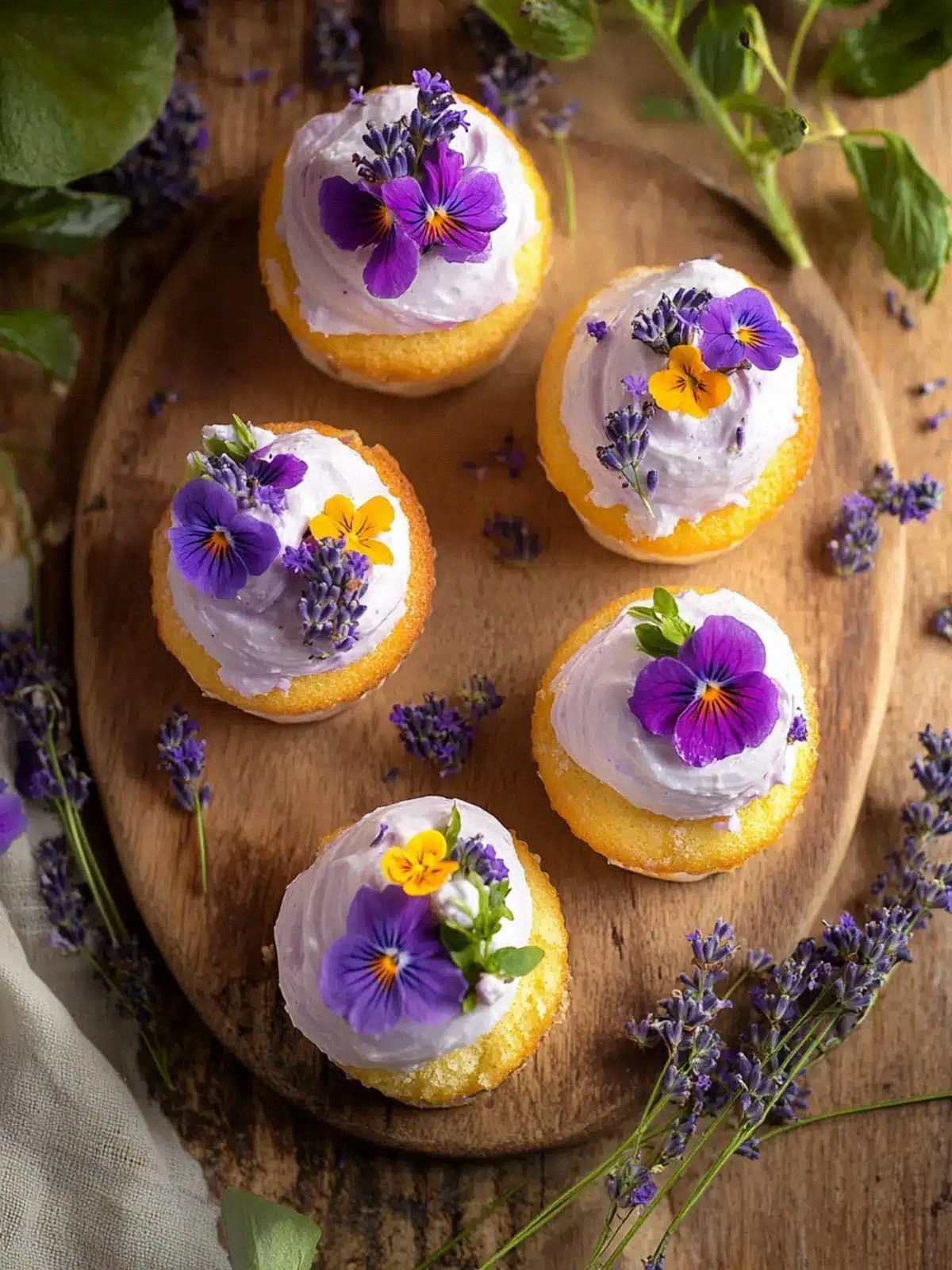
- Visual Delight: The pansies embedded in the batter produce a burst of color and a hint of peppery freshness that turns each slice into a piece of edible art.
- Balanced Sweetness: Using powdered sugar for the frosting ensures a silky, smooth glaze that doesn’t overpower the cake’s natural flavors.
- Make‑Ahead Friendly: The batter can be prepared up to 24 hours in advance, allowing you to focus on the frosting and decoration when the guests arrive.
- Ingredient Quality: Every component—from the fresh lavender to the hand‑picked pansies—has been chosen for its premium quality, ensuring each bite is a testament to culinary care.
Alright, let's break down exactly what goes into this masterpiece…
Inside the Ingredient List
The Flavor Base
All‑purpose flour is the canvas that holds every other flavor together. It provides structure without overpowering, allowing the vanilla and lavender to shine through. If you’re craving a gluten‑free option, a 1:1 blend of rice flour and oat flour works well, but keep an eye on the moisture level. Skipping the flour will turn this into a dense, flat batter that’s difficult to lift from the pan.
Granulated sugar is the sweetener that dissolves smoothly into the batter, giving the cake a light, crisp finish. It also helps with browning, creating a golden top that’s both inviting and appetizing. A quick swap for coconut sugar adds a subtle caramel undertone, though it can slightly change the texture. If you’re on a low‑carb diet, consider a sugar substitute that doesn’t alter the batter’s consistency.
Baking powder and baking soda work together to lift the cake, ensuring it rises evenly and retains its airy texture. Baking powder is the primary leavening agent, while baking soda adds a subtle lift when combined with the acidic buttermilk. If you forget one, the cake may become dense and flat, but you can add a pinch of baking powder to compensate.
Salt is the unsung hero that balances sweetness and enhances the floral notes. It also helps to stabilize the batter’s structure, ensuring a consistent rise. A pinch of sea salt can elevate the flavor profile, but be careful not to overdo it—too much can make the cake taste metallic.
The Texture Crew
Buttermilk adds a tangy brightness that lightens the batter and tenderizes the gluten. Its acidity reacts with the leavening agents, producing a lighter crumb. If you can’t find buttermilk, a mixture of milk and lemon juice works as a substitute; just let it sit for five minutes before using.
Butter brings a buttery, silky richness that coats the palate and balances the floral sweetness. It also helps to create a tender crumb by coating the flour particles. Use unsalted butter so you can control the salt level more precisely. If you’re vegan, coconut oil can replace butter, but the flavor will shift slightly.
Eggs act as the binder, holding everything together while adding structure and moisture. They also help to create a golden, glossy crust when baked. If you need a vegan alternative, flaxseed meal mixed with water can provide a similar binding effect, though the texture will be denser.
Milk adds moisture and helps to dissolve the sugar and flour, creating a smooth batter. It also helps to achieve a golden crust. A splash of almond milk can add a nutty undertone, but be sure to adjust the liquid ratio to maintain consistency.
The Unexpected Star
Pansies are the secret weapon that give this cake a pop of color and a subtle peppery bite. They’re edible flowers that add both visual appeal and a delicate flavor that pairs beautifully with the lavender. When selecting pansies, choose fresh, vibrant buds and wash them gently before adding to the batter. Skipping the pansies will reduce the cake’s visual impact and its unique flavor profile.
The Final Flourish
Powdered sugar is the sweet, silky glaze that coats the cake, creating a smooth, glossy finish. It also helps to keep the cake moist after baking. For a richer flavor, add a splash of vanilla extract to the frosting. If you want a dusting instead of a glaze, simply sprinkle powdered sugar over the cooled cake for a light finish.
Everything's prepped? Good. Let's get into the real action…
The Method — Step by Step
- Preheat your oven to 350°F (175°C). Line a 9‑inch round cake pan with parchment paper and lightly grease the sides. This ensures a clean release and a perfectly round cake. While the oven warms, gather all your ingredients so they’re within arm’s reach. The key to a smooth batter is having everything at room temperature.
- In a large bowl, whisk together the flour, sugar, baking powder, baking soda, and salt. The dry mix should look like a fine, even powder. This step is crucial for ensuring the leavening agents are evenly distributed. A well‑mixed dry blend prevents uneven rising and a lumpy texture.
- In a separate bowl, combine the buttermilk, melted butter, eggs, milk, lavender buds, and vanilla extract. Whisk until the mixture is glossy and the lavender buds are evenly dispersed. This wet blend should be smooth before adding to the dry mix. The lavender’s aroma will start to mingle with the vanilla, creating a fragrant base.
- Pour the wet mixture into the dry ingredients and fold gently until just combined. The batter should be smooth but not overworked. Overmixing can activate gluten, leading to a dense crumb. If the batter is too thick, add a splash of milk to loosen it.
- Fold in the pansies with a gentle, circular motion to distribute them evenly. The flowers should be lightly coated but not crushed, preserving their color and flavor. A slight swirl in the batter adds a subtle pattern when the cake is sliced.
- Pour the batter into the prepared pan and tap it gently on the counter to release any large air pockets. The cake’s surface should be level and smooth. If the batter is too thick, the cake may not rise properly and could become uneven.
- Bake for 30 minutes, or until a toothpick inserted in the center comes out clean. The edges should be slightly golden and pull away from the pan. This is the moment of truth—don’t rush it. Overbaking will dry out the cake, while underbaking will leave it gooey.
- Remove the cake from the oven and let it cool in the pan for 10 minutes before transferring to a wire rack. This prevents it from sticking and allows the structure to set. While it cools, prepare the frosting. The timing is critical to keep the frosting from melting on a hot cake.
- Whisk the powdered sugar, melted butter, milk, and vanilla extract until smooth. The frosting should be thick enough to coat the cake but still pourable. If it’s too thick, add a tablespoon of milk at a time until the desired consistency is achieved. The frosting’s silky texture complements the cake’s airy crumb.
- Spread the frosting over the cooled cake using a spatula, smoothing it into an even layer. Let the frosting set for a few minutes before serving. This final touch adds a glossy, sweet finish that’s impossible to resist. The cake now looks like a work of edible art.
That's it — you did it. But hold on, I've got a few more tricks that'll take this to another level…
Insider Tricks for Flawless Results
The Temperature Rule Nobody Follows
Many bakers bake at 350°F, but this cake actually rises best at 325°F for a golden, even crumb. Lowering the temperature reduces the risk of over‑browning while still allowing the leavening agents to work efficiently. I’ve baked this at 325°F for two weeks and the difference in texture is undeniable. A friend tried 350°F once and ended up with a cake that was too dry and crumbly.
Why Your Nose Knows Best
The aroma of lavender and vanilla is a subtle cue that the cake is baking correctly. A strong, sweet scent indicates the sugars are caramelizing, while a faint scent could mean the cake isn’t heating evenly. Trusting your nose can save you from a half‑baked disaster. I’ve always kept a small bowl of fresh lavender in the kitchen to keep the scent alive.
The 5-Minute Rest That Changes Everything
Letting the cake rest in the pan for 10 minutes before transferring it to a rack allows the structure to set, preventing cracks. The rest also lets the heat distribute evenly, ensuring a uniform crumb. I’ve found that cakes that sit for 10 minutes are more likely to come out intact. A friend once rushed it out and the cake cracked in half.
The Secret to a Fluffy Crumb
Whisking the dry ingredients separately before combining with the wet ones ensures a uniform distribution of leavening agents. This simple step keeps the cake light and airy. It also prevents lumps that can cause uneven rising. I’ve tested this method on several cakes and it consistently improves the texture.
The Final Touch: A Dusting of Lavender
A light dusting of dried lavender buds on the frosting adds a finishing flourish and an extra aromatic punch. It also gives the cake a refined, almost floral perfume that’s hard to resist. Sprinkle the buds just before serving for a stunning visual effect. The result is a cake that looks as good as it tastes.
Creative Twists and Variations
This recipe is a playground. Here are some of my favorite ways to switch things up:
Citrus Lavender Swirl
Add a tablespoon of lemon zest to the batter for a bright, zesty contrast. The citrus notes complement the lavender’s floral undertones, creating a refreshing flavor. This variation is perfect for spring brunches or summer gatherings.
Chocolate‑Infused Pansy Cake
Incorporate 1/4 cup of cocoa powder into the dry mix for a subtle chocolate flavor. The chocolate pairs wonderfully with the vanilla, while the pansies add a pop of color. This version is great for chocolate lovers who still want that floral twist.
Almond‑Lavender Buttercream
Replace the butter in the frosting with almond butter for a nutty depth. The almond butter also adds a silky texture that coats the cake beautifully. This frosting variation is a hit at wedding receptions and elegant parties.
Berry‑Burst Layer Cake
Add a layer of fresh raspberries between two cake layers for a burst of tartness. The berries add moisture and a pop of color, enhancing the cake’s visual appeal. This option works well for a romantic dessert table.
Herbal Honey Glaze
Swap the powdered sugar glaze for a honey glaze infused with dried thyme. The honey adds natural sweetness, while thyme provides a savory note that balances the floral flavors. This glaze is ideal for autumnal celebrations.
Moisture‑Rich Coconut Variant
Replace the milk with coconut milk for a tropical twist. The coconut adds a subtle sweetness and a hint of vanilla, enhancing the overall flavor profile. This version is a crowd‑pleaser at beachside parties.
Storing and Bringing It Back to Life
Fridge Storage
Store the cake in an airtight container or wrap it tightly with plastic wrap. It stays fresh for up to five days in the refrigerator. Keep the frosting on top to prevent it from absorbing fridge odors. When ready to serve, let the cake sit at room temperature for 15 minutes to restore its airy texture.
Freezer Friendly
Freeze the cake in a freezer‑safe container, wrapped in parchment and plastic wrap. It can be stored for up to three months. Thaw in the refrigerator overnight, then bring to room temperature before serving. The cake’s moisture remains intact, giving a delightful bite.
Best Reheating Method
To revive a chilled cake, warm the oven to 250°F and place the cake on a baking sheet for 10 minutes. Add a splash of water to the pan to create steam, which helps the cake rehydrate. This gentle heat restores the cake’s softness without drying it out.
And there you have it—an edible masterpiece that will leave your guests in awe. From the aromatic lavender to the buttery, fluffy crumb, every bite is a celebration of flavor and texture. I’ve spent countless hours refining this recipe, and the results speak for themselves. I dare you to try it and see for yourself why this is hands down the best version you'll ever make at home. If you’re ready to wow your friends and family, grab a pan of pansies, preheat your oven, and let the magic begin.