Picture this: a scorching summer evening, a backyard grill humming like a contented cat, and me, a culinary daredevil, standing in my kitchen with a handful of ground chicken and a dream. The kitchen had been a battlefield last night—spilled marinades, burnt onions, and a pantry that felt more like a spice apocalypse than a culinary haven. I stared at the chicken, the onions, the garlic, and thought, “This is the moment to rewrite the rules.” I promised myself that this would be the best version of Chicken Koobideh anyone could ever imagine, and I was determined to prove it to you, my fellow foodie. I dare you to taste this and not go back for seconds because once the first bite hits, the rest will feel like a betrayal of the ordinary. The aroma that unfurls as the onions caramelize is a siren’s call—sweet, nutty, and unmistakably comforting. The sizzling sound that fills the air is the soundtrack of anticipation, a rhythmic drumbeat that syncs with my heartbeat. The texture of the meat, tender yet firm, promises a melt-in-your-mouth experience that is both satisfying and indulgent. The first bite is a revelation: smoky char, herbal brightness, and a subtle heat that lingers like a well‑played guitar solo. I’ll be honest— I ate half the batch before anyone else got to try it. The moment you finish, you’ll find yourself reaching for more, because the flavor profile is a rollercoaster that never ends. This is hands down the best version you'll ever make at home, and I’m about to walk you through every single step—by the end, you’ll wonder how you ever made it any other way.
What Makes This Version Stand Out
- Flavor: The combination of turmeric, saffron, and sumac creates a complex, layered taste that dances on the palate, unlike the flat seasoning of many generic koobideh recipes.
- Texture: The finely ground chicken, mixed with grated onion and garlic, yields a silky, cohesive mixture that holds together on the grill, preventing the dreaded “meat loose” moment.
- Authenticity: By using saffron threads instead of artificial saffron powder, we capture the authentic aroma that Persian chefs swear by.
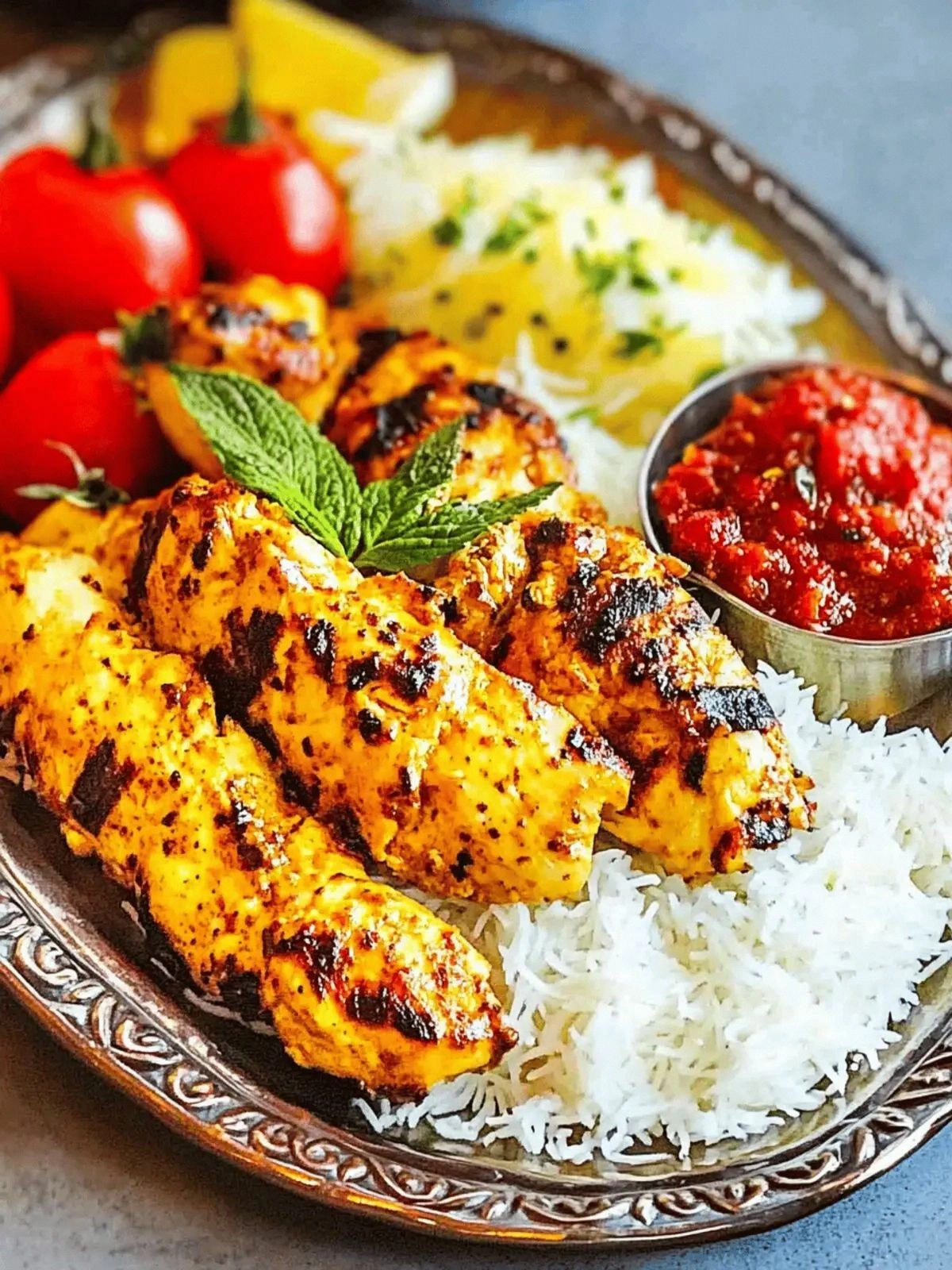
- Visual Appeal: The bright green parsley garnish and the golden‑brown grill marks make the dish Instagram‑ready without any extra fuss.
- Time Efficiency: The entire process from prep to plate takes less than an hour, making it ideal for weekday dinners.
- Make‑Ahead Potential: The mixture can be formed and refrigerated for up to 24 hours, allowing you to grill on a busy night while still enjoying fresh flavor.
- Versatility: It pairs effortlessly with rice, flatbread, or a crisp salad, making it suitable for a variety of meal plans.
- Health Conscious: Lean ground chicken keeps the dish low in fat while delivering high protein, making it a smart choice for anyone watching their macros.
Alright, let’s break down exactly what goes into this masterpiece…
Inside the Ingredient List
The Flavor Base
Turmeric is more than a color enhancer; it’s a subtle earthy spice that grounds the sweetness of the onions. When combined with garlic, it forms a fragrant foundation that permeates the meat as it cooks. If you skip turmeric, the dish loses its signature golden hue and depth, ending up a plain, almost bland mixture.
Saffron threads are the real secret sauce. A pinch of these golden strands releases a floral, slightly bitter aroma that elevates the entire dish. If you’re on a budget, a few drops of saffron extract can mimic the flavor, but the texture and authenticity will differ.
Sumac, with its bright, lemony tang, provides a citrus lift that balances the richness of the chicken. Adding sumac at the very end, after grilling, preserves its sharpness. Skipping sumac results in a flatter taste profile, missing that zing that keeps the dish lively.
The Texture Crew
Ground chicken is the star; its lean nature keeps the koobideh juicy while preventing it from becoming rubbery. Using a meat grinder or a high-speed blender ensures a fine texture that clings together. If you use a thicker cut, the meat may separate on the grill, creating uneven bites.
Onions are grated finely to release their natural sugars, which caramelize during cooking. This caramelization adds a sweet contrast to the savory meat. A coarse onion mix will result in uneven bites and a less cohesive mixture.
Garlic is minced to a paste; its oils are released, infusing the meat with a robust flavor. Crushing the cloves instead of mincing can produce a harsher bite. The amount of garlic can be adjusted to personal preference, but 3 cloves provide a balanced punch.
The Unexpected Star
Fresh parsley or cilantro is not just a garnish; it adds a burst of freshness that cuts through the richness. The herbs also lend a subtle green color that makes the dish visually appealing. If you prefer a different herb, mint or dill can be used, but the flavor profile will shift accordingly.
The Final Flourish
Black pepper and salt are the final seasoning touch that brings all components together. They are added in small amounts to avoid overpowering the delicate spices. Over-salting can mask the subtle notes of saffron and sumac, so taste as you go.
Everything's prepped? Good. Let's get into the real action…
The Method — Step by Step
- First, combine the ground chicken, grated onion, and minced garlic in a large bowl. Toss until the mixture is uniform; this is the moment where the flavors begin to mingle. If the mixture feels dry, sprinkle a tablespoon of cold water or a teaspoon of yogurt to keep it moist. Let it rest for 10 minutes; this allows the spices to penetrate the meat fully. The aroma should already hint at the golden hue that awaits.
- Add the turmeric, saffron threads, black pepper, and a pinch of salt to the bowl. Stir vigorously so the spices coat every grain of chicken. The mixture should look slightly golden and fragrant. At this point, taste a small spoonful; adjust seasoning if needed. This is the flavor base that will define the dish.
- Fold in the chopped parsley or cilantro. The herbs should be evenly distributed to give each bite a fresh lift. The green flecks will also provide a visual pop against the golden meat. This step is critical for that bright, herbaceous finish that sets this version apart.
- Shape the mixture into long, flat kebabs using a wooden skewer or a grill mold. If you don’t have a mold, press the meat into a 1-inch thick shape on a parchment‑lined tray. The shape is essential for even cooking and the classic grill marks. Keep the kebabs at least 1.5 inches apart to allow airflow.
- Preheat your grill to medium‑high, around 375°F (190°C). Lightly oil the grates or brush the kebabs with a thin layer of oil to prevent sticking. The grill should be hot enough that the kebabs sizzle upon contact. This sizzle is the promise of a smoky flavor that will coat the meat like velvet.
- Place the kebabs on the grill and cook for 3–4 minutes per side, turning only once. Watch for the edges to develop a crisp, golden crust while the center remains juicy. The internal temperature should reach 165°F (74°C) for safety. Flip gently to avoid tearing. The first turn is the most crucial; don’t rush it.
- While the kebabs finish cooking, sprinkle sumac over the grill grates or directly on the kebabs. The sumac will char slightly, releasing its citrusy aroma and creating a vibrant color. This step is the “game‑changer” that gives the dish its signature brightness.
- Remove the kebabs from the grill and let them rest for 2 minutes. This rest period allows the juices to redistribute, ensuring each bite stays moist. Serve immediately on a platter with fresh parsley garnish and lemon wedges. The dish is now ready for a feast that feels like a Persian banquet.
- If you’re plating for a crowd, arrange the kebabs in a circular pattern and drizzle any leftover juices over them. Pair with saffron rice or warm flatbread for an authentic experience. The aroma that fills the kitchen will be enough to make everyone’s mouths water.
That's it — you did it. But hold on, I've got a few more tricks that'll take this to another level…
Insider Tricks for Flawless Results
The Temperature Rule Nobody Follows
Many cooks assume that a high heat is always better, but the secret lies in a steady medium‑high flame. This temperature allows the exterior to caramelize while the interior cooks evenly. If you lower the heat too much, the kebabs will steam rather than grill, losing that coveted smoky char.
Why Your Nose Knows Best
The aroma that rises as the onions caramelize is a reliable indicator of readiness. When you smell a sweet, nutty scent, the onions are in the golden stage, and the kebabs are ready to go on the grill. Trust your nose; it’s a seasoned chef’s secret weapon.
The 5-Minute Rest That Changes Everything
Resting the kebabs after grilling might seem like a waste of time, but it’s essential. The juices redistribute, preventing a dry center. A quick 5‑minute rest also allows the flavors to settle, making each bite more harmonious.
The Saffron Trick
Saffron is notoriously expensive, but a single pinch can go a long way. Soak the threads in a tablespoon of warm water for 10 minutes before adding them to the mixture. This releases the color and flavor more efficiently, giving you a richer dish for less.
The Sumac Finish
Sumac should be added at the very end, after the kebabs have finished grilling. This preserves its bright lemony flavor and prevents it from browning too quickly. A light dusting over the hot kebabs creates a beautiful contrast of color.
Creative Twists and Variations
This recipe is a playground. Here are some of my favorite ways to switch things up:
Spicy Szechuan Surprise
Swap sumac for Szechuan peppercorns and add a dash of chili oil. The result is a smoky, numbing bite that pairs beautifully with a cucumber salad. This version is ideal for those who enjoy a bit of heat without overpowering the base flavors.
Mediterranean Medley
Replace parsley with fresh oregano and add a splash of lemon zest. The Mediterranean herbs bring a bright, zesty profile that complements the grilled meat. Serve with a side of tzatziki for an extra layer of freshness.
Indian Spice Fusion
Introduce garam masala and a pinch of cumin into the mixture. The warm spices give the kebabs a deeper, earthy flavor reminiscent of Indian tandoori. Pair with a cucumber raita for a cooling contrast.
Coconut‑Infused Delight
Add shredded coconut to the meat mixture and a splash of coconut milk. The coconut adds a subtle sweetness and a tropical twist. This version is perfect for a beach‑side barbecue or a summer gathering.
Herb‑Rich Mediterranean
Swap parsley for a mix of basil, thyme, and rosemary. The aromatic blend gives the kebabs a fragrant, herbaceous character. This variation is ideal for those who love bold, earthy flavors.
Smoky BBQ Twist
Add a tablespoon of your favorite barbecue sauce to the meat mixture and finish the grill with a light brush of sauce. The sweet and smoky glaze turns the koobideh into a crowd‑pleasing BBQ classic. Serve with coleslaw for a nostalgic backyard feel.
Storing and Bringing It Back to Life
Fridge Storage
Store leftover kebabs in an airtight container in the refrigerator for up to 3 days. Keep them on a plate lined with parchment paper to prevent sticking. When ready to reheat, use a skillet or the oven at 350°F (175°C) for 5–7 minutes. The gentle heat preserves the moisture without drying out the meat.
Freezer Friendly
For longer storage, wrap each kebab individually in plastic wrap and place them in a freezer bag. They stay fresh for up to 3 months. Thaw overnight in the refrigerator before reheating. This method keeps the kebabs firm and ready for a quick grill or skillet.
Best Reheating Method
The secret to reviving the flavor is to add a splash of water or broth before reheating. This steams the kebabs back to their original juiciness. Finish with a quick grill or broiler to restore the smoky crust. Serve immediately for the best texture.