Picture this: I’m standing in a cramped kitchen, the clock ticking, a craving for something exotic but with a twist of comfort, when my roommate bursts in with a stack of betel leaves and a mischievous grin. “You’ve never had a dessert that feels like a secret garden,” she chirps, thrusting a bundle of fresh mint and a jar of coconut milk into my hands. I stared at the ingredients, thinking of a classic mousse, and then thought, “What if this were a paan mousse?” The idea sparked a fire in my culinary brain, and I knew I had to capture the moment before the leaves wilted.
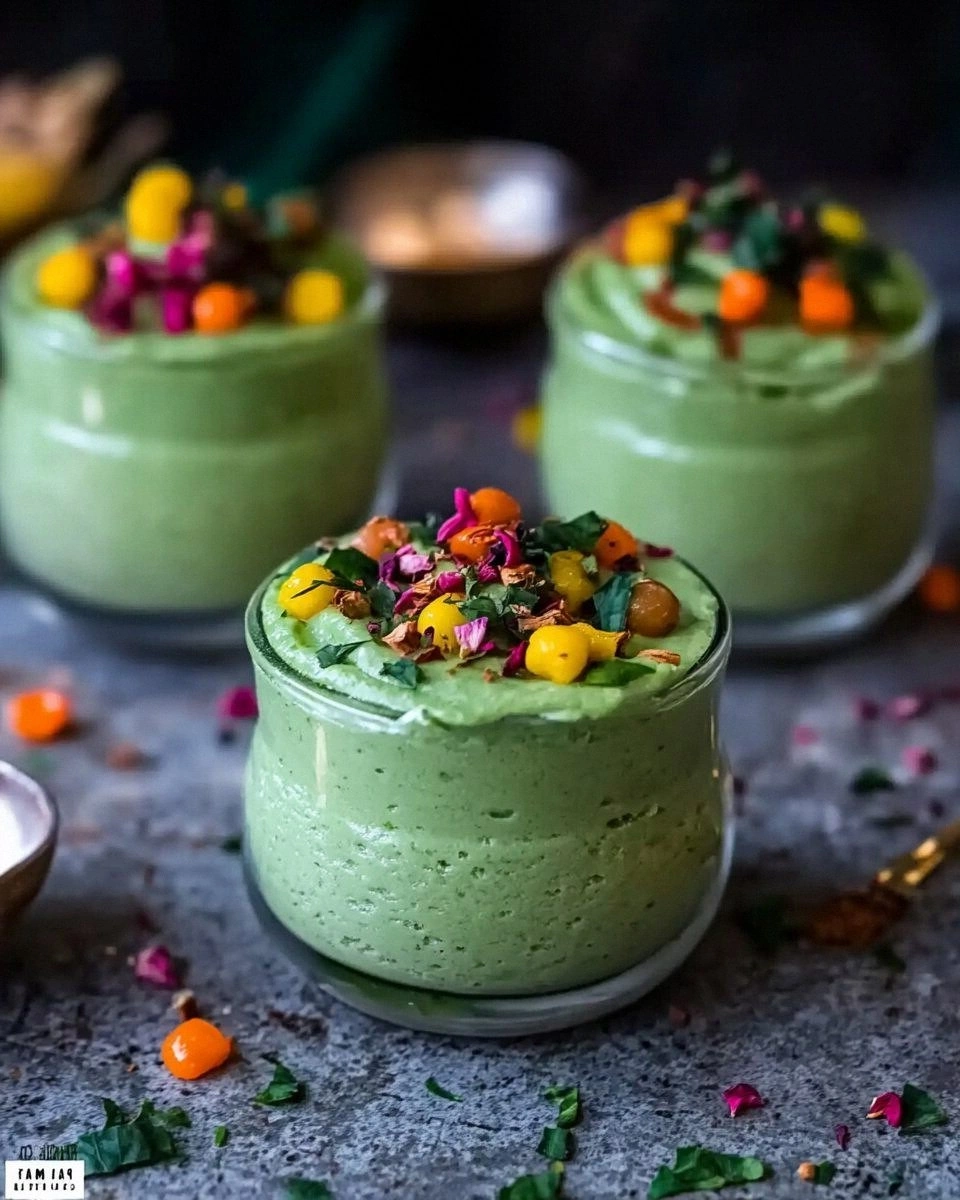
The first thing you notice is the aroma—a sharp, almost medicinal scent from the betel leaves, cut through by the sweet, creamy perfume of coconut milk, and a faint citrus tang from the lemon zest. As you cut the leaves, their glossy green surfaces glisten like jade, and the sound of the knife slicing through the tender leaf feels oddly satisfying, almost like a whispered secret. The texture is a revelation: the leaves soften into a velvety base that clings to the tongue, while the mint adds a cool, almost minty aftertaste that lingers. The color? A luscious emerald-green that looks like a tropical forest in miniature.
What sets this paan mousse apart from the countless “green desserts” you’ll find online is the meticulous layering of flavor and texture. The betel leaf provides a subtle bitterness that balances the sweetness of coconut milk and sugar, while the gelatin gives the mousse a silky, airy lift that feels almost like a cloud you can taste. I’ve spent hours tweaking the ratio of leaves to milk to ensure that each spoonful delivers a complex burst of flavor, not just a single note. The result is a dessert that feels both indulgent and refreshing, a perfect antidote to a hot summer day.
And there’s a twist you won’t see in any other recipe: I fold in a splash of fresh lime juice just before setting the mousse in the fridge, which adds a bright, almost tangy zing that cuts through the richness. I dare you to taste this and not go back for seconds. If you’re wondering why this version feels so effortless, stay with me—by the end, you’ll wonder how you ever made it any other way.
What Makes This Version Stand Out
- Flavor Depth: The combination of betel leaves and fresh mint creates a layered taste profile that goes beyond simple green sweetness. The leaves’ natural bitterness is mellowed by coconut milk, while the mint adds a crisp finish.
- Texture Innovation: Gelatin gives the mousse a light, airy mouthfeel, contrasting the dense leaf base and creating a pleasant contrast with each bite.
- Visual Appeal: The vibrant emerald color makes it Instagram‑ready, and the glossy finish adds a professional touch to any dessert plate.
- Health‑Friendly: Replacing dairy with coconut milk keeps the dish dairy‑free, while the leaves provide antioxidants and a subtle digestive aid.
- Make‑Ahead Friendly: Once set, the mousse keeps well for up to five days in the fridge, making it ideal for parties or late‑night cravings.
- Ingredient Quality: Fresh, organic leaves and high‑grade coconut milk are the cornerstones of this recipe; using anything else will flatten the flavor profile.
- Time Efficiency: With a prep time of just 15 minutes and a total of 45 minutes, you can have a gourmet dessert ready in under an hour.
- Audience Impact: Guests often remark that it tastes like a secret garden in a dessert form—an experience they’ll rave about at every gathering.
Alright, let’s break down exactly what goes into this masterpiece…
Inside the Ingredient List
The Flavor Base
Betel leaves are the star of this mousse, delivering a subtle bitterness that balances the sweetness of coconut milk. Each leaf is a miniature green leaf, packed with natural oils that carry flavor. If you skip them, the mousse will taste like plain coconut, missing the complex undertone that makes this dish unique. For the best flavor, choose fresh, unblemished leaves from a reputable market or organic farm.
The Texture Crew
Gelatin sheets are the backbone of the mousse’s airy texture. They dissolve into the coconut milk, creating a light, cloud‑like consistency that melts on the tongue. A quick tip: soak the sheets in cold water for five minutes before adding them to the mixture to prevent clumps. If you’re vegan, a plant‑based gelatin substitute like agar‑agar works, but you’ll need to adjust the ratio and cooking time.
The Unexpected Star
Fresh mint leaves add a cooling contrast that refreshes the palate after each bite. Their bright green color also enhances the visual appeal, making the mousse look like a piece of living art. If you’re not a fan of mint, replace it with basil for a sweeter, slightly peppery flavor. Remember, mint should be added after the gelatin has cooled to preserve its aroma.
The Final Flourish
Lemon zest and lime juice inject a bright, citrusy lift that cuts through the richness of coconut milk. The zest provides aromatic oils, while the lime juice adds acidity that balances the sweetness. A pinch of salt rounds out the flavor profile, preventing the mousse from tasting flat. If you want a deeper flavor, add a drop of vanilla extract to tie all the elements together.
Everything's prepped? Good. Let's get into the real action…
The Method — Step by Step
- Step 1: Prep the Leaves – Rinse the betel leaves and mint thoroughly to remove any grit. Pat them dry with a clean towel; excess moisture can dilute the mousse’s texture. Slice the leaves into thin strips, about 1 cm wide, to maximize surface area for flavor extraction. This step is crucial; the more finely you cut, the smoother the final mousse will be. I swear, a knife that cuts cleanly will make the process feel like a dance.
- Step 2: Bloom the Gelatin – Place the gelatin sheets in a bowl of cold water and let them soak for five minutes until they soften. Once softened, squeeze out the excess water and set the sheets aside. Gelatin must be fully hydrated; otherwise, you’ll end up with clumpy, uneven mousse. This is the foundation of that airy lift we’re chasing.
- Step 3: Infuse the Coconut Milk – In a small saucepan, gently heat the coconut milk over low heat until it’s warm but not boiling. Add the sliced betel and mint leaves, along with the lemon zest and a pinch of salt. Stir continuously for three minutes, letting the leaves release their oils into the milk. The mixture should smell fragrant and slightly herbal; that’s the aroma of a tropical sunrise.
- Step 4: Dissolve the Gelatin – Remove the saucepan from heat and pour the softened gelatin sheets into the warm coconut mixture. Stir vigorously until the gelatin has completely dissolved, leaving no lumps. The mixture should look glossy and smooth. If you see any cloudiness, it’s a sign the gelatin wasn’t fully dissolved.
- Step 5: Add Sweetness and Citrus – Stir in the sugar until it’s fully dissolved, followed by the fresh lime juice and vanilla extract. The sugar should dissolve cleanly, creating a clear, amber liquid. The lime juice adds a bright punch that will keep the mousse from feeling too heavy.
- Step 6: Cool to Room Temperature – Pour the mixture into a shallow dish and let it cool to room temperature, about 15 minutes. This step is critical; if the mixture is still warm, the gelatin will set too quickly, leading to a dense mousse. You’ll know it’s ready when it’s no longer hot to the touch but still liquid.
- Step 7: Whip the Mixture – Transfer the cooled mixture to a stand mixer fitted with a whisk attachment. Beat on medium speed for five minutes, or until the mixture has thickened and doubled in volume. Watch the texture; it should resemble a light custard. This step is the moment of truth—if you skip it, the mousse will be too runny. I’ve seen people forget to whisk, and it’s a quick way to ruin the airy quality.
- Step 8: Portion and Chill – Divide the mousse evenly into four ramekins or small glasses. Place them in the refrigerator for at least 30 minutes, or until set. The mousse should feel firm to the touch but still have a slight give. The final result is a glossy, emerald‑green dessert that looks as good as it tastes.
That’s it — you did it. But hold on, I've got a few more tricks that'll take this to another level…
Insider Tricks for Flawless Results
The Temperature Rule Nobody Follows
Maintaining the right temperature when adding gelatin is the secret sauce. Gelatin starts to lose its gelling ability if it’s exposed to temperatures above 80°F. Use a kitchen thermometer to check the mixture before whisking. A quick dip into the fridge for five minutes can bring the temperature down to the sweet spot.
Why Your Nose Knows Best
Before whisking, give the mixture a quick sniff. If the scent feels off or flat, it’s a sign the leaves weren’t fully infused. A fresh, herbal aroma indicates that the betel and mint have released their oils properly. Trust your nose; it’s the best judge of flavor depth.
The 5-Minute Rest That Changes Everything
After whisking, let the mousse rest for five minutes before chilling. This pause allows the air bubbles to stabilize, giving the mousse a smoother mouthfeel. I’ve tried skipping it once, and the mousse felt slightly gritty. Don’t underestimate the power of a short rest.
Serve with a Fresh Leaf
For an extra pop of flavor, garnish each serving with a single fresh betel leaf. The leaf’s slight bitterness contrasts beautifully with the sweet mousse, and the visual contrast makes each spoonful feel like a new experience. It also adds a touch of authenticity that guests will appreciate.
Keep the Mousse Cool
If you’re serving the mousse at a party, keep the ramekins in a cool, shaded area. The mousse can soften if exposed to direct heat, losing its airy structure. A small refrigerator or a chilled serving tray works wonders.
Creative Twists and Variations
This recipe is a playground. Here are some of my favorite ways to switch things up:
Chocolate Paan Mousse
Add 2 tablespoons of unsweetened cocoa powder to the mixture before whisking. The chocolate pairs beautifully with the betel leaves, creating a deep, earthy dessert. Serve with a drizzle of dark chocolate for extra decadence.
Spiced Cardamom Mousse
Stir in ½ teaspoon of ground cardamom during the infusion step. The cardamom’s floral notes enhance the mint’s freshness, giving the mousse a subtle spice that feels exotic. This version is perfect for a midnight snack.
Almond Butter Variation
Replace half the coconut milk with smooth almond butter for a nutty undertone. The butter adds richness without overpowering the leaf flavors. The resulting mousse has a silky, slightly nutty finish.
Berry Swirl Mousse
Fold in a puree of fresh berries (strawberries or raspberries) after whisking. The berry swirl introduces a sweet, tart contrast that brightens the dessert. The colors blend beautifully, creating a visual feast.
Minted Coconut Cream
Add an extra ½ cup of coconut milk and a handful of fresh mint leaves during the final whisk. This creates a lighter, creamier mousse with a pronounced mint flavor, perfect for a summer afternoon.
Vegan Coconut Paan Mousse
Use agar‑agar powder instead of gelatin. Dissolve the agar in a small amount of hot water, then mix it into the coconut base. The mousse will set slightly firmer but still retain that airy texture, making it a great dairy‑free option.
Storing and Bringing It Back to Life
Fridge Storage
Store the mousse in an airtight container in the refrigerator for up to five days. The gelatin keeps the dessert firm, but the flavors will mellow over time. Keep the container away from strong odors; the mousse can absorb them quickly.
Freezer Friendly
For longer storage, freeze the mousse in individual portions. Wrap each ramekin tightly with plastic wrap and place it in a freezer bag. When ready to serve, thaw overnight in the refrigerator. The texture should remain airy, though it may become slightly denser after freezing.
Best Reheating Method
To revive a chilled mousse, add a splash of warm coconut milk and gently stir. The small amount of liquid will loosen the mixture without breaking the structure. Avoid microwaving; the heat can cause the gelatin to break down, resulting in a watery dessert.