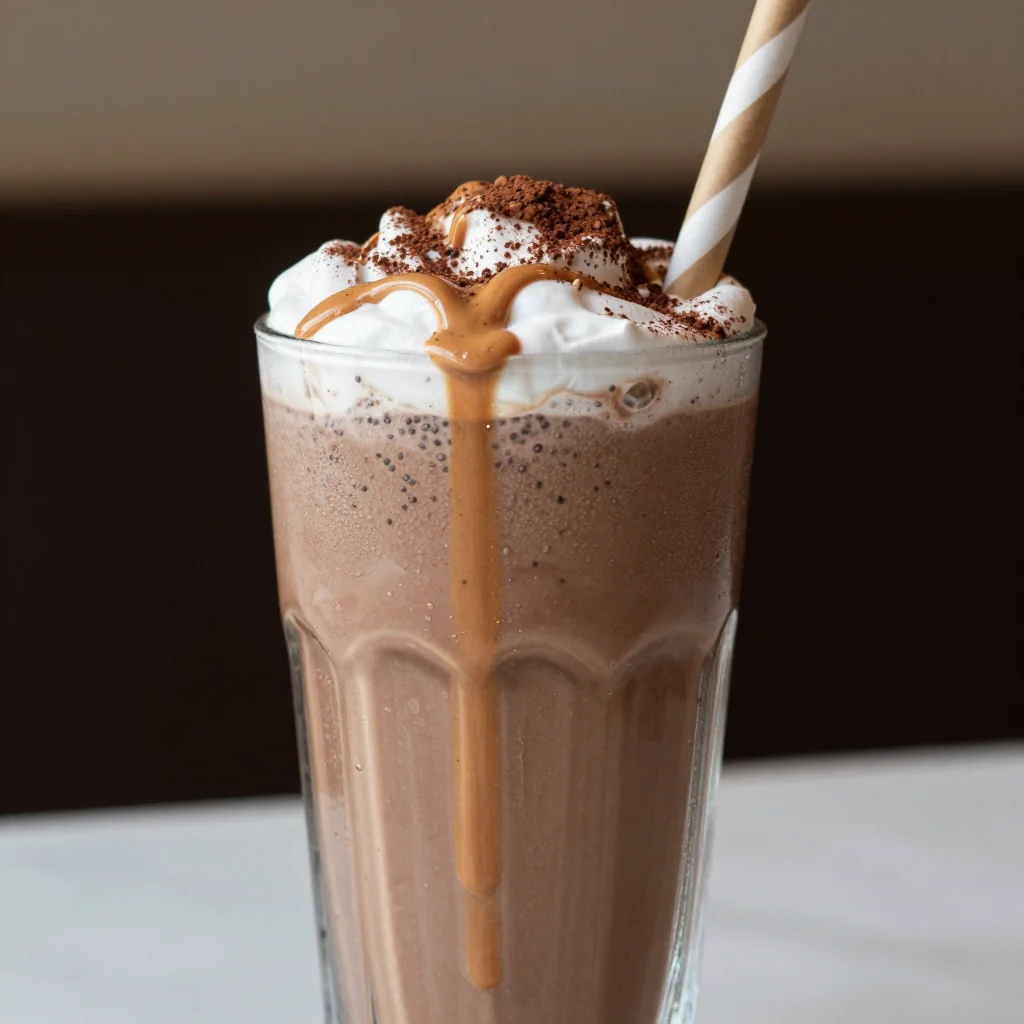
Love this? Pin it for later! 📌
The Ultimate Peanut Butter Chocolate Protein Smoothie for Muscle Recovery
There's something magical about the combination of peanut butter and chocolate that makes even the most intense post-workout recovery feel like a treat. After years of experimenting with different protein smoothie recipes (and more blender fails than I care to admit), I've finally perfected what I call my "reward smoothie" – a rich, creamy concoction that tastes like dessert but works like a recovery powerhouse.
I discovered this recipe during my marathon training days when I needed serious muscle recovery support but couldn't stomach another chalky protein shake. One evening, after an particularly brutal 18-mile run, I threw together what I had on hand: some frozen bananas from the freezer, a scoop of chocolate protein powder, a generous spoonful of natural peanut butter, and a splash of oat milk. The result was so incredibly delicious that I actually found myself looking forward to my post-run recovery drinks.
Now, whether you've just crushed a HIIT session, conquered leg day, or simply need a protein-packed breakfast that keeps you satisfied through morning meetings, this smoothie has become my go-to recommendation for anyone looking to build lean muscle, reduce recovery time, and actually enjoy the process. The secret lies in the perfect balance of fast-absorbing whey protein, healthy fats from the peanut butter, and the natural carbohydrates from banana that help shuttle nutrients to your muscles when they need it most.
Why This Recipe Works
- Optimal Protein Timing: 25-30g of high-quality protein consumed within 30 minutes post-workout maximizes muscle protein synthesis and recovery
- Natural Electrolytes: Banana and optional additions like coconut water provide potassium and magnesium to prevent muscle cramps
- Healthy Fats: Natural peanut butter provides monounsaturated fats that support hormone production and reduce inflammation
- Quick Absorption: Liquid nutrition is absorbed faster than solid foods, getting nutrients to recovering muscles quickly
- Sustained Energy: The combination of protein, fats, and carbs prevents blood sugar crashes and keeps you satisfied
- Antioxidant Boost: Cocoa powder provides flavonoids that combat exercise-induced oxidative stress
- Versatility: Easily adaptable for different dietary needs, flavor preferences, and protein requirements
- Taste Factor: Let's be honest – if it doesn't taste amazing, you won't drink it consistently
Ingredients You'll Need
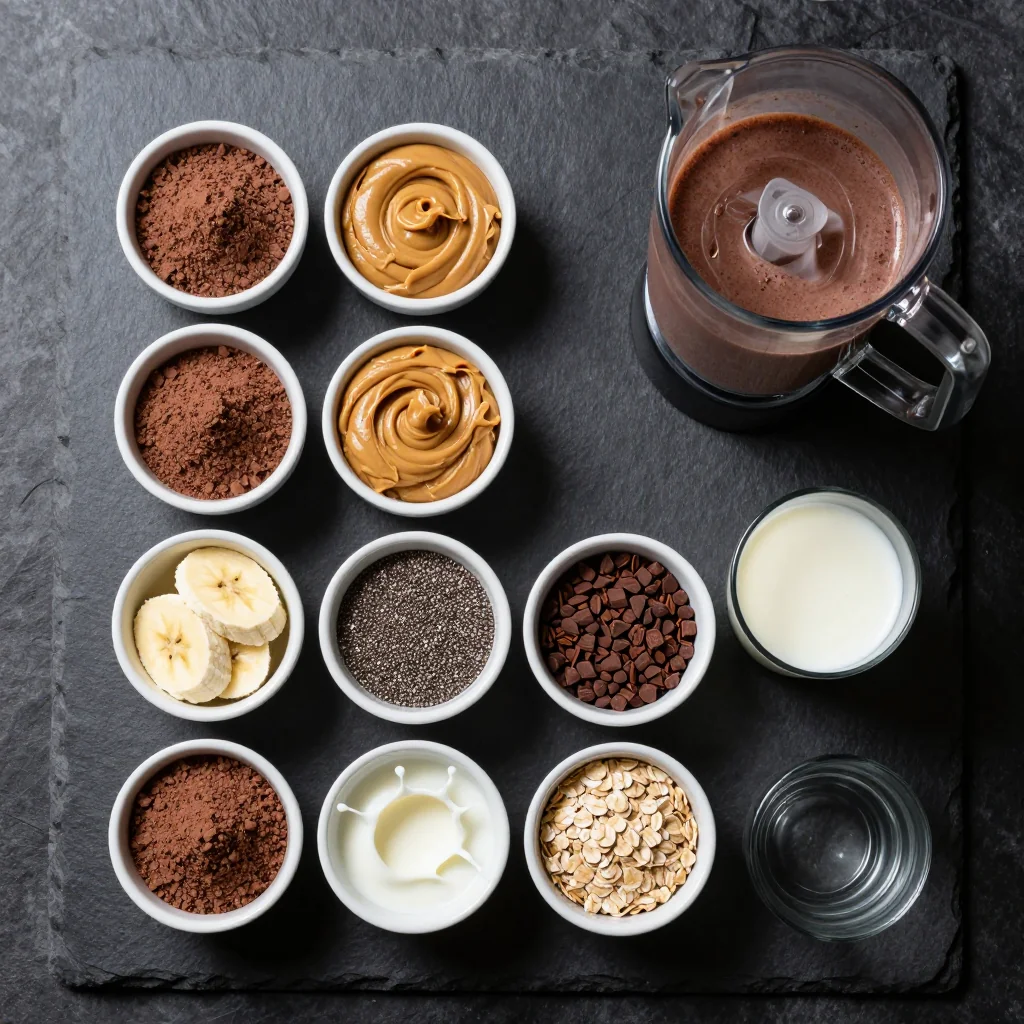
The beauty of this smoothie lies in its simplicity, but each ingredient plays a crucial role in both flavor and recovery. Let me break down why each component matters and what to look for when shopping:
Frozen Banana (1 large): This is your secret weapon for creating that ice-cream-like texture without watering down the flavor with ice. I always keep a stash of peeled, frozen bananas in my freezer. When selecting bananas for freezing, let them get nice and spotty – that's when they're sweetest and most nutritious. If you don't have frozen bananas, you can use fresh ones, but you'll need to add a handful of ice cubes, which will dilute the flavor slightly.
Chocolate Whey Protein Powder (1 scoop/30g): Choose a high-quality whey protein isolate or concentrate with at least 20-25g of protein per serving. I'm partial to brands that use minimal ingredients and no artificial sweeteners. If you're lactose intolerant or vegan, plant-based chocolate proteins work beautifully too – just ensure they're complete proteins with all essential amino acids.
Natural Peanut Butter (2 tablespoons): This is where quality really matters. Look for peanut butter with just one ingredient: peanuts. The natural oils will separate, but that's a good sign – just stir well before using. If you're allergic to peanuts, almond butter or sunflower seed butter are excellent alternatives that provide similar nutritional benefits.
Unsweetened Cocoa Powder (1 tablespoon): Don't confuse this with hot cocoa mix! Pure cocoa powder adds intense chocolate flavor and a powerful antioxidant punch without added sugar. Dutch-processed cocoa will give you a smoother, less bitter flavor, while natural cocoa maintains more nutrients. For an extra special touch, try raw cacao powder – it's less processed and has an even higher antioxidant content.
Oat Milk (1 cup): I prefer oat milk for its creamy texture and neutral flavor, but any milk works. Almond milk keeps it light, while coconut milk adds richness. If using dairy milk, whole milk will give you the creamiest texture. For an extra protein boost, use Fairlife or another high-protein milk. Always choose unsweetened varieties to control your sugar intake.
Ground Flaxseed (1 tablespoon): This nutritional powerhouse adds omega-3 fatty acids, fiber, and a subtle nuttiness that complements the peanut butter beautifully. Buy whole flaxseed and grind it yourself for maximum freshness, or look for cold-milled flaxseed in the refrigerator section of your grocery store.
Chia Seeds (1 teaspoon): These tiny seeds pack a mighty nutritional punch with complete protein, calcium, and more omega-3s. They also help thicken the smoothie naturally. If you don't have chia seeds, you can skip them, but I love the texture they add.
Vanilla Extract (1/2 teaspoon): A little vanilla enhances all the other flavors and adds depth to the chocolate-peanut butter combination. Use real vanilla extract, not imitation – the difference in flavor is remarkable.
Medjool Date (1, optional): For those who prefer their smoothies on the sweeter side, a Medjool date adds natural sweetness along with fiber and minerals. Make sure to remove the pit! You can substitute with a teaspoon of honey or maple syrup, or skip the sweetener entirely if your banana is ripe enough.
How to Make Peanut Butter Chocolate Protein Smoothie for Muscle Recovery
Prep Your Ingredients
Start by gathering all your ingredients and ensuring your banana is properly frozen. If freezing fresh bananas, peel them first and break into chunks – trust me, peeling a frozen banana is not fun! Measure out your protein powder, peanut butter, and other ingredients. Having everything ready makes the blending process smooth and ensures you don't forget anything.
Layer Your Blender
The order you add ingredients to your blender matters! Start with liquids first (oat milk, vanilla extract, any liquid sweeteners), then add protein powder and cocoa powder. This prevents the powders from clumping at the bottom. Next, add your frozen banana chunks, peanut butter, flaxseed, and chia seeds on top. This layering technique ensures everything blends smoothly without any powdery lumps.
Start Low, Go Slow
Begin blending on the lowest setting. This allows the ingredients to incorporate gradually without creating a smoothie volcano in your kitchen! After 30 seconds, increase to medium speed. If you have a high-speed blender like a Vitamix or Blendtec, use the smoothie setting. For standard blenders, you might need to stop and scrape down the sides once or twice.
Check Your Consistency
After about 60-90 seconds of blending, check your smoothie. It should be thick and creamy, able to coat the back of a spoon. If it's too thick, add more oat milk one tablespoon at a time. If it's too thin, add a few more frozen banana chunks or a handful of ice. Remember, it will thin slightly as it warms up, so err on the thicker side.
Taste and Adjust
This is crucial! Take a small taste. Need more chocolate? Add another teaspoon of cocoa powder. Want it sweeter? Blend in half a Medjool date or a drizzle of honey. Too peanut buttery? Add a splash more milk. The beauty of making your own smoothie is customizing it to your preferences.
Blend Until Silky Smooth
Once you've adjusted the flavor, blend on high for another 30-45 seconds. This ensures any additions are fully incorporated and creates that velvety texture that makes this smoothie feel indulgent. You shouldn't see any flecks of chia seeds or bits of date – everything should be completely smooth.
Serve Immediately
Pour your smoothie into a chilled glass for the best experience. The cold temperature enhances the flavors and provides that refreshing quality that's so satisfying after a workout. If you're taking it on-the-go, use an insulated bottle to keep it cold. The smoothie is best consumed within 30 minutes of blending when the nutrients are most bioavailable.
Optional Toppings
While I usually drink this straight from the blender (no judgment!), adding toppings can turn it into a satisfying meal. Try a dollop of Greek yogurt, a sprinkle of granola, a few chocolate shavings, or a drizzle of almond butter. These additions can add texture and make your recovery smoothie feel more substantial.
Expert Tips
Freeze Your Fruit Properly
Always peel and cut bananas before freezing. Freeze on a baking sheet first, then transfer to a bag – this prevents them from freezing into one solid mass and makes them easier to blend.
Soften Your Peanut Butter
If your natural peanut butter is stiff from the fridge, microwave it for 10-15 seconds. This makes it easier to measure and ensures it blends smoothly without leaving chunks.
Timing Is Everything
For optimal muscle recovery, consume this smoothie within 30-45 minutes post-workout. This is your "anabolic window" when muscles are most receptive to nutrients.
Invest in a Good Blender
A high-speed blender makes a world of difference. If your current blender struggles, blend the liquid and powders first, then add frozen ingredients gradually.
Track Your Macros
If you're serious about muscle gain, track your smoothie macros. Different protein powders vary significantly in protein content – know what you're getting!
Batch Prep Smartly
Pre-portion your dry ingredients in small containers or bags. In the morning, just add to your blender with milk and frozen banana for a 2-minute breakfast.
Variations to Try
Coffee Lover's Version
Replace half the milk with cold brew coffee for a mocha protein smoothie that doubles as your morning caffeine fix. The coffee enhances the chocolate flavor beautifully.
Green Power Version
Add a handful of spinach or kale – you won't taste it, but you'll get extra vitamins, minerals, and antioxidants. Start with a small amount if you're new to green smoothies.
Metabolism Boost Version
Add 1/4 teaspoon of cayenne pepper and 1/2 teaspoon of cinnamon. The capsaicin in cayenne can boost metabolism, while cinnamon helps regulate blood sugar.
Berry Antioxidant Version
Replace half the banana with frozen berries for added antioxidants and a different flavor profile. Mixed berries work best, but strawberries alone create a PB&J vibe.
Storage Tips
While this smoothie is best enjoyed fresh, life happens, and sometimes you need to prep ahead. Here's how to maintain maximum nutrition and flavor:
Immediate Storage: If you must store your smoothie, pour it into an airtight container immediately after blending. Fill the container to the very top to minimize air exposure, which causes oxidation and nutrient loss. A mason jar with a tight-fitting lid works perfectly. Stored this way, your smoothie will stay fresh for up to 24 hours in the refrigerator.
Freezer Method: For longer storage, pour your smoothie into ice cube trays and freeze. When ready to enjoy, blend the frozen cubes with a splash of milk. This method preserves more nutrients than refrigerating for extended periods. Frozen smoothie cubes are also great for adding to future smoothies for extra thickness and nutrition.
Meal Prep Strategy: Pre-portion all your dry ingredients in small containers or bags. Include protein powder, cocoa powder, flaxseed, and chia seeds. Store these in the pantry, and in the morning, just add to your blender with milk and frozen banana. This cuts your morning prep time to under 2 minutes while maintaining freshness.
Travel Tips: If taking your smoothie to-go, use an insulated bottle and add a few extra ice cubes before leaving. The smoothie will stay cold for 2-3 hours, making it perfect for post-gym consumption or a protein-packed snack during busy days.
Important Storage Note
Never store protein smoothies with fresh fruit at room temperature. The protein can begin to break down, and bacteria can grow quickly. Always refrigerate or freeze immediately if not consuming right away.
Frequently Asked Questions
Yes, but you'll need to replace the protein with other sources. Try adding 1/2 cup of Greek yogurt plus 2 tablespoons of hemp seeds. You could also use silken tofu – it's virtually tasteless when blended but provides about 10g of protein per 1/2 cup. Keep in mind that without protein powder, your smoothie will have less protein overall, so you might want to pair it with a protein-rich snack.
This smoothie is designed for muscle recovery and contains approximately 400-450 calories, making it more suitable as a meal replacement or post-workout recovery drink rather than a weight loss smoothie. For weight loss, you could reduce the peanut butter to 1 tablespoon, use unsweetened almond milk instead of oat milk, and skip the optional date. This would bring it down to about 300 calories while maintaining good protein content.
Yes, but your smoothie won't be as thick and creamy. If using fresh banana, add 1/2 to 1 cup of ice cubes to achieve the proper consistency. Start with less ice and add more as needed. The flavor will be slightly less concentrated since the ice will dilute it as it melts. For best results, I strongly recommend keeping frozen bananas on hand – they last for months in the freezer and make a huge difference in texture.
No problem! Start by blending just the milk and protein powder until smooth. Then add the frozen banana a few pieces at a time, blending between additions. Add the peanut butter last. You might need to stop and scrape down the sides more often. If your blender is really struggling, let the frozen banana thaw for 5-10 minutes first, or use fresh banana with ice cubes instead.
Absolutely! This smoothie provides the perfect combination of protein, carbohydrates, and healthy fats needed for muscle growth. The 25-30g of protein supports muscle protein synthesis, while the carbohydrates from banana help replenish glycogen stores and transport amino acids to your muscles. The healthy fats support hormone production, including testosterone, which is crucial for muscle building. For maximum muscle gain, consume this within 30 minutes post-workout and ensure you're meeting your overall daily protein and calorie requirements.
Most of the sugar in this smoothie comes naturally from the banana. To reduce sugar, use a green-tipped banana (less ripe) or replace half the banana with zucchini or cauliflower florets – both blend smoothly and take on other flavors well. You can also use a sugar-free protein powder (though many contain artificial sweeteners) and skip the optional Medjool date. Keep in mind that some natural sugar post-workout can actually be beneficial for recovery.
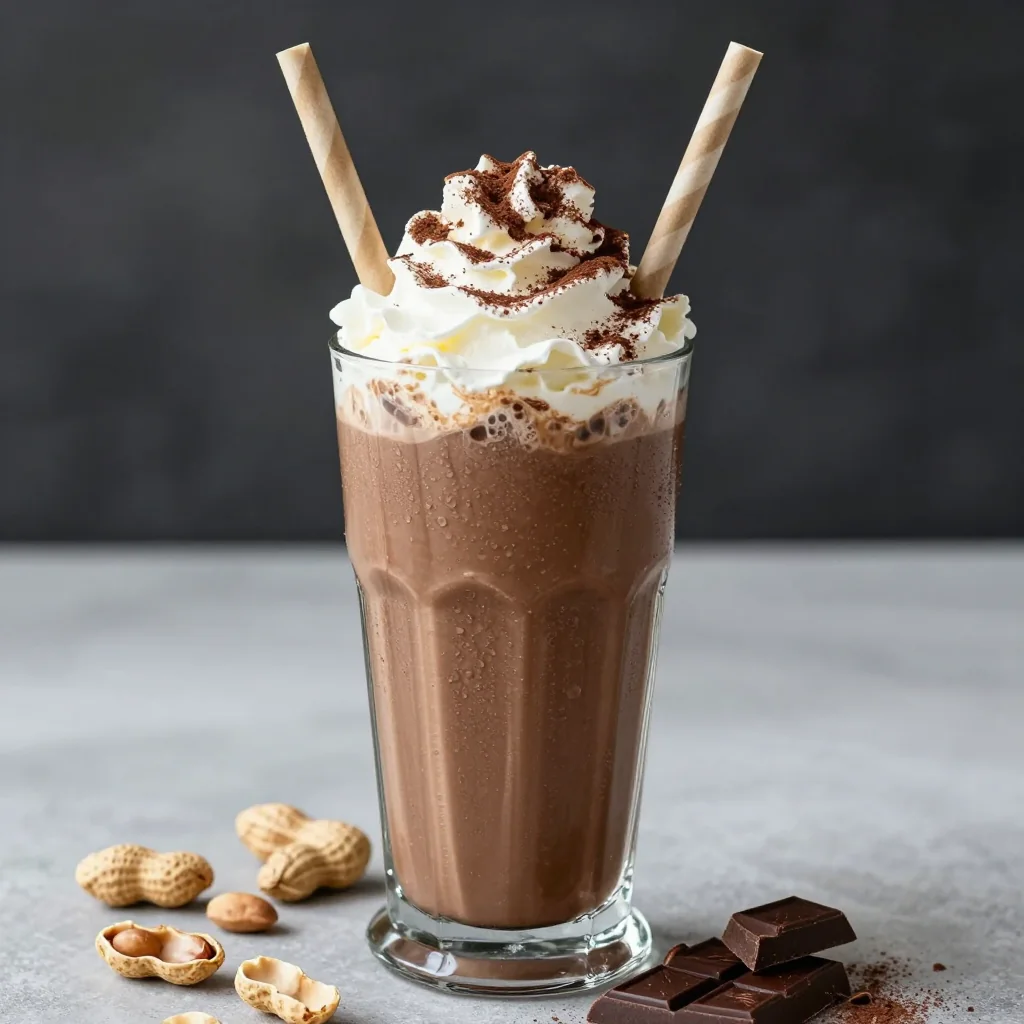
Peanut Butter Chocolate Protein Smoothie for Muscle Recovery
Ingredients
Instructions
- Prepare ingredients: Ensure your banana is properly frozen and all ingredients are measured out.
- Layer liquids: Add oat milk, vanilla extract, and liquid sweeteners to blender first.
- Add powders: Sprinkle in protein powder and cocoa powder to prevent clumping.
- Top with solids: Add frozen banana, peanut butter, flaxseed, chia seeds, and date if using.
- Blend slowly: Start on low speed for 30 seconds, then increase to medium.
- Check consistency: Blend until smooth and creamy, adding more milk if too thick.
- Taste and adjust: Add more cocoa for chocolate flavor or date for sweetness.
- Blend again: Blend on high for 30 seconds until completely smooth.
- Serve immediately: Pour into a chilled glass and enjoy within 30 minutes for best results.
Recipe Notes
For best results, consume within 30-45 minutes post-workout for optimal muscle recovery. If using fresh banana instead of frozen, add 1/2 to 1 cup of ice cubes and reduce milk by 2-3 tablespoons. Natural peanut butter works best – avoid varieties with added sugars or oils.