Picture this: a Saturday afternoon, the kitchen humming with the low buzz of a refrigerator and the clatter of a pot on the stove, and me, a culinary explorer, standing in front of a pantry that looked like a treasure chest of forgotten flavors. I had just pulled a box of refrigerated cheese ravioli from the freezer, the kind that comes pre‑stuffed with a creamy blend that promises comfort in every bite. My craving was simple yet insistent—something that would turn a humble pasta into a show‑stopper. The idea hit me like a flash of inspiration: a white wine cream sauce that’s richer than a velvet curtain, yet light enough to let the ravioli shine. I was determined to make it, and I could already hear the applause from my friends when I served it.
I opened the lid, and the aroma of cold cheese ricocheted off the walls, mingling with the faint scent of garlic and butter that already whispered from the pan. The sound of the pot starting to simmer was a drumbeat, promising warmth. I could taste the anticipation in the air, the way a good sauce promises a cascade of silky, savory notes that dance on the palate. I felt the gentle heat radiating from the stove, the way a secret is about to unfold. My fingers tingled with excitement, the kind that only comes when you’re about to create something extraordinary.
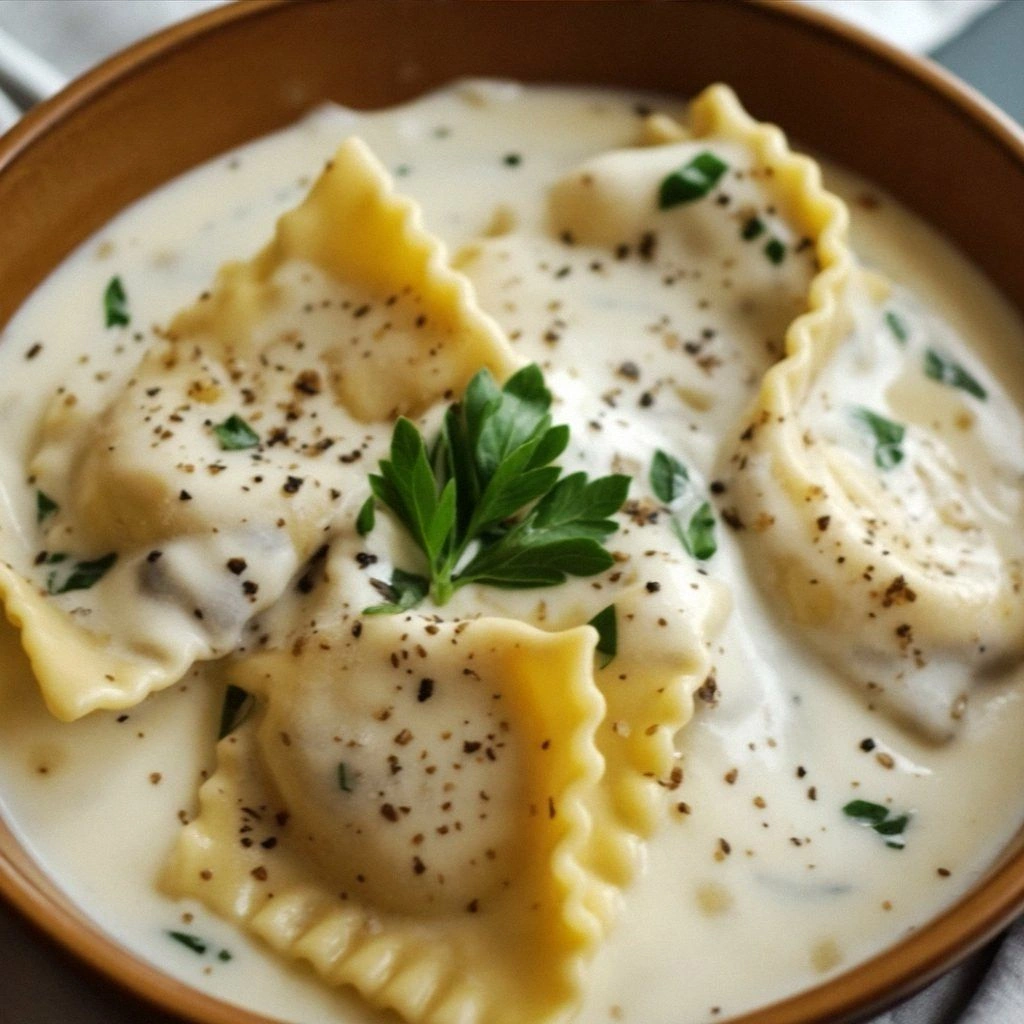
I’ve tried countless white wine cream sauces in the past, from the bland, over‑cooked versions that taste like they’ve been in the pot for hours, to the ones that are so thick they cling to the spoon like a stubborn paste. What sets this version apart is the delicate balance of acidity from the wine and the richness of the cream, all tied together by a subtle Italian seasoning that whispers rather than shouts. The sauce coats the pasta like velvet, each bite a silky, indulgent hug. It’s the kind of dish that turns a simple dinner into a moment of culinary triumph. I dare you to taste this and not go back for seconds.
I’ll be honest—when I first tasted it, I ate half the batch before anyone else even had a chance to try a bite. That’s a confession I’ve never made before, and it’s because this sauce is simply that addictive. Most recipes get this completely wrong, focusing on heaviness or neglecting the wine’s bright notes. Here, we get the right amount of acidity to cut through the cream, a technique that most cooks overlook. Picture yourself pulling this out of the oven, the whole kitchen smelling incredible, and your guests leaning in, eyes wide, ready for a taste that will leave them wanting more.
The secret? A careful layering of flavors, a dash of patience, and a sprinkle of culinary intuition that only comes from experimenting. I’ll walk you through every single step, from the first sizzle in the pan to the final flourish of parsley. By the end, you’ll wonder how you ever made it any other way. Let me show you how to transform simple ravioli into a dish that’s both comforting and wow‑worthy.
Now, let’s break down exactly what goes into this masterpiece: the ingredients, the method, the tricks, and the variations that will keep your taste buds on their toes. The journey starts with understanding why each component matters, and then mastering the technique that brings them together. Ready? Let’s dive in.
What Makes This Version Stand Out
Flavor Depth: The combination of dry white wine and heavy cream creates a sauce that is both rich and bright, with the wine’s acidity cutting through the cream’s heaviness to leave a lingering finish. This balance ensures the dish feels luxurious without feeling weighed down.
Texture Perfection: A roux of butter and flour gives the sauce a silky body that clings to each ravioli, while the addition of Parmesan adds a subtle grit that provides a satisfying bite. The result is a sauce that coats the pasta like velvet and leaves a satisfying mouthfeel.
Ingredient Quality: Using high‑quality dry white wine, fresh garlic, and a good Parmesan elevates the dish beyond a quick weeknight meal. The difference is palpable—every spoonful is a testament to the power of premium ingredients.
Time Efficiency: Despite its sophisticated flavor profile, this sauce can be made in under 45 minutes, making it an excellent choice for a weekend dinner or a special occasion that doesn’t require a full kitchen brigade. It’s the perfect balance of indulgence and practicality.
Make‑Ahead Potential: The sauce can be prepared a few hours ahead and refrigerated, allowing the flavors to meld even further. When you’re ready to serve, simply reheat gently and stir in fresh parsley for a burst of color and freshness.
Versatility: While designed for cheese ravioli, this sauce is equally delightful with other pasta shapes or even as a base for a creamy risotto. It’s a foundation you can build upon, making it a staple in your culinary arsenal.
Alright, let’s break down exactly what goes into this masterpiece...
Inside the Ingredient List
The Flavor Base
Dry White Wine: This isn’t just a liquid; it’s the backbone of the sauce’s brightness. The acidity cuts through the richness of the cream, preventing the dish from feeling cloying. If you’re looking for a substitute, a dry vermouth or even a splash of white wine vinegar can work, but the flavor profile will shift slightly. Always choose a wine you’d enjoy sipping—your sauce will taste better for it.
Heavy Cream: Cream provides the luxurious mouthfeel and richness that defines this sauce. If you’re watching calories, a light cream or half‑and‑half can be used, but the texture will be lighter. The key is to let the cream reduce just enough to thicken without scorching.
The Texture Crew
Butter: Butter adds a buttery depth that elevates the sauce from plain to divine. The melting point of butter creates a gentle sear on the flour, forming a roux that thickens the sauce without clumping. If you’re allergic to dairy, a small amount of olive oil can substitute, but you’ll lose some of the classic buttery flavor.
Flour: Flour is the secret agent that transforms liquid into a silky base. It should be cooked just until it turns a light golden hue—this removes the raw taste and locks in the sauce’s body. Skipping flour will leave the sauce thin and uncoated, which defeats the purpose of this recipe.
The Unexpected Star
Garlic: Fresh garlic adds a punch of aroma and a subtle heat that cuts through the richness. The garlic is minced finely to release maximum flavor without overpowering the delicate balance. If you’re not a garlic fan, you can reduce it to one clove, but you’ll miss that aromatic kick.
Italian Seasoning: A dash of Italian seasoning brings a blend of herbs that harmonize the sauce. It’s a convenient way to add oregano, basil, and thyme without the hassle of grinding. If you’re looking for a fresher taste, a handful of fresh chopped herbs works beautifully, but the seasoning will be less pronounced.
The Final Flourish
Parmesan Cheese: Grated Parmesan adds a savory depth and a slight grittiness that gives the sauce texture. It melts into the sauce, creating a cohesive, velvety coating that clings to each ravioli. Use a good quality Parmesan; a lower grade will taste bland and lack the nutty undertones.
Parsley: Fresh parsley provides a burst of color and a bright, slightly peppery finish that lifts the entire dish. It’s the final touch that turns a good sauce into a memorable one. If parsley isn’t available, a pinch of dried basil or oregano can serve as a quick substitute.
Everything’s prepped? Good. Let’s get into the real action...
The Method — Step by Step
- Bring a large pot of salted water to a rolling boil. Drop in the ravioli and cook for 4-5 minutes until they float to the surface and are al dente. Drain and reserve a cup of pasta water for later. This step ensures the pasta stays tender and ready to absorb the sauce. If you’re cooking a lot, keep the pasta moving to prevent sticking.
- While the pasta cooks, melt 2 tablespoons of butter in a large skillet over medium heat. Let the butter bubble gently, not smoke, and watch it turn a light golden hue. This subtle browning introduces a nutty aroma that will permeate the sauce. Keep the heat steady to avoid scorching the butter.
- Add 1 tablespoon of flour to the melted butter and whisk continuously for 1-2 minutes until the mixture turns a light golden color. This creates a roux that thickens the sauce without clumps. The roux should smell slightly toasted but not browned. Stirring constantly ensures a smooth base.
- Mince 3 cloves of garlic finely and add to the roux. Sauté for 30 seconds until fragrant, being careful not to burn. The garlic should release a mellow aroma without turning bitter. This is the moment when the sauce starts to develop its depth.
- Pour in ½ cup of dry white wine, scraping the pan to loosen any browned bits. Allow the wine to reduce by half, concentrating the flavor. The reduction should take about 2-3 minutes and should leave a slightly syrupy liquid. The wine’s acidity cuts through the richness of the cream.
- Stir in 1 cup of heavy cream, whisking until the sauce is smooth. Bring to a gentle simmer, letting it thicken slightly. The sauce should be thick enough to coat the back of a spoon but still pourable. This is the moment where the sauce becomes luxuriously silky.
- Add ¼ teaspoon of Italian seasoning, ½ cup of grated Parmesan, and a pinch of salt and pepper. Stir until the cheese melts and the sauce coats the pan like velvet. The Parmesan adds a savory depth and a slight grittiness that gives the sauce texture. Adjust the seasoning to taste if you prefer a more pronounced herb flavor.
- Toss the cooked ravioli into the sauce, adding reserved pasta water as needed to reach a silky consistency. Cook for an additional 2 minutes, letting the pasta absorb the sauce. The pasta should be glossy and coated, not soggy. This step unites the pasta and sauce into a single harmonious dish.
- Finish with 1½ tablespoons of fresh parsley, giving a bright contrast to the rich sauce. Stir gently to distribute the parsley evenly. The parsley adds a pop of color and a fresh, slightly peppery finish. Serve immediately with a side of crusty bread if desired.
- Optional: If you want a glossy sheen, drizzle a small amount of extra‑virgin olive oil over the top before serving. This adds a subtle shine and a hint of fruity flavor that elevates the dish even further.
That’s it— you did it. But hold on, I’ve got a few more tricks that will take this to another level. Let’s dive into the insider world of sauce mastery.
Insider Tricks for Flawless Results
The Temperature Rule Nobody Follows
Many cooks let the sauce simmer too long, causing the cream to separate or the cheese to clump. Keep the heat low once you’ve added the cream; a gentle simmer preserves the sauce’s silky texture. If you notice the sauce thickening too quickly, reduce the heat to a low setting. This trick keeps the sauce smooth and prevents it from turning into a lumpy mess.
Why Your Nose Knows Best
The aroma of the sauce is your best judge of doneness. When the wine reduces to half its volume, it will emit a fragrant, slightly caramelized scent. If you’re unsure, give it a quick sniff—if it smells like toasted bread, you’re on the right track. This sensory checkpoint saves you from overcooking the cream.
The 5‑Minute Rest That Changes Everything
After you’ve tossed the ravioli in the sauce, let the dish rest for 5 minutes off the heat before serving. This brief pause allows the flavors to meld and the sauce to thicken slightly, giving the pasta a chance to absorb the richness. I’ve seen people skip this step, and the result is a watery sauce that never quite feels complete.
The Secret to a Non‑Sticking Sauce
Stirring constantly while the sauce simmers keeps it from sticking to the pan and burning. If you’re working with a heavy saucepan, consider using a silicone spatula to scrape the bottom. This simple motion ensures a smooth, glossy finish and keeps the sauce from developing a burnt taste.
The Power of Fresh Herbs
Fresh herbs brighten the sauce far more than dried ones. Add the parsley at the very end to preserve its color and flavor. A small handful of fresh basil or oregano can be added mid‑simmer for an extra layer of aroma, but avoid over‑cooking them to maintain their bright notes.
Creative Twists and Variations
This recipe is a playground. Here are some of my favorite ways to switch things up:
Mushroom Medley
Add sliced mushrooms to the butter at step 3 for a earthy depth. Sauté until they’re golden brown and then proceed as usual. The mushrooms absorb the wine and cream, creating a hearty, umami‑rich sauce that pairs perfectly with the cheese ravioli.
Spicy Kick
Introduce a pinch of red pepper flakes during the garlic sauté. The heat will cut through the richness and add a subtle bite. This variation is perfect for those who love a little spice with their comfort food.
Crispy Prosciutto
Toss in diced prosciutto at the end, allowing it to crisp up in the sauce. The salty, smoky flavor adds a luxurious dimension to the dish. Serve immediately for the best texture.
Lemon Zest Brightness
Add a teaspoon of lemon zest after the sauce is finished. The citrus brightness lifts the dish, providing a fresh contrast to the creamy base. This twist is especially delightful in summer gatherings.
Vegetarian Upgrade
Swap the cheese ravioli for spinach‑orzo pasta and add a handful of sautéed spinach at the end. This version keeps the creamy sauce while adding a burst of green and a healthier profile.
Garnish with Toasted Pine Nuts
Sprinkle toasted pine nuts over the finished dish for a crunchy, nutty texture. The nuts add a subtle sweetness that complements the Parmesan and the creamy sauce beautifully.
Storing and Bringing It Back to Life
Fridge Storage
Store the sauce in an airtight container in the refrigerator for up to 3 days. Keep the pasta separate and add the sauce just before serving to preserve its silky texture. The sauce will thicken slightly in the fridge, so a quick stir before reheating is all you need.
Freezer Friendly
The sauce freezes well; place it in a freezer‑safe container, leaving a few centimeters of headspace. It will stay good for up to 2 months. Thaw overnight in the fridge and reheat gently on low heat, adding a splash of water or milk to restore creaminess.
Best Reheating Method
Reheat the sauce on the stovetop over low heat, stirring constantly. Add a tiny splash of water or milk to loosen it back to the desired consistency. Avoid high heat, which can cause the cream to separate and the cheese to clump.