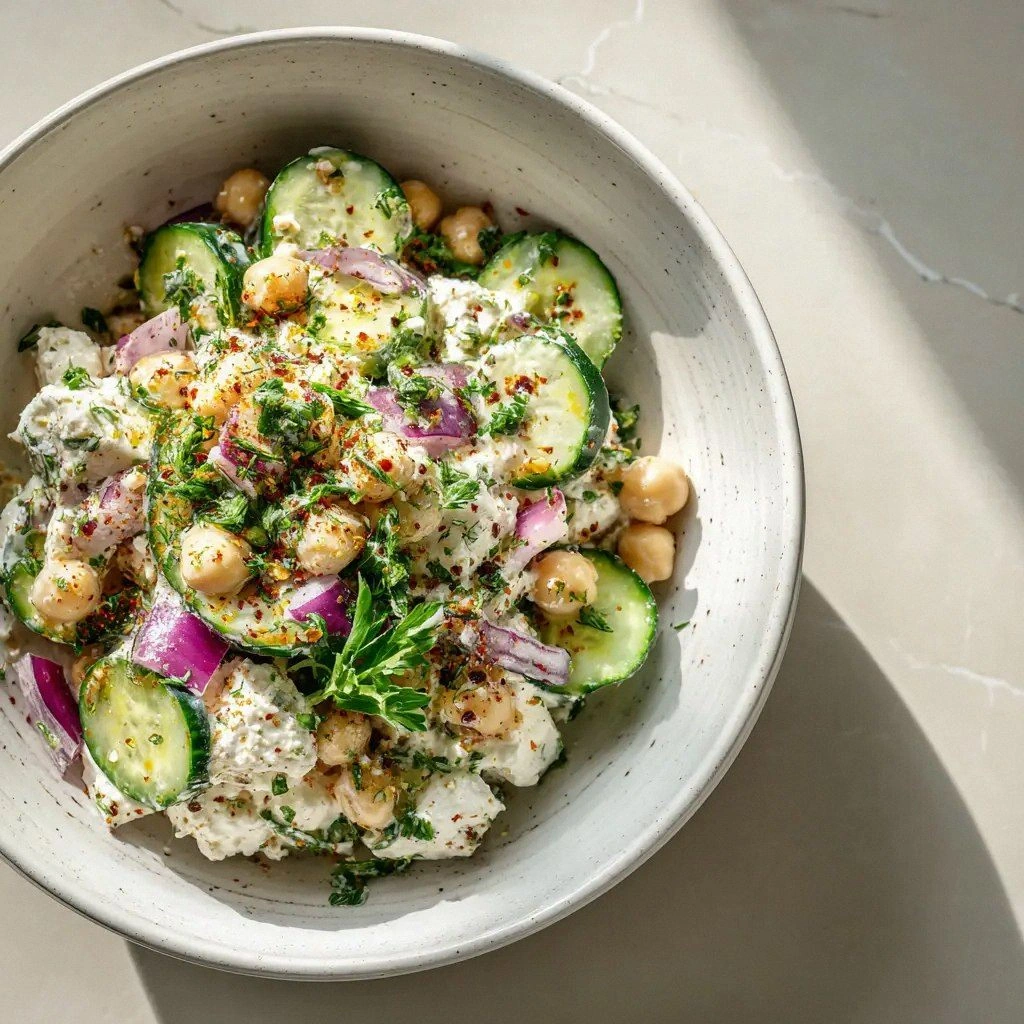
There was a time last spring when my kitchen felt like a crime scene: half‑cooked shrimp, a wilted bunch of asparagus, and a bowl of olives that had been left out too long. I stared at the mess, the air thick with the scent of garlic that had been sautéed for half a minute too long, and I swore that I would never again let a dinner turn into a disaster. That night, I pulled up a recipe from a friend’s Instagram story, and it promised “effortless flavor burst.” The moment I saw the line that read “sheet pan Mediterranean shrimp,” I felt a spark of hope that might just save my dinner plans. I’m not exaggerating—this dish turned my kitchen from a battlefield into a culinary playground. And it’s the kind of recipe that makes you say, “I dare you to taste this and not go back for seconds.”
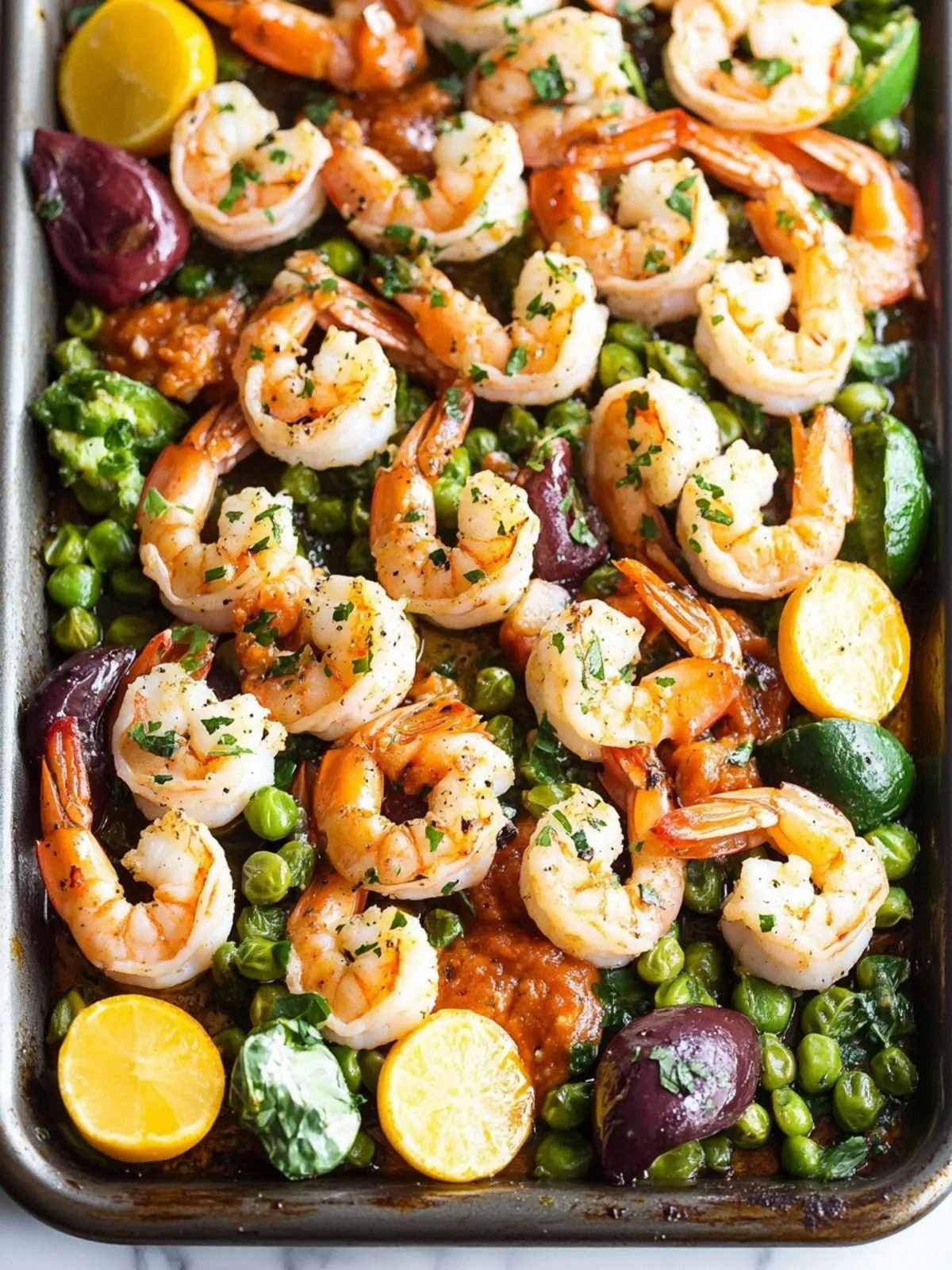
Picture yourself pulling this from the oven: the steam rising, the aromas of smoked paprika and oregano mingling with the bright citrus of lemon. The shrimp should be bright pink, the edges crisping to a golden‑brown that shatters like thin ice when you bite. The asparagus will be tender yet still snap when you press it, a contrast that keeps each bite interesting. The olives will add a briny pop that cuts through the richness of the feta. And the entire dish will be coated in a glossy, herb‑laden sauce that clings to everything like velvet. If you’re looking for a meal that feels both effortless and wow‑worthy, you’re in the right place.
What makes this version stand out from the endless list of “Mediterranean shrimp” recipes is the precise balance of flavors and the simplicity of the cooking method. I’ve stripped away the clutter that often plagues online recipes—no pre‑marinated shrimp, no extra sauces, just a handful of high‑quality ingredients. The result is a dish that tastes as if it were made by a seasoned chef in a Michelin‑star kitchen, but you can whip it up in less than 45 minutes. The key is the “sauce” that forms on the pan: olive oil, garlic, oregano, smoked paprika, and a splash of lemon juice that caramelizes the shrimp and veggies. This is hands down the best version you’ll ever make at home because it brings out the natural sweetness of the shrimp while the feta and olives add depth. If you’ve ever struggled with shrimp getting dry or asparagus overcooked, this recipe is the fix you’ve been waiting for.
Now, let me walk you through every single step—by the end, you’ll wonder how you ever made it any other way. From the moment you lay the shrimp on the pan to the final garnish of fresh cilantro, each step is designed to maximize flavor and texture. I’ll share a trick that most recipes get wrong: how to get the shrimp perfectly pink without overcooking. And I’ll show you how to keep the asparagus crisp even after the shrimp finishes cooking. Trust me, after trying this, you’ll never go back to the old, bland versions of Mediterranean shrimp again.
What Makes This Version Stand Out
- Flavor: The combination of smoked paprika, oregano, and lemon juice creates a vibrant, layered taste that’s unmistakably Mediterranean. Each bite delivers a burst of citrus, a hint of smokiness, and a subtle herbaceous undertone. The feta and olives add a creamy, salty contrast that balances the dish perfectly.
- Texture: The shrimp are cooked to a juicy, pink center while the edges crisp up just enough to give a satisfying crunch. The asparagus maintains its bright green color and snap, preventing the common pitfall of soggy veggies. The black olives stay plump, providing a delightful bite of brine.
- Ease: With a single sheet pan and a few minutes of prep, you can serve a complete, restaurant‑grade meal. No need to sauté separate sauces or stir in complex seasonings. The recipe’s simplicity means you can focus on enjoying the process instead of fretting over technique.
- Visual Appeal: The colors—pink shrimp, green asparagus, black olives, and bright yellow lemon—create an eye‑catching plate that feels festive and fresh. The golden‑brown edges of the shrimp add a rustic, almost grilled look that elevates the dish.
- Versatility: The recipe scales up or down with ease, making it perfect for a family dinner or a dinner party. It also works wonderfully as a main dish or a side, depending on your appetite.
- Health Conscious: Packed with lean protein, fresh veggies, and healthy fats from olive oil, this dish is both satisfying and nutritious. The use of feta adds calcium and flavor without excessive calories.
Alright, let’s break down exactly what goes into this masterpiece…
Inside the Ingredient List
The Flavor Base
Olive oil is the canvas that holds all the flavors together. It prevents the shrimp from drying out while allowing the garlic and herbs to infuse. Using a high‑quality extra‑virgin olive oil adds a subtle fruitiness that elevates the dish. If you’re on a budget, a good regular olive oil will still work but may lack the depth. The 4 tablespoons are enough to coat the shrimp and veggies without overwhelming the palate.
Garlic is the aromatic powerhouse that gives Mediterranean dishes their unmistakable kick. Fresh cloves bring a sharp, almost peppery bite that balances the sweetness of the shrimp. If you can’t find fresh garlic, a teaspoon of garlic powder will suffice, though the flavor won’t be as bright. Keep the cloves whole or lightly smashed to avoid bitterness. Remember, garlic burns quickly—keep an eye on the heat to prevent a bitter aftertaste.
Oregano and smoked paprika form the herbal backbone of the dish. Oregano offers a slightly bitter, earthy flavor that pairs beautifully with lemon. Smoked paprika adds a subtle smokiness that mimics a grill, giving the shrimp a restaurant‑grade finish. Together, they create a complex flavor profile that’s both simple and sophisticated. If you’re a fan of heat, add a pinch of red pepper flakes for a spicy twist.
Lemon is the bright, acidic counterpoint that lifts the entire dish. It not only brightens the flavors but also helps to tenderize the shrimp. Squeeze the juice from the whole lemon and zest a bit for extra aroma. The lemon’s acidity balances the richness of feta and olives. A whole lemon ensures you have enough juice for the pan and a garnish for the plate.
The Texture Crew
Asparagus is the green, crisp component that adds a fresh crunch. A bunch of asparagus is ideal because it gives you enough for four servings. Trim the woody ends before cooking to ensure even tenderness. Asparagus also provides a subtle sweetness that complements the savory shrimp. If you’re a fan of a more robust flavor, add a splash of white wine during the sauté.
Black olives bring brine and a slightly bitter undertone that balances the dish’s sweetness. A cup of olives is enough to distribute evenly across the pan. The olives should be pitted for a cleaner bite. If you prefer a milder flavor, opt for green olives instead of black. The olives also add a pleasant chewiness that contrasts the shrimp’s firmness.
Feta cheese adds a creamy, salty element that melts into the pan, creating a luscious sauce. A cup of crumbled feta is generous but not overpowering. The cheese should be added at the end so it doesn’t melt too much and lose its shape. Feta also provides calcium and a tangy finish that lingers on the palate. If you’re lactose intolerant, try a vegan feta alternative.
The Unexpected Star
Fresh cilantro or parsley is the final flourish that brings brightness to the dish. A third of a cup of chopped herbs is enough to sprinkle over the finished plate. The herbs add a fresh, green note that cuts through the richness of the feta. They also provide a subtle peppery flavor that enhances the shrimp’s natural sweetness. If you’re allergic to cilantro, parsley works just as well.
The Final Flourish
Sea salt and ground black pepper are the essential seasonings that tie everything together. A teaspoon of sea salt ensures each bite has a balanced flavor profile. Ground black pepper adds a mild heat that complements the herbs. The salt and pepper should be added toward the end of cooking to preserve their freshness. If you prefer a lighter salt, try sea salt flakes for a different texture.
Everything’s prepped? Good. Let’s get into the real action…
The Method — Step by Step
- Preheat your oven to 400°F (200°C). Line a large baking sheet with parchment paper to prevent sticking. This high heat will help the shrimp cook quickly and develop a golden crust. Place the sheet on the middle rack to ensure even baking. Let the oven rack settle for a minute before putting the pan in.
- In a large bowl, combine the shrimp, olive oil, minced garlic, oregano, smoked paprika, sea salt, and black pepper. Toss until every shrimp is evenly coated. The oil should coat each piece lightly, preventing them from drying out. Make sure the garlic is distributed so it doesn’t burn. This step is crucial for flavor penetration.
- Spread the shrimp mixture onto the prepared baking sheet in a single layer. If your pan is too small, use two sheets or rotate halfway through cooking. The shrimp should have a little space between them for proper caramelization. The edges will begin to brown, creating a delightful crunch. Keep an eye on the shrimp; they’re done when they turn pink.
- Place the asparagus spears in a separate bowl and toss with a tablespoon of olive oil, salt, and pepper. The asparagus should be coated lightly but not drenched. Arrange the asparagus around the shrimp, ensuring they’re not crowded. The asparagus will steam slightly, keeping it crisp. This separation keeps flavors distinct.
- Slide the pan into the preheated oven and bake for 10 minutes. The shrimp should start turning pink, and the asparagus will begin to soften. After 10 minutes, give the shrimp a gentle shake to ensure even cooking. This early stir prevents uneven browning. The aroma will fill your kitchen with Mediterranean bliss.
- After 10 minutes, add the sliced red onion to the pan. The onion will caramelize, adding sweetness that balances the smoky shrimp. Stir the shrimp and asparagus to mix the onion in. The onions should be translucent but still retain a slight bite. If you’re a fan of sweeter onions, let them cook a bit longer.
- Continue baking for another 8 minutes, or until the shrimp are fully pink and the asparagus is tender yet crisp. The shrimp’s internal temperature should reach 120°F (49°C) for a juicy result. The asparagus should snap when pressed. The onions should have a slightly caramelized edge. This is the moment of truth—watch the colors.
- Remove the pan from the oven and squeeze the whole lemon over the shrimp and veggies. The citrus will brighten the dish and create a glossy sheen. Let the lemon juice sit for a minute to coat everything. The lemon zest can be added at this point for extra aroma. This step is essential for that bright finish.
- Break the feta cheese into large chunks and scatter it over the shrimp and vegetables. The feta will melt slightly, creating pockets of creamy goodness. The cheese should still retain some shape for contrast. If you prefer a more uniform melt, crumble the feta into smaller pieces.
- Finally, sprinkle the black olives and chopped cilantro or parsley over the dish. The herbs will add a fresh, green note that cuts through the richness of the feta. The olives will provide a briny pop. Toss everything lightly so the flavors mingle. Plate immediately for maximum freshness.
That’s it— you did it. But hold on, I've got a few more tricks that'll take this to another level. These insider tips will make your dish even more impressive, whether you’re cooking for yourself or a crowd. Trust me, once you master these nuances, you’ll be the go-to chef for Mediterranean flavor. Let’s dive into the details.
Insider Tricks for Flawless Results
The Temperature Rule Nobody Follows
Many chefs swear by baking at 375°F, but 400°F gives the shrimp a better sear and a crispier edge. The higher heat caramelizes the garlic and paprika, creating a deeper flavor profile. If your oven runs hot, reduce the temperature by 25°F to avoid burning. Keep the pan in the middle rack for even heat distribution. This trick is the secret behind that golden crust.
Why Your Nose Knows Best
Before you open the oven door, take a quick sniff of the pan. A faint citrusy aroma indicates the lemon is doing its job. If you smell a sharp garlic burn, the shrimp may be overcooked. Your nose can guide you to the perfect finish. A seasoned cook’s nose is a valuable ally.
The 5-Minute Rest That Changes Everything
After removing the pan, let the dish rest for 5 minutes. The shrimp will finish cooking in the residual heat, while the feta will settle into a creamy consistency. Resting also allows the flavors to meld. It’s a simple step that elevates the entire dish. Trust me, the difference is noticeable.
Use a Skillet for Extra Crunch
If you prefer a crispier finish, finish the shrimp in a hot skillet for 1 minute on each side. This adds a grill‑like texture. Be careful not to burn the garlic. The skillet method works well for a quick stovetop version. It’s a great alternative if you’re short on time.
Keep the Lemon Juice at Room Temperature
Lemon juice that’s been chilled will take longer to coat the shrimp evenly. Let it sit out for 10 minutes before squeezing. This ensures a smoother, more even distribution. The lemon’s bright flavor will shine through. This small tweak can make a big difference.
Creative Twists and Variations
Spicy Greek Twist
Swap the smoked paprika for a blend of oregano, thyme, and a pinch of red pepper flakes. Add a splash of tzatziki after baking for a creamy, cool contrast. The heat from the flakes will balance the feta’s saltiness. This version is perfect for those who love a kick. It’s a crowd‑pleaser at parties.
Alpine Herb Variation
Replace the Mediterranean herbs with rosemary and thyme for a forest‑inspired flavor. Add a handful of sliced mushrooms to the pan for earthiness. The mushrooms will absorb the olive oil, creating a savory base. This twist gives the dish a cozy, rustic feel. It’s great for cooler evenings.
Vegan Version
Omit the shrimp and replace with firm tofu, pressed and sliced. Use a vegan feta alternative made from almond or cashew. The tofu will absorb the olive oil and herbs, mirroring the shrimp’s texture. This version keeps the Mediterranean vibe while being plant‑based. It’s a healthy, protein‑rich option.
Breakfast Boost
Serve the shrimp and vegetables over a bed of scrambled eggs for a protein‑packed breakfast. Add a sprinkle of fresh dill for a fresh, herbaceous finish. The eggs will soak up the lemony sauce, creating a savory, satisfying dish. This breakfast version is ideal for a weekend brunch. It’s quick, filling, and flavorful.
Asian Fusion
Replace the lemon with lime and add a splash of soy sauce for an umami boost. Toss in a handful of sliced bell peppers for color and crunch. The lime will cut through the richness of the feta, while the soy sauce adds depth. This fusion version is a playful twist on the original. It’s a great way to experiment with flavors.
Summer Picnic
Pack the dish in a portable container and serve it cold over a bed of fresh spinach. Drizzle with a light vinaigrette made from olive oil and lemon juice. The cold shrimp will be refreshing on a hot day. The spinach adds a fresh, green base. This version is perfect for a summer picnic or potluck.
Storing and Bringing It Back to Life
Fridge Storage
Store leftovers in an airtight container for up to 3 days. Keep the dish separate from the sauce if possible to maintain texture. Reheat in a skillet over medium heat to preserve the crispness. The shrimp will stay juicy, and the asparagus will remain tender. This method is quick and convenient.
Freezer Friendly
Freeze the dish in a freezer‑safe bag for up to 2 months. Thaw overnight in the fridge before reheating. Reheat in the oven at 350°F until warmed through, about 15 minutes. The shrimp may release a little water, so a quick sauté can evaporate excess moisture. This ensures the dish stays tasty after freezing.
Best Reheating Method
For the best flavor, reheat the dish in a skillet with a splash of olive oil. The oil will keep the shrimp from drying out. Add a teaspoon of water to create steam, which helps the feta melt again. Reheat for 3–4 minutes until hot. Serve immediately for maximum freshness.
That wraps up the entire journey from prep to plate. I hope you’re as excited as I am to try this recipe. Remember, the secret to a great dish is not just the ingredients, but the love you put into it. Happy cooking!