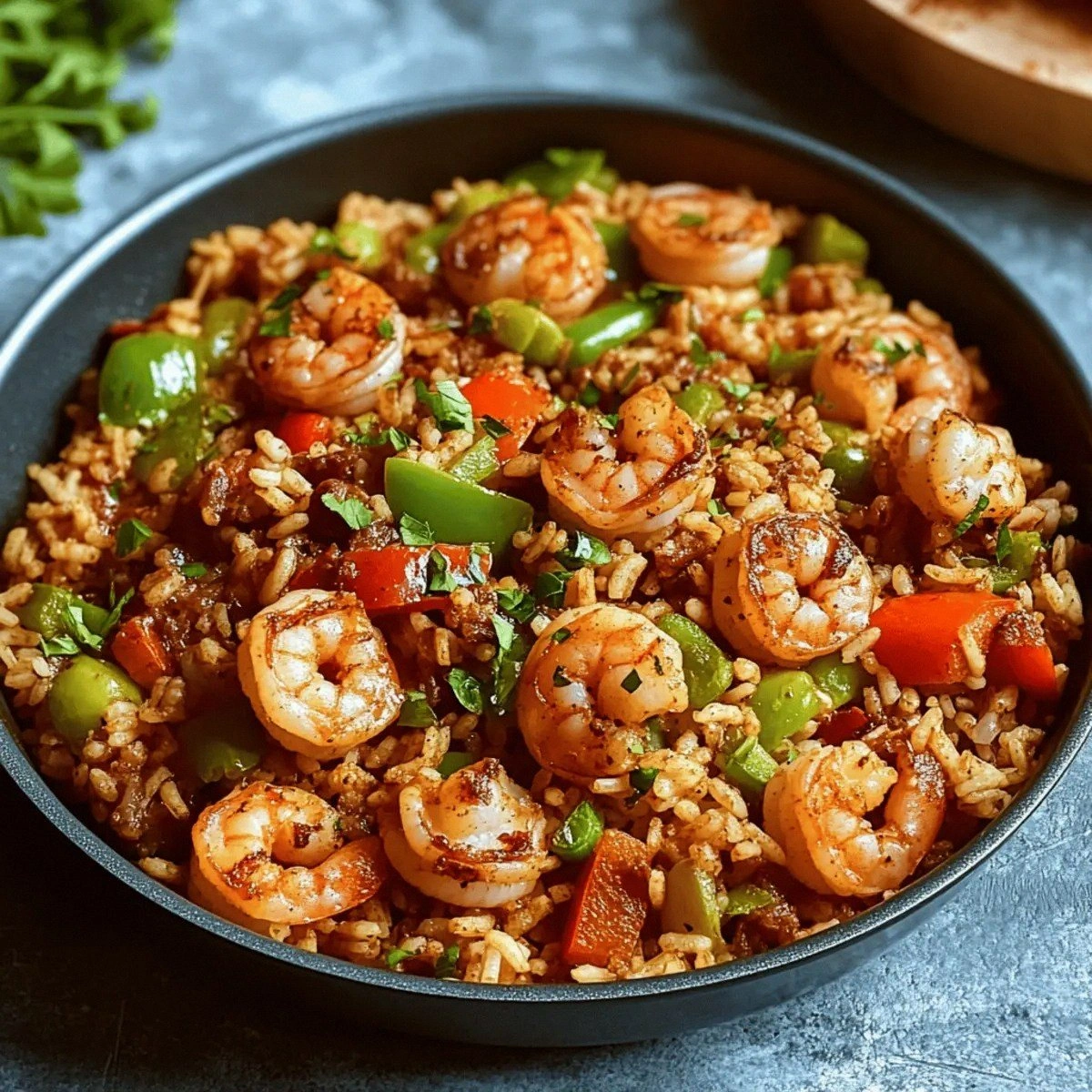
Last Tuesday night, I was standing in my kitchen at 9:47 PM, still in my work clothes, staring at a fridge that held exactly four things: a pound of shrimp, some leftover rice, a half-used tube of pork sausage, and a single sad bell pepper. My stomach was growling like an angry raccoon, my delivery app was tempting me with $4.99 delivery fees, and I was this close to throwing in the towel. Then I remembered my Louisiana neighbor's voice in my head: "When life gives you shrimp and sausage, you make dirty rice, cher." Thirty minutes later, I was standing over my stove, shoveling what might be the most addictive comfort food on the planet straight from the pan, burning my tongue in the best possible way.
Here's the thing about dirty rice — most people think it's just rice with stuff mixed in, but they're dead wrong. Real dirty rice is a revelation, a party in a pan where every grain of rice gets coated in this incredible, savory, deeply spiced goodness that makes you wonder why you ever bothered with plain rice. The "dirty" part? That's not just a cute name. It's the magic that happens when the pork sausage renders its fat, the vegetables caramelize, and all those beautiful browned bits (the fond, if we're being fancy) get scraped up and mixed into the rice until it turns this gorgeous, mottled color that looks, well, deliciously dirty.
But here's where most recipes mess up — they treat the shrimp like an afterthought, tossing them in at the end like some kind of obligatory protein. That's culinary crime, my friends. When you treat the shrimp right, when you let them get those crispy edges and soak up all that spicy, porky goodness, they transform this humble rice dish into something that'll make you want to write poetry. I dare you to taste this version and not immediately start planning when you can make it again.
Let me walk you through every single step — by the end, you'll wonder how you ever made it any other way.
What Makes This Version Stand Out
One-Pan Wonder: Everything happens in a single skillet, which means fewer dishes and more flavor because all those beautiful browned bits get incorporated instead of washed down the drain. Plus, who wants to wash a mountain of pots when you could be eating?
Shrimp First Strategy: We sear the shrimp separately and fold them in at the end, ensuring they stay plump and get those gorgeous caramelized edges that make each bite taste like you're at a seaside restaurant in New Orleans.
The Real Cajun Trinity: Most recipes skimp on the holy trinity (bell pepper, onion, celery), but we use a full ratio that creates the authentic flavor base that makes Louisiana food so addictive.
Smoky Paprika Magic: That tablespoon of smoked paprika isn't just for color — it's the secret weapon that gives this dish depth and complexity that'll have people asking what your secret ingredient is.
Restaurant-Quality Technique: We'll show you how to bloom your spices in oil, which releases their essential oils and creates layers of flavor that most home cooks never achieve.
Leftover Gold: This actually gets better overnight, transforming into the most incredible lunch that'll make your coworkers jealous when they smell it heating up in the microwave.
Inside the Ingredient List
The Flavor Base
The ground pork sausage is where all the magic begins — and please, I'm begging you, don't use that flavorless grocery store stuff. Get the good sausage, the kind that actually tastes like pork and has visible flecks of sage and pepper. When it hits that hot pan and starts rendering its fat, it creates the foundation that makes everything else taste incredible. The fat from the sausage is liquid gold; it's what we'll use to cook our vegetables and toast our rice, creating layers upon layers of flavor that build like a symphony.
That Cajun seasoning isn't just there to make things spicy — though it certainly does that. Good Cajun seasoning is a complex blend that typically includes paprika, cayenne, garlic powder, onion powder, thyme, and oregano. When you add it early in the cooking process and let it toast in the hot fat, it blooms and releases all those aromatic compounds that make your kitchen smell like you've been transported straight to Bourbon Street.
The Texture Crew
Long grain white rice is non-negotiable here — don't try to get cute with brown rice or wild rice or whatever health food you're trying to sneak into dinner. Long grain rice stays separate and fluffy, each grain perfectly distinct and coated in all that flavorful goodness. The key is to toast it in the sausage fat until it starts to smell nutty and turns opaque around the edges — this step is what separates good dirty rice from great dirty rice.
Those three cloves of garlic might seem like overkill, but trust me on this one. When you mince them fine and add them after the vegetables have softened, they melt into the dish and give it that pungent, aromatic backbone that makes you close your eyes and sigh with satisfaction. Fresh garlic is essential here — none of that pre-minced stuff that tastes like disappointment and preservatives.
The Unexpected Star
The shrimp might seem like the star of the show, but here's the plot twist — they're actually the supporting actor that makes everyone else look good. By searing them first and setting them aside, we ensure they don't overcook and turn into rubbery little disappointments. When you fold them back in at the end, they get just enough time to warm through and absorb some of that incredible sauce without losing their sweet, ocean-kissed flavor.
And please, please don't buy those sad, tiny shrimp that have been sitting in the freezer case since the Clinton administration. Get the good stuff — medium to large shrimp that smell like the sea and have that beautiful translucent quality. They cost a bit more, but this isn't the place to economize. You're already saving money by cooking at home instead of ordering takeout.
The Final Flourish
Fresh parsley at the end isn't just for pretty green flecks — it adds this bright, clean note that cuts through all the richness and makes everything taste fresh and balanced. The trick is to add it right before serving so it stays vibrant and doesn't wilt into sad, limp green bits. Chop it roughly, not too fine — you want actual pieces that you can taste, not just green confetti.
That optional hot sauce? It's not really optional if you ask me. A few dashes of Crystal or Louisiana hot sauce added right at the end wakes everything up and ties all the flavors together like the perfect accessory to an already stunning outfit. The vinegar in the hot sauce brightens everything and makes all the other flavors pop even more.
The Method — Step by Step
- Start by patting your shrimp completely dry with paper towels — I mean really dry, like you're trying to remove every trace of moisture. This is crucial for getting that beautiful sear instead of steaming them into sad, rubbery little curls. Season them generously with salt, pepper, and a pinch of the Cajun seasoning while your skillet heats up over medium-high heat. When the pan is smoking hot — and I mean when you can feel the heat radiating up from the surface — add a tablespoon of olive oil and swirl it around. Lay the shrimp in a single layer and don't touch them for a full two minutes; this is where the magic happens and those gorgeous caramelized edges form.
- Flip each shrimp individually with tongs — yes, it's a bit tedious, but this is not the time to get lazy and shake the pan around. Cook for just another minute on the second side until they're opaque and curled into that perfect C shape (not an O shape — that's overcooked). Transfer them to a plate immediately because they'll keep cooking from residual heat, and nobody wants tough shrimp. Don't you dare rinse out that pan — those brown bits stuck to the bottom? That's pure flavor gold that we'll use in a minute.
- Add the remaining olive oil to the same pan along with the ground pork sausage, breaking it up with a wooden spoon into bite-sized pieces. Let it brown undisturbed for about three minutes — this is where we build the foundation of flavor. Break it up further as it cooks, letting some pieces get really crispy and caramelized while others stay juicy. When it's about 80% cooked through and has released all that glorious fat, use a slotted spoon to transfer the sausage to the plate with the shrimp, leaving all the rendered fat in the pan.
- Now we're building what's called the holy trinity in Cajun cooking — add your diced onion, bell pepper, and celery to that sausage fat and watch the magic happen. The vegetables should sizzle enthusiastically when they hit the pan; if they don't, your pan isn't hot enough. Cook them for about five minutes, stirring occasionally, until they start to soften and the edges of the onion turn translucent. This is where your kitchen starts smelling like you've been transported to a New Orleans kitchen, and neighbors might start knocking on your door.
- Add the minced garlic and cook for just 30 seconds — you want it fragrant but not browned, because burnt garlic turns bitter and will ruin all your hard work. Stir in the rice and let it toast in all those beautiful vegetable juices and sausage fat for about two minutes. The rice should start to look slightly opaque around the edges and smell nutty — this step is crucial for preventing mushy rice and gives each grain that perfect texture.
- Time for the spice party — add the Cajun seasoning, smoked paprika, and cayenne pepper, stirring constantly for about 30 seconds to let the spices bloom in the hot fat. This step releases all the essential oils in the spices and creates layers of flavor that'll make you wonder why your other rice dishes taste flat. Pour in the chicken broth and give everything a good stir, scraping up all those beautiful browned bits from the bottom of the pan with your wooden spoon.
- Bring everything to a boil, then reduce the heat to low, cover tightly with a lid, and let it simmer for 18 minutes. Resist the urge to peek — every time you lift that lid, you're releasing steam and extending your cooking time. Set a timer and walk away; this is a good time to chop your parsley or set the table or dance around your kitchen to some good music. When the timer goes off, remove the pan from heat but keep it covered for another 5 minutes — this finishing steam makes the rice perfectly fluffy.
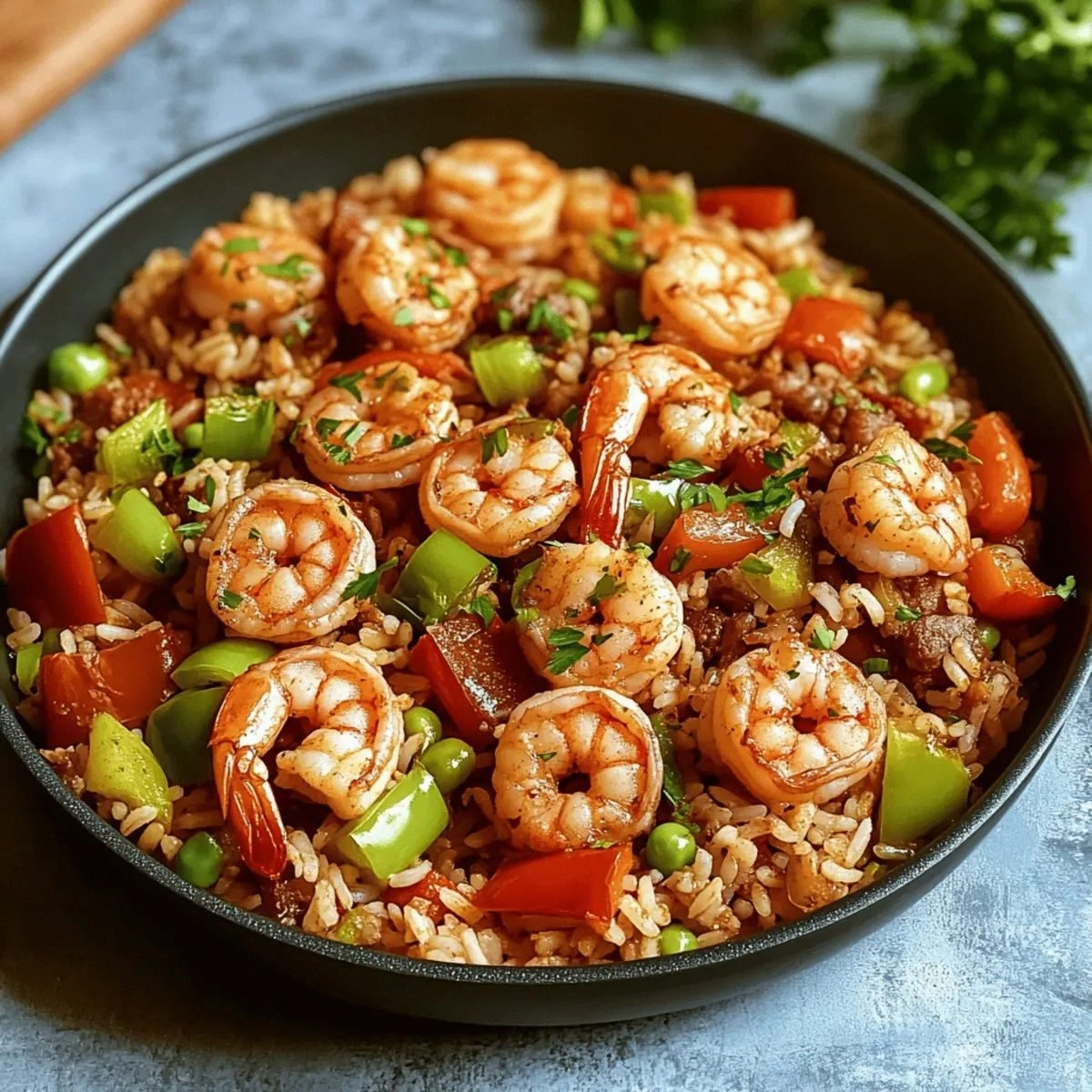
- Now for the grand finale — fluff the rice with a fork, add the reserved shrimp and sausage back to the pan, and fold everything together gently. You want to distribute the goodies evenly without mashing the rice into mush. Add the chopped parsley and a few dashes of hot sauce if you're using it, give it one final gentle fold, and serve it up hot. That first bite? Pure Louisiana magic that'll transport you straight to a backyard crawfish boil, even if you're eating it in your apartment kitchen at 10:30 PM on a Tuesday.
That's it — you did it. But hold on, I've got a few more tricks that'll take this to another level...
Insider Tricks for Flawless Results
The Temperature Rule Nobody Follows
Here's the thing that separates restaurant-quality results from home cooking disasters — temperature control matters more than any fancy ingredient. Your pan should be screaming hot for the shrimp, medium for the vegetables, and low for the final simmer. I learned this the hard way when I tried to rush through everything on high heat and ended up with burnt garlic, mushy vegetables, and rice that was crunchy in the middle. Now I treat each stage like a different dance — fast and hot for searing, slow and steady for building flavors, gentle and low for finishing.
Invest in an instant-read thermometer if you really want to nail this — shrimp are perfectly cooked at 120°F (they'll continue cooking to 140°F from residual heat), and your simmering liquid should stay around 200°F for perfect rice texture. Yes, I'm asking you to be that person with the thermometer, but your shrimp will thank you by staying plump and juicy instead of curling into tight little rubber bands.
Why Your Nose Knows Best
Forget timers for a second — your nose is actually the best kitchen tool you have. When the sausage is perfectly browned, you'll smell that rich, meaty aroma that makes your stomach growl. When the vegetables are properly softened, they'll smell sweet and aromatic instead of raw and sharp. When the garlic is ready, you'll get that unmistakable pungent hit that tells you it's time to add the next ingredient. I once had a friend who tried to cook this while talking on the phone and missed every olfactory cue — ended up with burnt sausage, raw onions, and bitter garlic all in one pan.
Trust your senses, but also trust your ears — that sizzle when the shrimp hit the pan should sound like applause, not a gentle simmer. If things sound too quiet, your pan isn't hot enough. If they're screaming and smoking like crazy, back off the heat. Cooking is a full-body experience, not just following a recipe like a robot.
The 5-Minute Rest That Changes Everything
This might be the hardest instruction to follow, but it's absolutely critical — after the rice finishes cooking, let it rest off the heat for five full minutes before you fluff it. I know you're hungry, I know it smells incredible, and I know you want to dig in right now. But those five minutes are when the rice absorbs the last of the liquid, the grains firm up, and everything melds together into that perfect texture. Skip this step and you'll have wet, mushy rice that falls apart when you try to serve it.
Use this time to set the table, pour yourself a drink, or just stand there and admire your handiwork. When you finally lift that lid and fluff the rice with a fork, you'll be rewarded with perfectly separate grains that still hold together and absorb all those beautiful flavors. My neighbor calls this "the patience tax" — pay it every time and you'll never have disappointing rice again.
Creative Twists and Variations
This recipe is a playground. Here are some of my favorite ways to switch things up:
The Bayou Brunch Version
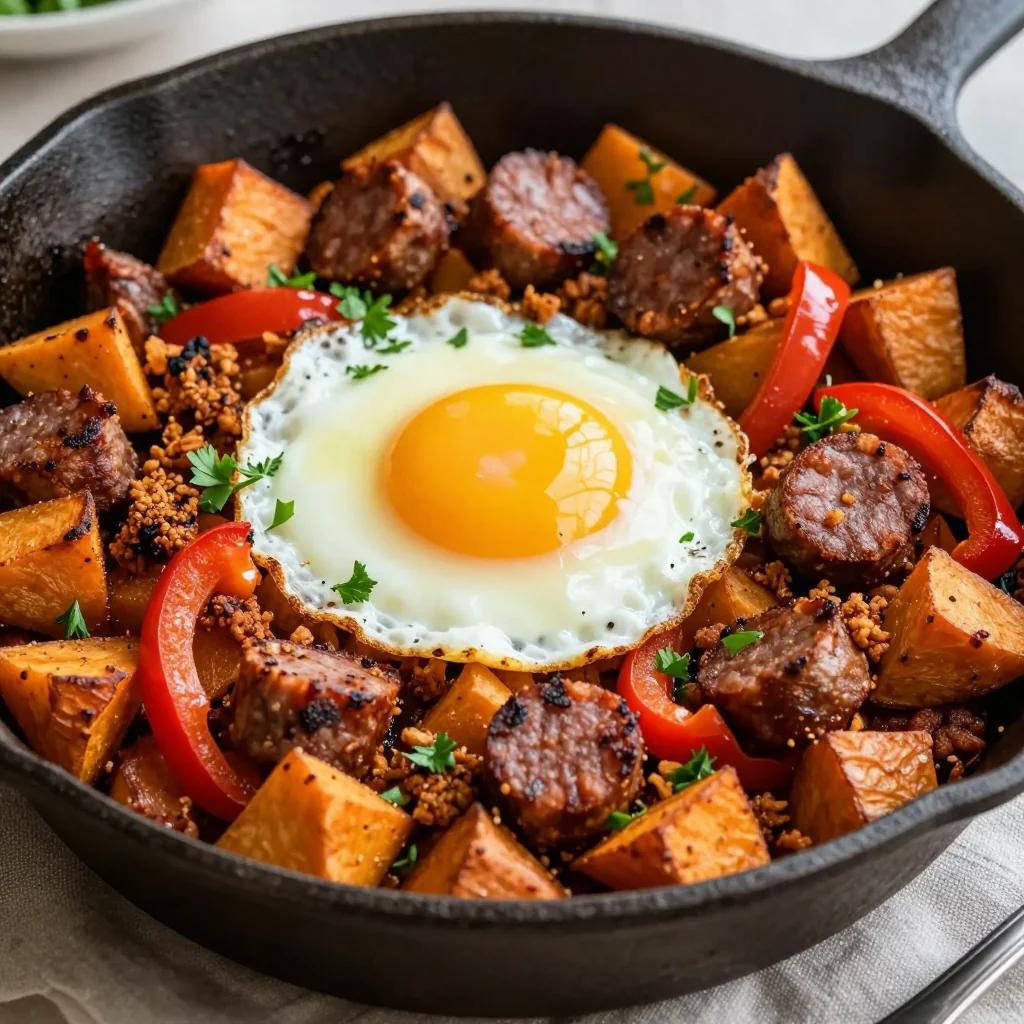
Add a fried egg on top of each serving and you've got yourself a brunch that'll cure anything from a broken heart to a broken hangover. The runny yolk creates this incredible sauce that mingles with the spicy rice, and suddenly you're eating something that feels like it came from the best little diner in New Orleans. I like to add a dash of Crystal hot sauce right on the egg for that perfect vinegary kick that cuts through all the richness.
The Health Nut Remix
Swap the white rice for cauliflower rice and use turkey sausage instead of pork — yes, I know, I can hear the purists screaming already. But sometimes you want all those incredible flavors without the food coma afterward. The key is to cook the cauliflower rice separately and add it at the very end so it doesn't turn into mush. It's not the same, but it's surprisingly good, and you can eat twice as much without feeling like you need a nap.
The Coastal Catch Edition
Mix it up with different seafood — crawfish when they're in season, chunks of firm white fish like cod or halibut, or even some scallops seared alongside the shrimp. Each brings its own personality to the party, and suddenly you've got a restaurant-quality seafood medley that costs a fraction of what you'd pay out. Just remember to adjust cooking times — scallops need that same quick sear as shrimp, while chunks of fish need a few minutes longer to cook through.
The Vegan Louisiana
Replace the sausage with crumbled tempeh that's been sautéed with liquid smoke and extra Cajun seasoning, use vegetable broth instead of chicken, and add some diced mushrooms for that umami richness. It's not the same dish, but it's got the same soul-satisfying quality that makes you want to eat it straight from the pan at midnight. I've served this to skeptical meat-eaters who went back for seconds and thirds.
The Weeknight Shortcut
Use pre-cooked rice from yesterday's takeout or those microwave packets in a pinch — just skip the toasting step and add the rice after the vegetables are soft. It's not quite as good, but when you've got hungry kids and 20 minutes until bedtime, it's a lifesaver. I keep cooked rice in my freezer specifically for these emergencies, and it thaws perfectly when you add it to the hot pan.
The Party Platter
Double the recipe and serve it as a warm dip with tortilla chips — yes, it sounds weird, but trust me on this one. The rice gets all crispy around the edges of the baking dish, the shrimp get concentrated and intense, and suddenly you've got the most addictive party food that nobody can stop eating. I brought this to a potluck once and people were literally scraping the dish clean with chips like it was the best bean dip they'd ever had.
Storing and Bringing It Back to Life
Fridge Storage
Leftovers will keep for up to four days in an airtight container in the refrigerator, though honestly, it's never lasted more than two days in my house because people keep sneaking spoonfuls straight from the container. Store the shrimp and rice together — they'll actually improve each other as the rice absorbs some of that shrimp flavor overnight. Just make sure everything cools completely before you cover it, or you'll create condensation that makes everything soggy and sad.
The key is to use containers that seal really well — those glass ones with the locking lids are worth every penny because they keep everything fresh and prevent your fridge from smelling like a Cajun restaurant. If you're planning to portion it out for lunches, divide it up while it's still slightly warm — it packs better and you'll thank yourself when you're rushing out the door in the morning.
Freezer Friendly
This freezes beautifully for up to three months, which makes it perfect for meal prep or those nights when you can't even think about cooking. Portion it into individual freezer bags, squeeze out all the air, and lay them flat to freeze — they'll stack like books in your freezer and thaw much faster than a solid block. The shrimp texture changes slightly after freezing, but honestly, once it's reheated with all those bold flavors, you won't even notice.
Label everything with the date and contents because three months from now, that mystery bag could be anything, and nobody wants to play "guess what's for dinner" with frozen food. Pro tip: freeze some extra hot sauce in ice cube trays and pop a cube into each bag — when you reheat, it melts and freshens everything up perfectly.
Best Reheating Method
The microwave works fine in a pinch, but for best results, reheat it gently in a skillet with a splash of chicken broth or water. Cover it and let it steam over medium-low heat, stirring occasionally, until everything is heated through — this brings back that just-cooked texture better than anything else. If you're using the microwave, add a tablespoon of water, cover loosely, and heat in 30-second bursts, stirring between each one to prevent hot spots.
Whatever you do, don't reheat the shrimp for too long or they'll turn into rubbery little disappointments. If you're really concerned about texture, fish out the shrimp and add them just for the last minute of reheating. And here's a revelation — this is actually amazing cold, straight from the fridge, like a spicy rice salad that hits all the right notes when you're standing in front of the refrigerator at 2 AM.