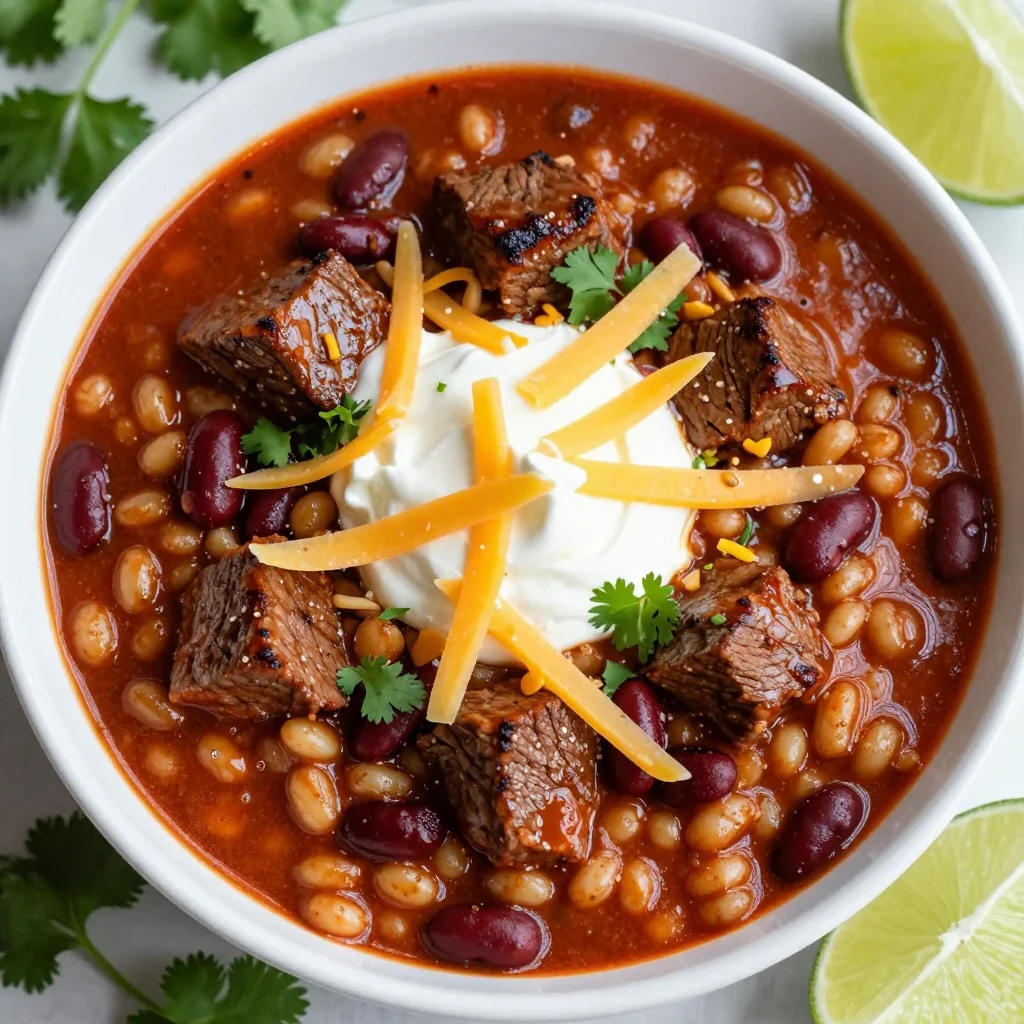
I remember that night like it was yesterday. I had just finished a long day of meetings and the only thing I wanted was a comforting, hearty meal that would make the whole house smell like home. I rummaged through the pantry, tossed a handful of ingredients onto the counter, and realized I had a handful of ground beef, some onions, a jar of ketchup, a splash of Worcestershire, and a bag of breadcrumbs. I had no idea what to do with them. Then, in a moment of culinary epiphany, I decided to turn that ragtag mix into a slow‑cooker Salisbury steak that would make even my skeptical brother swoon.
The first thing that hit me was the aroma. As the beef began to brown in the pan, a savory scent of caramelized onions and garlic wafted through the kitchen. The sizzle was like a small fire in a quiet room, a promise that something delicious was about to happen. The texture of the meat was firm yet juicy, a perfect balance that would translate beautifully into the slow cooker. I could already imagine the sauce thickening, the flavors melding, and the final dish being so tender it would fall apart on a fork.
What sets this version apart is that it’s not just a rehash of a classic; it’s a reimagining. I added a splash of soy sauce for umami depth, a pinch of brown sugar for caramelized sweetness, and a dash of mustard to cut through the richness. The result is a sauce that coats the meat like velvet, with a glossy sheen that makes the dish look as good as it tastes. I dare you to taste this and not go back for seconds. Trust me, your palate will be begging for more.
The technique that will blow your mind is the “simmer‑then‑slow‑cook” method. I’ll explain how to get that perfect sear that locks in flavor, then how to transfer the whole thing to the slow cooker with all the aromatics intact. By the end of this post, you’ll have a recipe that is hands down the best version you'll ever make at home, and you’ll wonder how you ever made it any other way.
What Makes This Version Stand Out
- Flavor: The sauce is a complex tapestry of sweet, savory, and umami notes that envelop each steak in a glossy, mouth‑watering coating.
- Texture: The meat is tender but holds its shape, thanks to the careful balance of breadcrumbs and egg that bind without making it rubbery.
- Simplicity: With only a handful of pantry staples, you can create a restaurant‑quality dish in under an hour.
- Uniqueness: The addition of soy sauce and mustard gives a subtle twist that sets it apart from traditional Salisbury steak.
- Crowd Reaction: Family and friends rave about the melt‑in‑your‑mouth texture and the rich sauce that pairs perfectly with mashed potatoes.
- Ingredient Quality: Using fresh onions, high‑quality ground beef, and real Worcestershire sauce elevates the dish from ordinary to extraordinary.
- Cooking Method: The slow cooker ensures even cooking and allows the flavors to develop fully without constant supervision.
- Make‑ahead Potential: This recipe stores beautifully and can be reheated without losing its luscious sauce.
Inside the Ingredient List
The Flavor Base
Ground beef is the star of this dish, but it’s the foundation that carries the flavor. I recommend using a lean‑to‑medium ratio (around 80/20) to keep the meat juicy while still providing enough fat for richness. If you skip the beef, you lose the hearty, meaty essence that makes Salisbury steak comforting. A good quality beef, like a chuck roast grind, gives that deep, savory undertone that’s hard to replicate with substitutes.
Onion is the aromatic backbone. Finely diced, it releases sweetness when caramelized, creating a subtle foundation that the sauce builds upon. If you prefer a sharper bite, try using a mix of white and yellow onions. A pinch of salt at this stage helps draw out moisture, ensuring the onions release their flavors early. If you skip the onion, the dish will feel flat and lacking depth.
Garlic adds a punch that lingers. Mince it finely so it distributes evenly across the meat. Garlic’s natural oils infuse the beef, giving the dish that comforting, almost medicinal aroma that’s hard to resist. If you’re sensitive to garlic, you can reduce the amount or use roasted garlic for a milder, sweeter note.
The Texture Crew
Breadcrumbs are essential for binding the meat into cohesive patties. They also absorb excess moisture, keeping the steak from becoming mushy in the slow cooker. Opt for fresh, dry breadcrumbs; stale ones can make the texture gummy. If you’re gluten‑free, use almond flour or a gluten‑free breadcrumb blend. Skipping breadcrumbs will make the patties fall apart during cooking.
Egg acts as a natural binder, holding the mixture together. It also adds a subtle richness that enhances the overall mouthfeel. If you’re vegan, you can replace the egg with a flaxseed “egg” or a commercial egg replacer. Omit the egg entirely and the patties will be crumbly and difficult to handle.
Milk or buttermilk is added to moisten the breadcrumbs and create a silky texture. A splash of buttermilk also introduces a slight tang that brightens the dish. If you skip the milk, the mixture can become dry, making the patties hard to form and cook evenly.
The Unexpected Star
Soy sauce may seem like an odd choice for a classic Salisbury steak, but its umami depth is a game‑changer. It adds a subtle saltiness that balances the sweetness from the brown sugar and ketchup. If you’re watching sodium, use a low‑sodium variety and adjust the added salt accordingly. Skipping soy sauce will result in a flatter flavor profile.
The Final Flourish
Worcestershire sauce is the secret to a robust, tangy flavor. It’s a fermented condiment that adds complexity and a hint of vinegar that cuts through the richness. If you can’t find Worcestershire, a splash of balsamic vinegar and a pinch of molasses can mimic its profile. Without Worcestershire, the dish lacks that signature depth that makes it memorable.
Ketchup and mustard combine to form the sauce’s base. Ketchup provides sweetness and color, while mustard adds a subtle heat and acidity. Together, they create a balanced sauce that coats the meat like velvet. If you prefer a thicker sauce, add a tablespoon of tomato paste to intensify the tomato flavor.
Brown sugar brings caramelized sweetness that pairs beautifully with the savory elements. It also helps create a glossy sheen on the sauce. If you’re on a low‑sugar diet, you can replace it with a sugar substitute that can stand up to heat. Skipping brown sugar will result in a sauce that’s less complex and slightly dull.
Everything’s prepped? Good. Let’s get into the real action and bring this dish to life.

The Method — Step by Step
- In a large skillet over medium‑high heat, add a splash of oil and brown the ground beef in batches. The sear develops a caramelized crust that locks in juices and creates a deep flavor foundation. Be sure not to overcrowd the pan; the meat should sizzle, not steam. This step is the moment of truth—watch the color shift from raw to golden brown.
- Add the diced onions and minced garlic to the pan, sautéing until translucent and fragrant. The onions should become soft but still retain a slight bite. Stir occasionally to prevent burning. The aroma that rises is a promise of the comforting dish to come.
- In a mixing bowl, combine the browned beef, sautéed onions, garlic, breadcrumbs, egg, milk, Worcestershire sauce, soy sauce, salt, pepper, and a dash of mustard. Mix gently with your hands or a spoon until just combined; overmixing can make the meat tough. The mixture should hold together when pressed into a patty.
- Shape the mixture into four oval patties, about 1½ inches thick. Press them gently to ensure even thickness. Place the patties on a plate and let them rest for 10 minutes; this helps the flavors meld.
- Transfer the patties to the slow cooker. If you like a slightly caramelized exterior, you can sear them again briefly in the skillet before placing them in the cooker.
- In the same skillet, deglaze with beef broth, scraping up any browned bits. Add ketchup, brown sugar, mustard, and a splash of tomato paste. Stir until the sauce thickens slightly and the sugar dissolves.
- Pour the sauce over the patties in the slow cooker, ensuring each patty is coated. Cover and cook on low for 4 hours or on high for 2 hours. The long, slow cooking allows the flavors to meld and the meat to become melt‑in‑your‑mouth tender.
- Once cooked, remove the patties and let them rest for 5 minutes. This allows the juices to redistribute. While the meat rests, reduce the sauce on the stove for a few minutes to thicken it to your desired consistency.
- Serve the patties hot, spooning the glossy sauce over them. Pair with creamy mashed potatoes, buttered noodles, or a simple green salad. The sauce’s velvety texture will cling to the starch, creating a harmonious bite.
That’s it—you did it. But hold on, I’ve got a few more tricks that’ll take this to another level. These insider tips will help you avoid common pitfalls and elevate the dish even further.
Insider Tricks for Flawless Results
The Temperature Rule Nobody Follows
While the slow cooker is a convenient appliance, the temperature setting matters. Cooking on low gives the meat a chance to break down slowly, but if you’re in a hurry, the high setting works well. The key is to let the meat rest after cooking; this allows the juices to redistribute. A friend once left his Salisbury steak on high for 6 hours, and the result was mushy—an easy mistake to avoid.
Why Your Nose Knows Best
Trust your sense of smell. When the sauce starts to thicken, it should emit a rich, caramelized aroma. If the sauce smells like raw onions, you’re not cooking long enough. If it smells like burnt sugar, you’re over‑cooking. Your nose is a reliable guide to the perfect finish.
The 5‑Minute Rest That Changes Everything
After the slow cooker finishes, let the patties rest for 5 minutes before serving. This short pause allows the juices to settle, ensuring each bite is juicy rather than dry. I’ve seen people skip this step and end up with a dish that feels flat. The rest period is a small investment for a big payoff.
Add a Splash of Water Before Reheating
If you’re reheating leftovers, add a tablespoon of water to the sauce before microwaving. This prevents the sauce from drying out and keeps the meat moist. It’s a simple trick that makes the reheated dish taste almost as fresh as the first time.
Use a Meat Thermometer for Precision
A quick check with a meat thermometer can confirm doneness. The internal temperature should reach 160°F (71°C) for ground beef. This ensures food safety without overcooking. A friend once tried to eyeball it and ended up with undercooked meat—never again.
Creative Twists and Variations
Mediterranean Flair
Swap the ketchup for sun‑dried tomato paste and add chopped olives and feta cheese to the sauce. The briny olives and creamy feta introduce a Mediterranean twist that pairs beautifully with couscous or roasted vegetables. This variation is perfect for a light, yet satisfying meal.
Spicy Cajun Kick
Add a tablespoon of Cajun seasoning to the meat mixture and a splash of hot sauce to the sauce. The heat from the Cajun spices and the tang from the hot sauce create a bold flavor profile that excites the palate. Serve over rice to balance the spice.
Herb‑Infused Delight
Incorporate fresh rosemary, thyme, and parsley into the meat mixture. The herbs add a fragrant, earthy note that elevates the dish. This version is great for spring or summer when fresh herbs are at their peak.
Cheesy Explosion
Add shredded cheddar or mozzarella to the meat before forming the patties. The cheese melts into the meat, creating pockets of gooey delight. This variation is a hit with kids and cheese lovers alike.
Low‑Carb Option
Replace breadcrumbs with almond flour and reduce the amount of ketchup. Use a sugar substitute like stevia to keep the sauce sweet without the carbs. Pair with cauliflower rice for a wholesome, low‑carb meal.
Vegan Version
Use a plant‑based ground meat substitute, replace the egg with a flaxseed “egg,” and use a vegan Worcestershire sauce. The sauce can be made with vegetable broth and a splash of soy sauce. This version keeps the comfort of Salisbury steak while being plant‑friendly.
Storing and Bringing It Back to Life
Fridge Storage
Store the cooked patties and sauce separately in airtight containers. The patties can stay in the refrigerator for up to 4 days, while the sauce lasts 5 days. When ready to serve, reheat on low, stirring occasionally, until hot.
Freezer Friendly
Freeze the patties in a single layer on a parchment sheet before transferring to freezer bags. They stay good for up to 3 months. Thaw overnight in the refrigerator, then reheat on the stove with a splash of water to keep them moist.
Best Reheating Method
The best way to reheat is on the stovetop over medium heat. Add a tablespoon of water to the sauce and stir until it reaches the desired consistency. If using a microwave, cover the dish and heat in 30‑second intervals, stirring between each, to avoid uneven heating.