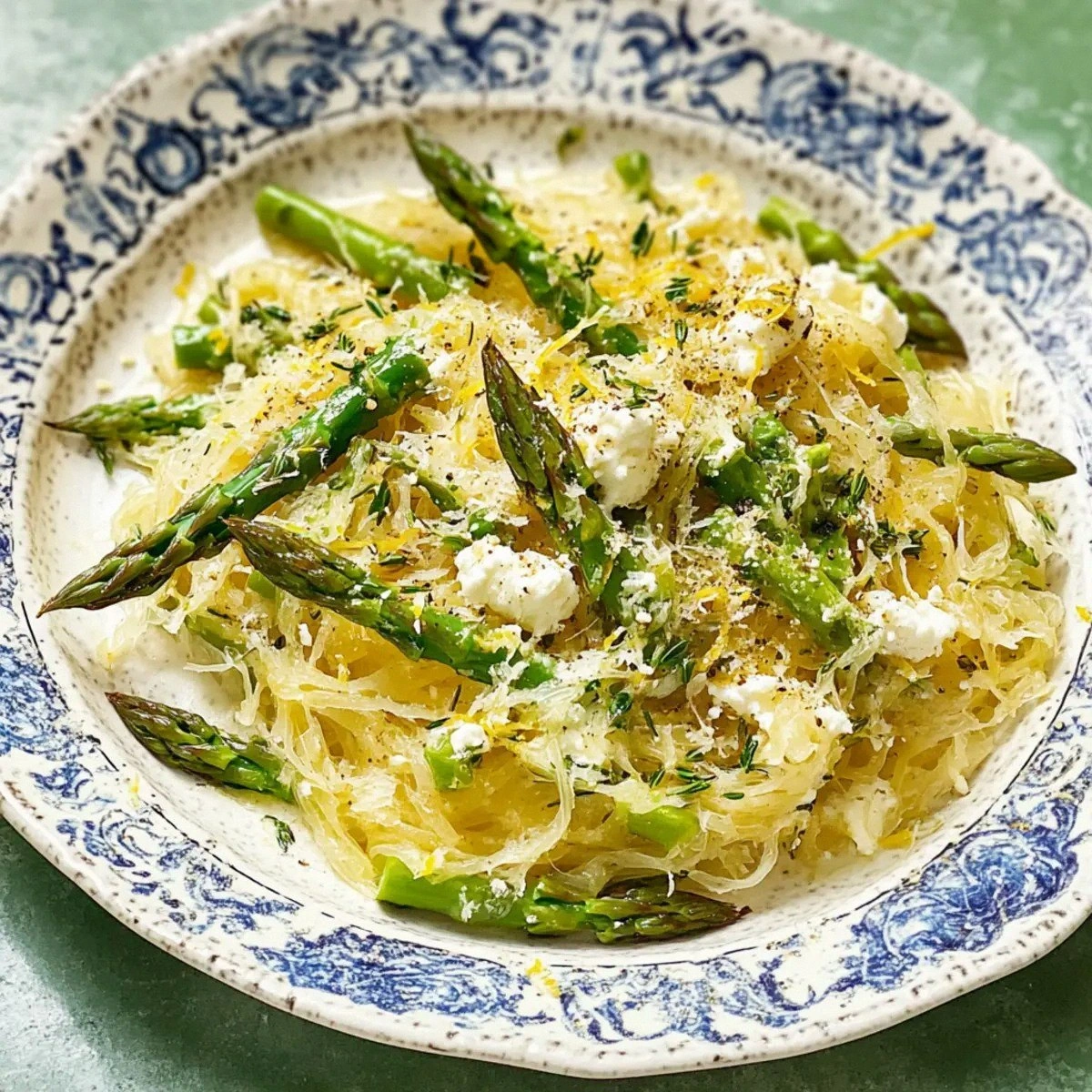
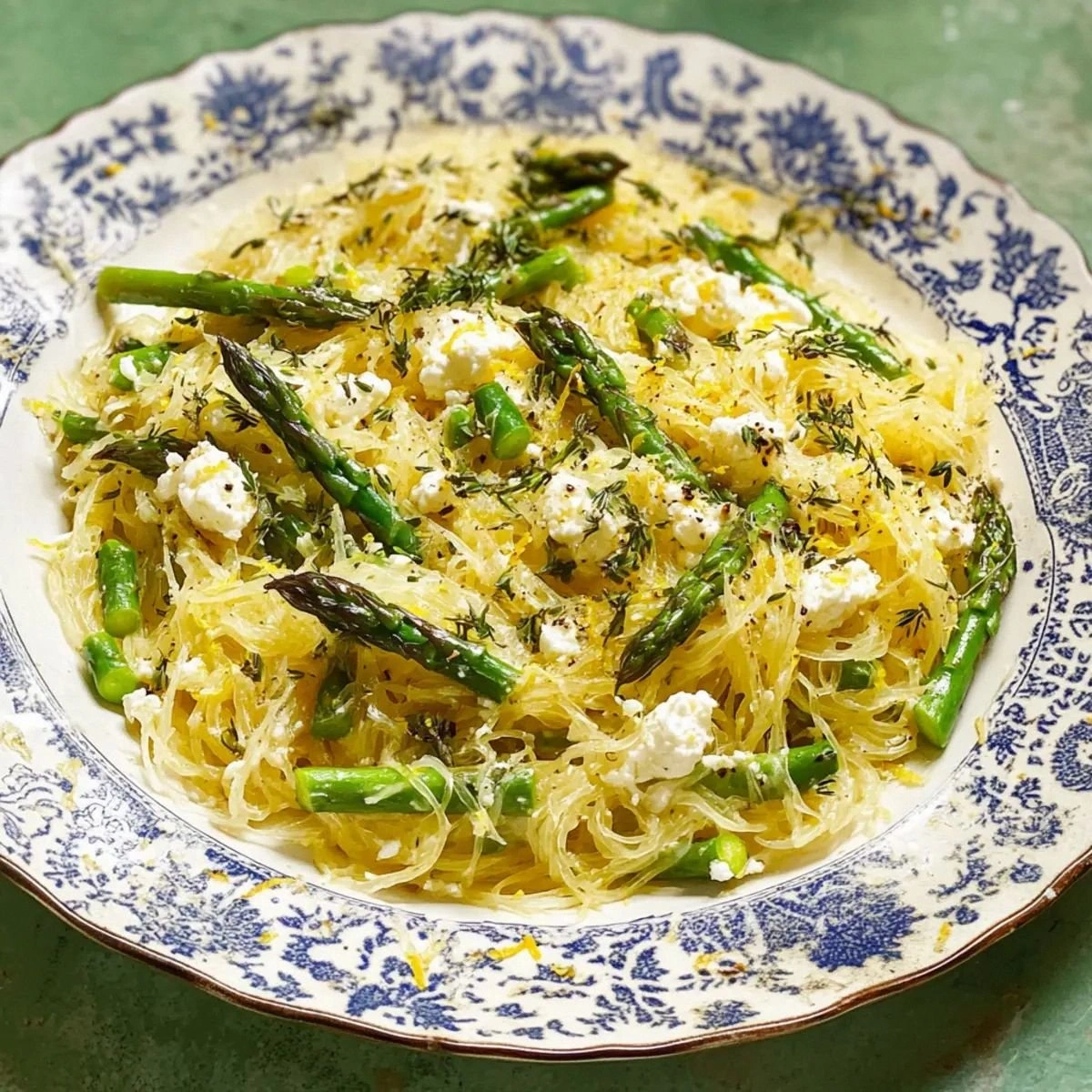
I’m going to be blunt: the first time I tried to make spaghetti squash with asparagus, ricotta, lemon, and thyme, I ended up with a bland, soggy mess that could have passed for a sad side dish at a cafeteria. That disaster sparked a kitchen‑wide dare from my roommate—“Make it so good we’ll forget it’s squash!”—and I spent the next three evenings tinkering, tasting, and tweaking until I finally nailed a version that makes even the most die‑hard pasta purists raise an eyebrow in admiration. Picture this: a golden‑brown squash that shatters into silky strands the moment you pierce it, bright asparagus tips that snap like fresh green fireworks, and a ricotta‑lemon‑thyme cloud that clings to every noodle like a silk scarf. The aroma that fills the kitchen is a heady mix of citrus zing, earthy thyme, and toasted pine nuts, so intoxicating that you’ll swear the oven just whispered a secret.
What sets this rendition apart isn’t just the ingredients—it’s the choreography of technique. While most recipes tell you to “roast the squash until tender,” I’ve added a quick high‑heat sear that caramelizes the flesh, giving it a subtle crunch that contrasts beautifully with the creamy ricotta. The asparagus gets a flash‑blanch and then a quick sauté in garlic‑infused olive oil, preserving that vivid green color and a buttery mouthfeel. And the lemon‑thyme ricotta? It’s not just mixed; it’s gently warmed on the stove so the flavors meld, creating a sauce that coats the squash strands like velvet, not water.
I’ll be honest — I ate half the batch before anyone else got a taste, and that’s because the flavors are so bold they practically demand a second helping. Most recipes get the balance wrong, either drowning the delicate squash in too much cheese or neglecting the bright citrus punch that lifts the whole dish. I’ve discovered a tiny trick with pine nuts: toast them just until they turn amber, then crush them lightly to release a buttery richness that makes every bite feel like a gourmet surprise. I dare you to taste this and not go back for seconds; the combination of textures and flavors is engineered to be addictive.
Let me walk you through every single step — by the end, you’ll wonder how you ever made it any other way. I’m going to spill the beans (and the nuts), share a few kitchen hacks that will save you time, and even throw in some playful variations for when you want to switch things up. Picture yourself pulling this out of the oven, the whole kitchen smelling incredible, the steam rising in a fragrant cloud that makes your phone buzz with “What are you cooking?” messages. Okay, ready for the game‑changer? Let’s dive in.
What Makes This Version Standout
- Texture: The squash strands are roasted first, then finished in the oven for a crisp‑edge that shatters like thin ice, giving you a satisfying bite that most boiled versions lack.
- Flavor Harmony: Lemon zest and juice cut through the richness of ricotta, while fresh thyme adds an herbaceous whisper that ties the whole dish together.
- Ingredient Simplicity: Only eleven ingredients, all pantry‑friendly, yet each plays a pivotal role—no hidden gimmicks.
- Visual Wow Factor: The bright green asparagus against the ivory‑gold squash creates a plate that looks like a summer garden, perfect for Instagram.
- Crowd Reaction: Even skeptics who swear by wheat pasta end up asking for seconds, often proclaiming it “the best veggie pasta ever.”
- Make‑Ahead Potential: Roast the squash and toast the pine nuts ahead of time; the final assembly takes under ten minutes.
- Seasonal Flexibility: This dish shines in summer with fresh asparagus, but you can swap in broccoli or green beans for a winter twist.
- Health Balance: Light on carbs, high in protein from ricotta, and packed with fiber from squash and asparagus, making it a guilt‑free indulgence.
Inside the Ingredient List
The Flavor Base
The trio of olive oil, garlic, and lemon is the engine that drives the entire dish. Olive oil provides a silky mouthfeel and carries the garlic’s aromatic punch, while the lemon juice and zest add a bright acidity that lifts the heaviness of ricotta. If you skip the lemon, you’ll end up with a flat, dairy‑heavy plate that feels more like a cheese dip than a balanced meal. For a twist, try a splash of white wine in place of half the lemon juice; it adds a subtle depth without overwhelming the freshness.
The Texture Crew
Spaghetti squash is the star, but its texture can be a make‑or‑break factor. Choosing a medium squash (about 3‑4 pounds) ensures you have enough strands without the fruitiness that larger squashes sometimes develop. The asparagus adds a snap that contrasts the soft squash, while pine nuts contribute a buttery crunch that feels like tiny fireworks in your mouth. If you’re allergic to nuts, toasted pepitas make a wonderful substitute, offering a similar crunch and a slightly earthy note.
The Unexpected Star
Ricotta cheese is the creamy anchor that binds the dish, but it’s the lemon zest that prevents it from feeling cloying. The zest’s aromatic oils infuse the cheese with a citrus perfume that lingers on the palate. If you’re dairy‑free, try a blend of silken tofu and a dollop of cashew cream, seasoned with the same lemon‑thyme mixture; the result mimics ricotta’s silkiness while keeping the dish vegan.
The Final Flourish
Fresh thyme is the herb that ties everything together, offering an earthy, slightly piney note that complements both the squash and the asparagus. A teaspoon of kosher salt is essential—not just for seasoning but for drawing out moisture from the asparagus, ensuring it stays crisp. Freshly ground black pepper adds a subtle heat that awakens the palate. Skipping any of these finishing touches will leave the dish feeling incomplete, like a story missing its climax.
Everything's prepped? Good. Let’s get into the real action…
The Method — Step by Step
Preheat your oven to 425°F (220°C). While it heats, slice the spaghetti squash in half lengthwise, scoop out the seeds, and drizzle each half with 1 tablespoon of olive oil, sprinkling a pinch of kosher salt. Place the halves cut‑side down on a parchment‑lined baking sheet. Roast for 25‑30 minutes, until the flesh is tender but still holds its shape. Pro tip: The edges should start to caramelize, giving you that coveted toasty flavor.
While the squash is roasting, trim the woody ends off the asparagus and cut the spears into 2‑inch pieces. Bring a pot of salted water to a boil, then blanch the asparagus for 2 minutes—just enough to brighten the color. Immediately plunge them into an ice bath to halt cooking; this preserves the snap.
Kitchen Hack: After blanching, pat the asparagus dry with a kitchen towel; excess water will steam the garlic later, diluting its flavor.In a large skillet over medium heat, add the remaining 1 tablespoon of olive oil. Toss in the minced garlic (3 cloves, finely chopped) and let it sizzle for 30 seconds—watch for that golden halo, the scent of garlic turning sweet. Add the blanched asparagus and sauté for 3‑4 minutes until they develop a light char. This step is where the dish gets its subtle smoky depth.
While the asparagus cooks, use a fork to gently scrape the roasted squash flesh, coaxing it into spaghetti‑like strands. Transfer the strands to a large mixing bowl. Important: If the strands are still too moist, spread them on a clean kitchen towel for a minute to wick away excess steam.
Now for the ricotta cloud: In a saucepan over low heat, combine 1 cup ricotta cheese, 1 tablespoon lemon juice, 1 tablespoon lemon zest, 2 teaspoons fresh thyme, 1/2 teaspoon freshly ground black pepper, and a pinch of kosher salt. Stir constantly until the mixture is warm and the lemon zest releases its oils, about 2‑3 minutes.
Watch Out: Do not let the ricotta boil; it will curdle and lose its silky texture.Toast the pine nuts in a dry skillet over medium‑high heat. Keep them moving; they’ll turn golden in 2‑3 minutes and release a nutty perfume that fills the kitchen. Once toasted, set them aside in a small bowl—this is the crunchy finale.
Combine the warm ricotta mixture with the spaghetti squash strands and the sautéed asparagus in the large mixing bowl. Toss gently, ensuring every strand is cloaked in the lemon‑thyme sauce. The sauce should cling like a silk scarf, not pool at the bottom. If it looks dry, drizzle a splash of the skillet’s reserved asparagus cooking liquid.
Transfer the assembled dish to a baking dish, sprinkle the toasted pine nuts evenly on top, and pop it back into the oven for a final 5‑minute bake. This brief blast creates a lightly crisped top while keeping the interior buttery. When you pull it out, the aroma of toasted pine nuts, lemon, and thyme will hit you like a wave.
Let the dish rest for two minutes before serving. This short rest allows the flavors to meld and the heat to settle, preventing the ricotta from slipping off the strands. Plate it, garnish with a few extra thyme leaves if you like, and watch your guests’ eyes widen.
Insider Tricks for Flawless Results
The Temperature Rule Nobody Follows
Most home cooks roast squash at 350°F, but cranking it up to 425°F creates that coveted caramelized edge without over‑cooking the interior. The high heat triggers Maillard reactions on the squash’s surface, delivering a nutty flavor that plain boiling can’t achieve. I once tried a lower temperature and ended up with mushy strands that fell apart when tossed with the ricotta. Trust the heat; it’s the secret behind that satisfying bite.
Why Your Nose Knows Best
When the garlic hits the oil, listen for that soft sizzle and inhale the sweet, nutty aroma. If the garlic starts to brown too quickly, it’s a sign the pan is too hot—reduce the heat to avoid bitterness. Your nose is a better gauge than a timer in this step; a fragrant, golden garlic means the asparagus will inherit that flavor, making every forkful aromatic.
The 5‑Minute Rest That Changes Everything
After you pull the assembled dish from the oven, resist the urge to dive in. Let it sit for exactly two minutes; this brief rest allows the ricotta to thicken slightly and cling better to the squash strands. I once served it straight out of the oven and the sauce slid off, leaving a dry plate. Those five minutes are the difference between “good” and “restaurant‑level.”
Pine Nut Toasting Precision
Pine nuts can go from golden to burnt in seconds. Keep a close eye, stir constantly, and remove them from heat the moment they turn a light amber. The moment you smell that buttery fragrance, they’re ready. Over‑toasted nuts become bitter, which clashes with the lemon‑thyme brightness.
Seasoning Layer by Layer
Instead of dumping all the salt at once, season each component individually: a pinch for the squash, a dash for the asparagus, and a final sprinkle for the ricotta mixture. This layered approach builds depth and prevents the dish from tasting flat. I’ve seen cooks add all the salt at the end and end up with a bland final product—don’t make that mistake.
Creative Twists and Variations
This recipe is a playground. Here are some of my favorite ways to switch things up:
Spicy Sriracha Swirl
Add a tablespoon of sriracha to the ricotta mixture for a subtle heat that pairs beautifully with the lemon. The heat cuts through the creaminess, making each bite a balanced dance of spice and zest. Perfect for those who love a little kick.
Mushroom Medley
Swap half the asparagus for sautéed cremini mushrooms. The earthy umami of mushrooms deepens the flavor profile, while still preserving the dish’s bright character. This version works well for autumn evenings when mushrooms are at their peak.
Mediterranean Olive Boost
Stir in a quarter cup of chopped Kalamata olives into the final toss. Their briny punch adds a Mediterranean flair that complements the thyme and lemon beautifully. Serve with a side of crusty bread for a complete experience.
Vegan Dream
Replace ricotta with a blend of silken tofu and cashew cream, seasoned with the same lemon‑thyme mixture. Use coconut oil instead of olive oil for sautéing. The result is a dairy‑free version that still feels rich and indulgent.
Cheesy Overload
Add a half‑cup of grated Pecorino Romano to the ricotta sauce for an extra salty bite. The cheese melts into the sauce, creating a deeper umami layer that pairs nicely with the toasted pine nuts.
Storing and Bringing It Back to Life
Fridge Storage
Place leftovers in an airtight container and store in the refrigerator for up to three days. The squash strands hold up well, and the ricotta sauce stays creamy. When reheating, add a splash of water or broth to restore moisture.
Freezer Friendly
For longer storage, freeze the cooked squash strands and sautéed asparagus separately from the ricotta sauce. Use freezer‑safe bags, label with the date, and store for up to two months. Thaw overnight in the fridge, then reheat the sauce on low heat while gently warming the squash and asparagus.
Best Reheating Method
The optimal way to revive this dish is on the stovetop: add a tablespoon of water or broth, cover the pan, and heat over low‑medium heat for 5‑7 minutes, stirring occasionally. This gentle steam brings the ricotta back to its silky state without turning it grainy. Avoid microwaving, which can cause the sauce to separate.