Remember that night when the blender exploded, splattering tomato pulp across the counter like a crimson confetti? I was staring at the chaos, realizing that the only thing left to salvage was a handful of ripe yellow tomatoes. I thought, why not turn that mess into a chilled masterpiece? I grabbed a small shallot, a splash of lime, and a whisper of lemongrass paste and imagined a soup that could cool a scorching summer evening. That moment sparked what would become my ultimate Thai gazpacho.
From the first bite, the soup sang with citrus brightness, the sweetness of palm sugar dancing against the fiery chile paste. The coconut milk swirled like a silky sea, giving the broth a creamy texture that felt like a tropical breeze. I was so hooked that I dared my friends to taste it and not ask for seconds. They laughed, but the first spoon left them gasping, their eyes widening in disbelief. That was the proof that this recipe was not just a bowl of soup—it was a revelation.
What sets this version apart is the deliberate layering of flavors, each component playing its part like instruments in a symphony. The fresh ginger adds a subtle heat that lingers long after the first spoon, while the lime zest brightens the entire dish with a citrusy sparkle. The lemongrass paste infuses a fragrant aroma that transports you straight to a Thai market at dawn. And the coconut milk, when drizzled at the end, creates a luxurious finish that feels like a cloud of coconut foam. Together, they form a bowl that is as complex as it is refreshing.
I promised myself that this would be the only version of Thai gazpacho I ever made. I experimented with the ratio of fish sauce to palm sugar until the balance was just right, and I discovered that a pinch of chile paste is enough to ignite a flavor explosion. I also found that using chilled shrimp adds a protein punch that turns the soup from a starter to a complete meal. The secret? A gentle blend of heat and sweetness, wrapped in the cool embrace of coconut milk. This twist will leave your taste buds humming and your palate begging for more.
Let me walk you through every single step—by the end, you'll wonder how you ever made it any other way. I’ll share the exact measurements, the precise timing, and the little tricks that make this dish sing. From the first chop to the final drizzle, every action is designed to maximize flavor while keeping the preparation simple. And if you’re ready to dive into a bowl of liquid sunshine, then read on. The journey begins now.
What Makes This Version Stand Out
- Flavor Complexity: Every spoonful is a cascade of bright citrus, sweet palm sugar, and a subtle heat that lingers. The lemongrass paste gives an aromatic lift that feels like a walk through a Thai market at sunrise. It’s the kind of layered taste that makes you reach for another ladle.
- Heat Precision: A single teaspoon of chile paste is enough to spark a flavor explosion without overwhelming the palate. The heat is balanced by the cooling coconut milk, creating a harmonious dance of spice and cream. This precise balance turns a simple soup into a culinary experience.
- Creamy Contrast: The half cup of coconut milk is blended until silky, yet still light enough to keep the soup refreshing. Drizzling extra coconut milk at the end adds a luxurious finish that feels like a tropical cloud. It’s the creamy contrast that keeps the soup from feeling heavy.
- Freshness Factor: Freshly chopped mint and Thai basil add a burst of green that brightens the broth. The lime zest gives a clean, bright finish that cuts through the sweetness. These herbs bring a living, breathing freshness to every bowl.
- Crowd Appeal: Whether served as an appetizer or a light main, this soup wins over even the most skeptical diners. The combination of familiar and exotic flavors makes it approachable yet adventurous. It’s the kind of dish that turns a casual dinner into a memorable gathering.
- Make‑Ahead Friendly: The soup can be prepared a day in advance, allowing the flavors to meld and intensify. When reheated, it maintains its bright profile and silky texture. This makes it perfect for parties or a quick, satisfying meal after a busy day.
Alright, let's break down exactly what goes into this masterpiece...
Inside the Ingredient List
The Flavor Base
Three large yellow tomatoes form the vibrant heart of the soup. Their natural sweetness balances the acidity of the lime and the saltiness of the fish sauce. If you skip the tomatoes, the broth loses its bright, juicy foundation and becomes a flat, one‑dimensional liquid.
A small shallot adds a subtle, oniony sweetness that deepens the broth’s complexity. Its mild flavor allows the other spices to shine without overpowering them. Without it, the soup feels slightly one‑dimensional.
Lemongrass paste brings a citrusy, almost citrus‑herbal aroma that is unmistakably Thai. It’s the aromatic backbone that ties the flavors together. If you don’t have fresh lemongrass, a tablespoon of paste is a perfect stand‑in, but fresh stalks offer a brighter punch.
Grated fresh ginger adds a gentle heat and a peppery zing that lingers on the palate. Its sharpness cuts through the sweetness of the palm sugar and the richness of the coconut milk. Skipping ginger results in a soup that feels less lively and a touch dull.
The Texture Crew
Lime juice and zest give the broth a bright, citrusy lift that keeps the soup from feeling heavy. The zest’s essential oils add a fragrant aroma that lingers with each spoonful. If you omit lime, the soup loses its lively, refreshing edge.
Two tablespoons of fish sauce provide umami depth and a savory backbone. Its salty, fermented flavor is essential for a balanced taste profile. Too little fish sauce will make the soup taste flat; too much can drown the delicate flavors.
One tablespoon of palm sugar adds a subtle caramel sweetness that balances the acidity of the lime and the heat of the chile. It’s a gentle, tropical sweetness that complements the coconut milk. If you swap palm sugar for brown sugar, the flavor becomes more earthy and less tropical.
A teaspoon of chile paste introduces a controlled heat that awakens the palate. It’s the perfect amount to give a kick without overpowering the fresh ingredients. Skipping the chile will result in a milder, less adventurous soup.
The Unexpected Star
One quarter cup of fresh mint adds a cool, refreshing finish that brightens the entire bowl. Its bright green flavor pairs wonderfully with the lime and coconut milk. If you prefer a more robust herb, swap mint for cilantro for a slightly earthier finish.
One quarter cup of Thai basil brings a sweet, slightly peppery flavor that deepens the soup’s aromatic profile. Basil’s subtle heat complements the chile paste without overwhelming the other ingredients. Without basil, the soup feels less complex.
A half cup of coconut milk provides the silky texture and tropical richness that makes the soup feel like a beach vacation in a bowl. The coconut’s natural sweetness balances the acidity and heat, creating a harmonious finish. If you want a lighter version, use coconut cream instead for a richer mouthfeel.
The Final Flourish
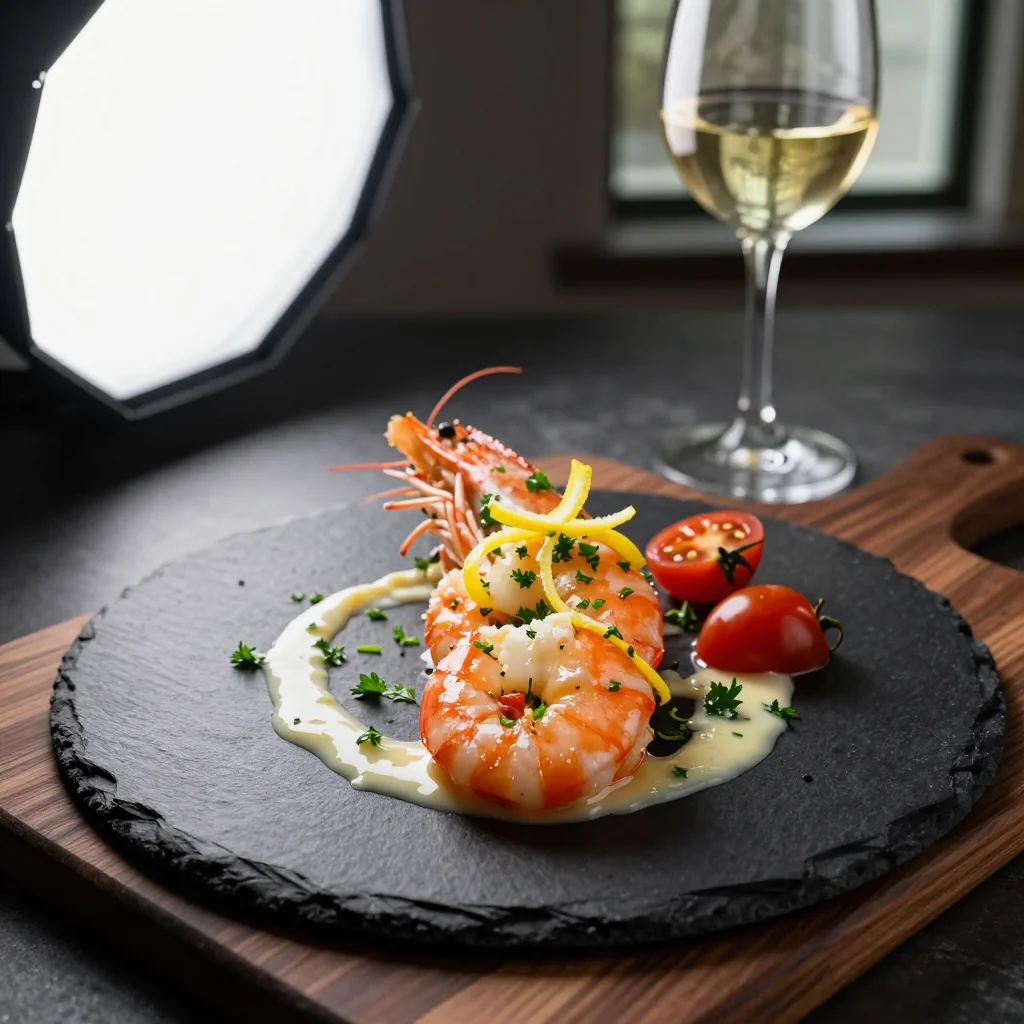
Chilled, cooked shrimp adds a protein punch and a delightful textural contrast. Their coolness keeps the soup refreshing, while the shrimp’s sweet flavor complements the coconut and lime. If you’re vegetarian, replace shrimp with firm tofu or tempeh for a plant‑based protein boost.
Chopped herbs—mint, basil, and a handful of cilantro—add a final burst of green that brightens the broth. They also contribute a fresh, herbal aroma that lingers on the palate. Skipping the herbs will make the soup feel slightly flat.
A drizzle of coconut milk at the end adds a luxurious finish that feels like a cloud of coconut foam. It gives the soup a silky, velvety texture that is irresistible. If you prefer a lighter finish, simply skip the drizzle.
Everything's prepped? Good. Let's get into the real action...

The Method — Step by Step
- Step 1: Prep the Base. In a blender, combine the peeled tomatoes, shallot, lemongrass paste, grated ginger, lime juice, zest, fish sauce, palm sugar, and chile paste. Pulse until the mixture is smooth but still has a few small pieces for texture. Taste the blend and adjust the seasoning, adding a bit more fish sauce or sugar if needed. This step ensures the flavors are well integrated before chilling. Keep the blender cover on to avoid splatters.
- Step 2: Chill the Broth. Pour the blended mixture into a large bowl and cover tightly with plastic wrap. Place the bowl in the refrigerator for at least 2 hours, allowing the flavors to meld and the broth to become intensely aromatic. The chill also helps the coconut milk to separate slightly, creating a smoother mouthfeel when added later. During this time, you can prep the shrimp and herbs. A well‑chilled base is key to a refreshing soup.
- Step 3: Cook the Shrimp. Bring a pot of salted water to a boil and add the chilled shrimp. Cook for 2 minutes, just until they turn pink and opaque. Drain immediately and rinse under cold water to stop the cooking process. This quick cook preserves the shrimp’s tender texture. Pat them dry with a paper towel before adding to the soup.
- Step 4: Add Coconut Milk. Stir in the half cup of coconut milk until fully incorporated. The coconut will thicken the broth slightly and give it a silky finish. Let the mixture sit for 5 minutes to allow the coconut milk to meld with the chilled base. The result is a creamy, tropical undertone that balances the acidity.
- Step 5: Assemble the Soup. Gently fold the cooked shrimp into the chilled broth. Add the chopped mint, basil, and cilantro. The herbs should be added last to preserve their bright flavor. Stir carefully to avoid breaking the shrimp.
- Step 6: Chill Again. Cover the soup and refrigerate for another 30 minutes to an hour. This final chill lets the flavors fully integrate and gives the soup a refreshing snap. If you’re in a hurry, serve immediately, but the soup will be even more vibrant after chilling.
- Step 7: Plate and Garnish. Ladle the chilled soup into bowls and drizzle a small amount of coconut milk on top for a creamy finish. Sprinkle extra mint, basil, and a few chili flakes for color and an extra kick. The garnish not only adds visual appeal but also enhances the aroma as you take the first bite.
- Step 8: Serve Immediately. Serve the soup cold, ideally with a side of toasted rice crackers or a light salad. The contrast between the crisp crackers and the silky soup creates a delightful textural experience. Enjoy the burst of flavors that dance across your palate.
- Step 9: Optional – Add a Splash. For an extra layer of brightness, squeeze a little fresh lime juice over the soup before serving. This final touch sharpens the flavors and adds a zesty finish. It’s a simple trick that elevates the dish to another level.
- Step 10: Enjoy and Share. Invite friends over and watch their reactions as they taste the first spoon. I dare you to taste this and not go back for seconds. The soup’s vibrant flavors and cool texture will keep them coming back for more.
That's it — you did it. But hold on, I've got a few more tricks that'll take this to another level...
Insider Tricks for Flawless Results
The Temperature Rule Nobody Follows
Keeping the soup cold is essential for a refreshing experience. Even a slight rise in temperature can cause the coconut milk to separate, leaving a gritty texture. I always double‑check the temperature with a kitchen thermometer before serving. If the broth is just a touch warmer, let it chill for an extra 15 minutes.
Why Your Nose Knows Best
Before you add the fish sauce, sniff the broth. If it smells overly fishy, reduce the amount slightly. The right balance of umami should be subtle, not overpowering. I’ve learned to trust my nose to guide me to that perfect point.
The 5‑Minute Rest That Changes Everything
After blending the base, let it sit for five minutes before chilling. This brief rest allows the flavors to mingle and the acidity to mellow. Skipping this step can leave the soup tasting sharp and underdeveloped.
Mind the Herbs
Herbs lose their potency quickly when exposed to heat. Add them after the soup has chilled to preserve their bright flavor. A friend once added basil at the start and the soup turned green and bland—lesson learned.
Use Fresh Lime, Not Canned
Fresh lime juice provides a bright, clean acidity that canned lime can’t match. It also carries essential oils that elevate the overall aroma. If fresh limes are out of season, use bottled lime juice sparingly and adjust the sweetness.
Keep It Simple
Don’t overcomplicate the recipe with too many additives. The beauty of this soup lies in its simplicity and the harmony of a few high‑quality ingredients. A minimalist approach ensures each component shines.
Creative Twists and Variations
Spicy Peanut Fusion
Swap the coconut milk for a splash of creamy peanut butter and add a teaspoon of sriracha. The nutty richness pairs with the heat, creating an unexpected but delightful twist. This version is perfect for peanut lovers and adds a protein boost.
Seafood Medley
Replace shrimp with a mix of scallops, mussels, and a few fish chunks. The briny flavors complement the lime and coconut, creating a sophisticated seafood soup. Serve with a side of crusty bread for a hearty meal.
Vegetarian Delight
Omit the shrimp and add diced tofu or tempeh for protein. The tofu will absorb the flavors beautifully, and the tofu’s neutral base allows the spices to shine. Sprinkle extra cilantro for an added herbal note.
Herb‑Infused Cream
Blend the coconut milk with a handful of fresh basil before adding to the soup. The basil‑infused coconut adds a green, aromatic layer that elevates the dish. This variation is ideal for herb enthusiasts.
Breakfast Boost
Serve the soup over a bowl of warm quinoa or millet for a nourishing breakfast. The protein and fiber keep you full until lunch, while the fresh flavors awaken your senses. Add a fried egg on top for an extra protein punch.
Low‑Calorie Version
Use coconut water instead of coconut milk for a lighter, lower‑fat option. The broth stays refreshing, and the flavor profile remains intact. This tweak makes the soup suitable for calorie‑conscious diners.
Storing and Bringing It Back to Life
Fridge Storage
Store the soup in an airtight container for up to 3 days in the refrigerator. The chilled broth will keep its bright flavors and silky texture. When ready to serve, give it a quick stir to redistribute the coconut milk.
Freezer Friendly
Freeze the soup in individual portions for up to 2 months. Thaw overnight in the refrigerator before serving. The flavors remain vibrant, and the texture stays silky, making it a convenient meal prep option.
Best Reheating Method
Reheat the soup gently over low heat, stirring constantly to avoid scorching. Add a splash of water or coconut milk to loosen the broth if it appears too thick. Keep the temperature below 70°C to preserve the delicate flavors.