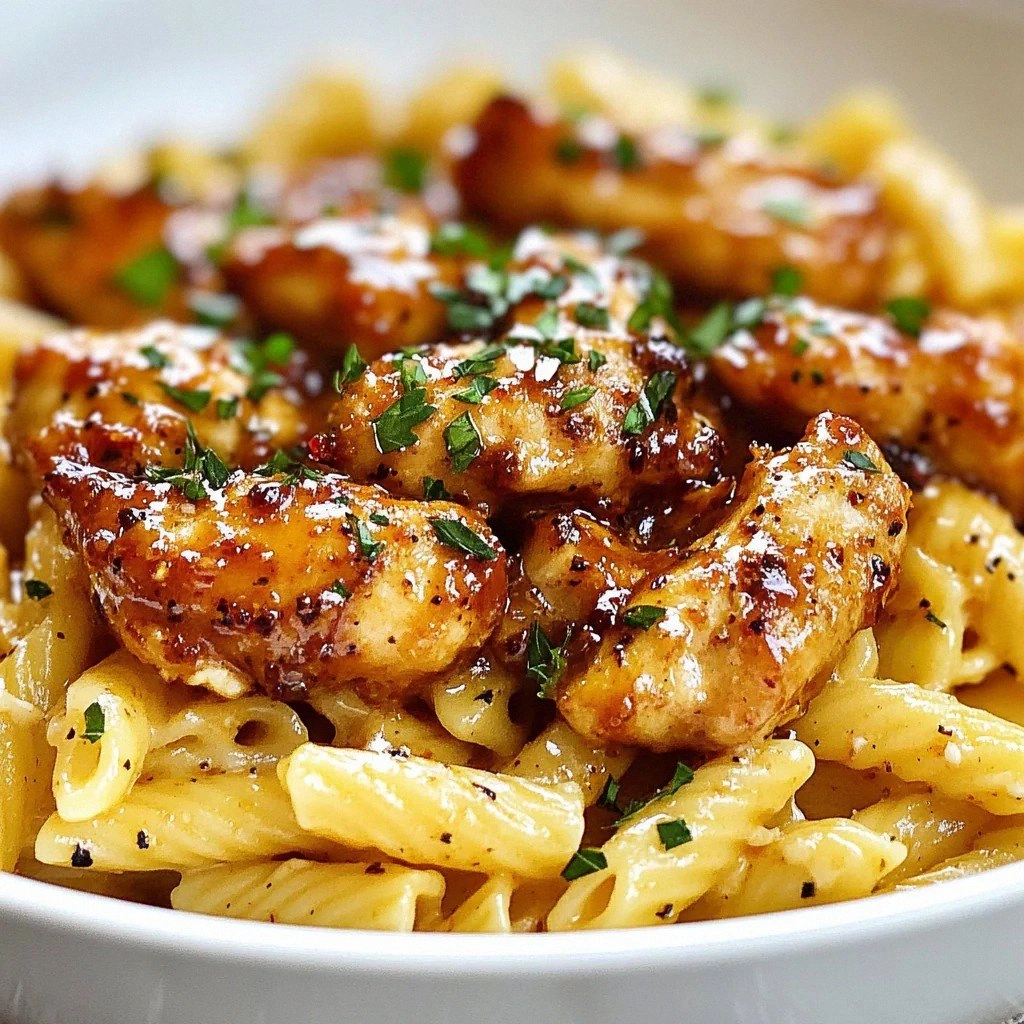
Picture this: I’m standing in a cramped kitchen, a half‑roasted chicken in the oven, and the scent of burnt sugar creeping up from the pan. My friend had dared me to create a dish that would make everyone at the table forget about that disaster. I stared at the clock, saw the minutes slipping away, and decided to turn that culinary mishap into a triumph. The result? A dish that marries the sweetness of honey with the bite of freshly cracked pepper, all wrapped around tender chicken and al dente pasta. I swear the aroma alone makes your mouth water before you even taste the first bite.
When you open the skillet, the sizzle is a drumbeat, the heat a steady rhythm that promises flavor. The honey glistens like liquid gold, catching the light with every swirl. The pepper, freshly ground, releases a sharp, almost citrusy note that cuts through the richness. The chicken, seared to a golden brown, holds a juicy center that melts in your mouth. And the pasta? It’s coated in a silky sauce that clings to each strand like velvet, ready to deliver a burst of sweet, spicy, savory harmony with every forkful.
What makes this version stand out from the countless honey‑pepper chicken recipes on the internet? It’s the balance of sweetness and heat, the crispness of the chicken’s edges, the freshness of the herbs, and the unexpected twist of a subtle citrus finish. I’ve spent years tweaking ratios, and this is the one that finally feels like a complete sensory experience. I dare you to taste this and not go back for seconds, because the first bite will set a new standard in your culinary memory.
The secret? A carefully measured honey‑pepper glaze that caramelizes without burning, a quick sear that locks in juices, and a finishing touch of lemon zest that lifts the entire dish. I’ll walk you through every single step, from the first stir to the final garnish, so by the end you’ll wonder how you ever made it any other way. And trust me, the kitchen will smell incredible, the table will look stunning, and the guests will ask for the recipe before you even finish the meal.
Let’s dive in. I’m going to share the exact ingredients, the precise technique, and the insider hacks that will turn this into a showstopper. Whether you’re a seasoned chef or a kitchen newbie, this recipe is designed to feel effortless yet impressive. So grab your apron, preheat that skillet, and let’s create the ultimate honey pepper chic.
What Makes This Version Stand Out
- Balance: The honey and pepper are perfectly matched, neither overpowering the other. This equilibrium ensures a harmonious flavor profile that satisfies both sweet and savory cravings.
- Crisp Texture: The chicken’s exterior achieves a caramelized crunch while the interior remains juicy, creating a delightful contrast with every bite.
- Freshness: Fresh herbs and a splash of lemon zest elevate the dish, giving it a bright, lively finish that feels like a breath of fresh air.
- Speed: The entire process takes under an hour, making it ideal for weeknight dinners without sacrificing quality.
- Versatility: Swap out pasta for rice or quinoa, and you’ve got a complete meal that adapts to dietary preferences.
- Visual Appeal: The golden glaze and vibrant herbs give the dish a professional, Instagram‑ready look.
Alright, let’s break down exactly what goes into this masterpiece…
Inside the Ingredient List
The Flavor Base
The foundation of this dish is a simple yet powerful combination of honey, soy sauce, and fresh garlic. Honey provides a natural sweetness that caramelizes beautifully, while soy sauce adds depth and umami. Garlic, when minced finely, releases aromatic oils that permeate the entire dish, creating a savory undertone that balances the sweetness.
If you skip the garlic, the sauce will taste flat and less complex. You can replace soy sauce with tamari for a gluten‑free version, but keep the salt level in check to avoid an overly salty finish. Choosing a high‑quality honey, preferably a local or artisanal variety, will add a subtle floral note that enhances the overall flavor.
The Texture Crew
Chicken thighs or breasts form the main protein. Thighs offer richer flavor and stay juicier, while breasts provide a leaner profile. Regardless of choice, cut the meat into bite‑size pieces to ensure even cooking and faster searing.
Pasta is the canvas that holds the sauce. Opt for a sturdy shape like penne or rigatoni, which cling to the glaze and distribute heat evenly. If you’re avoiding gluten, a high‑protein quinoa or rice noodle works well, though the texture will differ slightly.
The Unexpected Star
Freshly cracked pepper is the dish’s hero. Its sharp heat cuts through the sweetness, creating a dynamic flavor profile. The pepper’s aroma is also a key contributor to the dish’s overall sensory experience.
If you prefer a milder heat, use a pinch of smoked paprika or a dash of cayenne. For a spicier kick, add a sliced chili or a splash of sriracha. Remember, the pepper is the dish’s defining element; altering it changes the entire flavor narrative.
The Final Flourish
A squeeze of lemon zest brightens the sauce, adding a citrusy lift that counterbalances the honey’s richness. Fresh parsley or basil not only adds color but also introduces a herbal freshness that completes the dish.
If you’re vegan, replace the chicken with tofu or tempeh, and use a plant‑based sauce. The lemon zest and herbs remain essential for that bright finish. Always taste as you go; the key is achieving a balance between sweet, spicy, savory, and fresh.
Everything’s prepped? Good. Let’s get into the real action…
The Method — Step by Step
- Prep the Ingredients: While the chicken rests, heat a large skillet over medium‑high heat. Add a splash of olive oil and let it shimmer. This pre‑heat stage is critical; a hot pan ensures a quick sear and prevents the chicken from sticking.
- Sear the Chicken: Place the chicken pieces in the skillet in a single layer, making sure they’re not crowded. Let them sear for 3–4 minutes on each side until a golden crust forms. Watch the edges; when they start pulling away from the pan, you know they’re ready to flip.
- Set the Chicken Aside: Once seared, transfer the chicken to a plate and tent with foil. This keeps the heat trapped and allows the meat to rest, preserving juices.
- Cook the Pasta: In a large pot, bring salted water to a boil. Add the pasta and cook until al dente, about 8–10 minutes. Reserve a cup of pasta water before draining; it’s a lifesaver for sauce consistency.
- Make the Glaze: In the same skillet, reduce heat to medium. Add minced garlic and sauté until fragrant, about 30 seconds. Then pour in honey, soy sauce, and a splash of water to thin the mixture slightly.
- Simmer: Let the glaze simmer for 2 minutes, allowing the honey to caramelize and the flavors to meld. Stir frequently to prevent sticking. The sauce should thicken to a syrupy consistency.
- Combine Chicken and Pasta: Return the chicken to the skillet. Add the cooked pasta and toss everything together, ensuring each piece is coated in the glossy glaze. If the sauce is too thick, add a bit of reserved pasta water to loosen it.
- Finish with Pepper and Lemon: Sprinkle freshly cracked pepper over the dish, then add lemon zest and a handful of chopped parsley. Toss again, letting the pepper’s aroma infuse the entire plate.
- Plate and Serve: Transfer the dish to a serving platter, drizzle any remaining glaze, and garnish with extra parsley. Serve immediately while the sauce is still glossy and the chicken is hot.
- Enjoy: Take a bite and let the sweet, spicy, savory, and fresh flavors dance on your palate. This is pure magic in a bowl.
That’s it — you did it. But hold on, I've got a few more tricks that'll take this to another level…
Insider Tricks for Flawless Results
The Temperature Rule Nobody Follows
Many cooks overheat the skillet, leading to uneven searing and burnt glaze. The secret is a medium‑high heat that allows the chicken to brown quickly without scorching the honey. Test the pan by dropping a tiny splash of water; if it dances and evaporates instantly, the heat is perfect.
Why Your Nose Knows Best
Smell is a powerful indicator of doneness. When the honey caramelizes, it should emit a nutty, toasted aroma. If you detect a burnt scent, lower the heat immediately. Trust your nose; it’s the most reliable guide in the kitchen.
The 5-Minute Rest That Changes Everything
After searing the chicken, let it rest for five minutes before adding it back to the pan. This brief pause allows juices to redistribute, ensuring each bite is succulent. A friend once skipped this step and ended up with dry, overcooked chicken—lesson learned.
Use a Cast‑Iron Skillet for Even Heat
Cast iron retains heat exceptionally well, providing a consistent sear across the entire surface. This eliminates hot spots that can cause uneven cooking or burning. If you don’t have cast iron, a heavy‑bottomed stainless steel pan works as a close second.
Add a Splash of Pasta Water to the Sauce
Reserve a cup of the starchy pasta water before draining. Adding a small amount to the glaze during the final toss helps bind the sauce to the pasta, creating a silky, cohesive coating. The starch also helps the sauce cling better to the chicken pieces.
Finish with Fresh Herbs for Brightness
Chopped parsley or basil not only adds color but also provides a burst of freshness that cuts through the honey’s richness. Sprinkle them just before serving to preserve their vibrant aroma. A pinch of dried oregano can also add a subtle depth if you prefer.
Creative Twists and Variations
This recipe is a playground. Here are some of my favorite ways to switch things up:
Spicy Sriracha Kick
Replace half the honey with a tablespoon of sriracha for an extra punch. The sauce will become tangy, spicy, and irresistibly sweet. This version is perfect for those who love a heat that lingers.
Creamy Coconut Twist
Add half a cup of coconut milk to the glaze for a silky, tropical flavor. The coconut balances the honey’s sweetness and gives the sauce a velvety texture. Serve over jasmine rice for a complete Thai‑inspired meal.
Vegetarian Tofu Version
Replace chicken with cubed tofu. Sear the tofu until golden before adding the glaze. The tofu absorbs the sauce beautifully, creating a hearty, plant‑based dish that still delivers on flavor.
Pesto Fusion
Stir in a couple of tablespoons of basil pesto after adding the pasta. The pesto adds a herbal depth that complements the honey‑pepper glaze. This variation works well with whole‑grain pasta for extra nutrition.
Mediterranean Lemon Chicken
Replace the honey with a mix of honey and a splash of balsamic vinegar. Add a handful of capers and olives for a briny finish. This version brings a Mediterranean flair to the classic honey‑pepper concept.
Gluten‑Free Grain Bowl
Swap pasta for quinoa or farro. Toss the grains with the glaze and top with roasted vegetables for a wholesome bowl. The grains’ nutty flavor pairs wonderfully with the sweet‑spicy sauce.
Storing and Bringing It Back to Life
Fridge Storage
Store leftovers in an airtight container in the refrigerator for up to 3 days. The sauce will thicken slightly; a splash of water or broth will rehydrate it when reheating.
Freezer Friendly
You can freeze the dish for up to 2 months. Separate the chicken and pasta before freezing to maintain texture. Reheat in the oven at 350°F until warmed through.
Best Reheating Method
Reheat in a skillet over low heat, adding a tiny splash of water to keep the sauce from drying out. Stir frequently until the dish is hot and glossy again. The key is gentle heat to preserve the sauce’s silky texture.